Expert Root Canal San Diego | Your Guide to Pain-Free Treatment
Hearing the words “root canal” might make you nervous, but this common procedure is actually the hero that ends severe tooth pain, not the villain that causes it. For countless people here in San Diego, a root canal is the most effective way to save a natural tooth from infection, relieve debilitating pain, and restore peace to your mouth.
When Is a Root Canal the Right Choice?
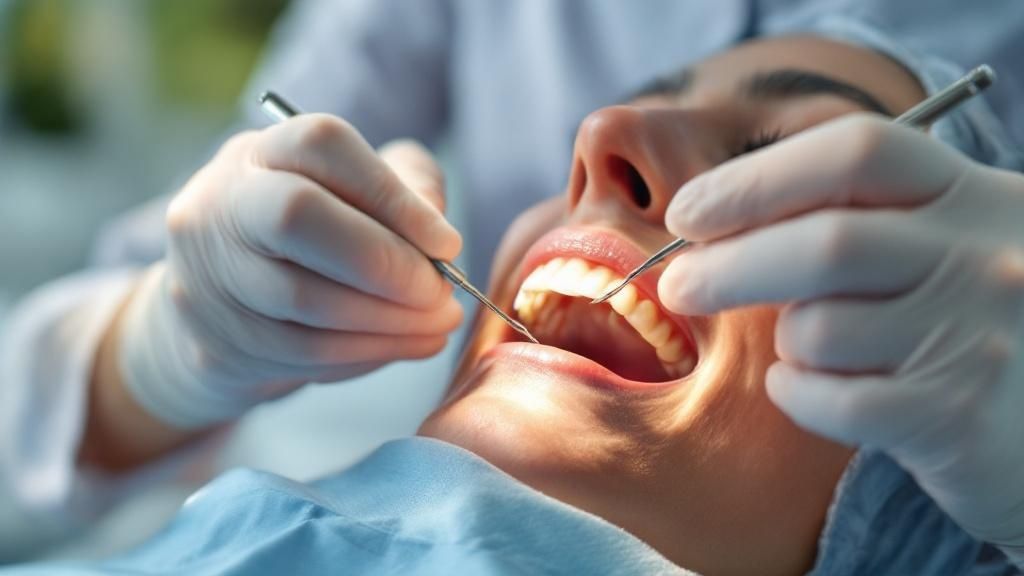
Let’s clear the air: people associate root canals with pain, but the procedure itself is designed to relieve the agony of a deep tooth infection. Think of that throbbing tooth as a fire alarm that won’t stop blaring. The root canal is the specialist who calmly disables the alarm, fixes the source of the problem, and brings quiet and comfort back to your life.
At its core, the goal of this treatment is to save your natural tooth. When the soft tissue inside your tooth—the pulp—becomes inflamed or infected due to deep decay, a crack, or trauma, a root canal is often the only thing standing between you and an extraction. You can dig deeper into that choice in our guide comparing a root canal vs. an extraction.
Signs You May Need a Root Canal
Your body is excellent at signaling when a tooth is in serious trouble. Ignoring these warnings can lead to more significant problems, like a painful abscess or even tooth loss. Here are the key symptoms San Diegans should never ignore:
- Persistent, Throbbing Toothache: This isn’t a minor ache that comes and goes. It’s a deep, relentless pain that can disrupt your sleep and daily activities.
- Extreme Sensitivity to Hot or Cold: A sharp, lingering pain when you drink something hot or cold is a classic red flag that the nerve inside your tooth is damaged.
- Swollen or Tender Gums: If the gums near the painful tooth are puffy, or if you notice a small, pimple-like bump (an abscess), it’s a definite sign of infection.
- Tooth Discoloration: An infected tooth can begin to darken, turning a grayish or blackish color as the pulp inside dies.
The Success of Modern Treatment
The good news is that modern root canals are incredibly reliable. The treatment has a very high success rate, reported to be between 86% and 98%, which lines up with national averages. These procedures save millions of teeth every year by removing the damaged pulp and eliminating harmful bacteria.
For a great breakdown of the whole process, this guide on What Is Root Canal Treatment and Why Do I Need One? is really helpful. We usually recommend this treatment for teeth that have been weakened by severe decay, cracks, or multiple dental procedures over time.
Demystifying The Modern Root Canal Procedure
Let’s put the old stories to rest: the horror tales you’ve heard about root canals are likely decades out of date. Today’s procedure is a precise, controlled treatment designed to do one thing—end your pain and save your natural tooth. It’s far more comfortable and straightforward than its reputation suggests, thanks to modern techniques we use right here in San Diego.
A great way to think about a root canal is like restoring a valuable piece of architecture. You wouldn’t demolish it because of some internal damage. Instead, you would carefully preserve the structure while meticulously cleaning out whatever is causing the issue. It’s a restorative treatment, not a destructive one.
The Step-by-Step Process
Your comfort is our top priority from the moment you sit in the chair. The entire process is broken down into a few clear stages.
- Ensuring Your Comfort: First things first, we completely numb the area around the tooth with local anesthesia. You won’t feel any pain during the procedure, just some light pressure or movement. We prioritize making this a stress-free experience.
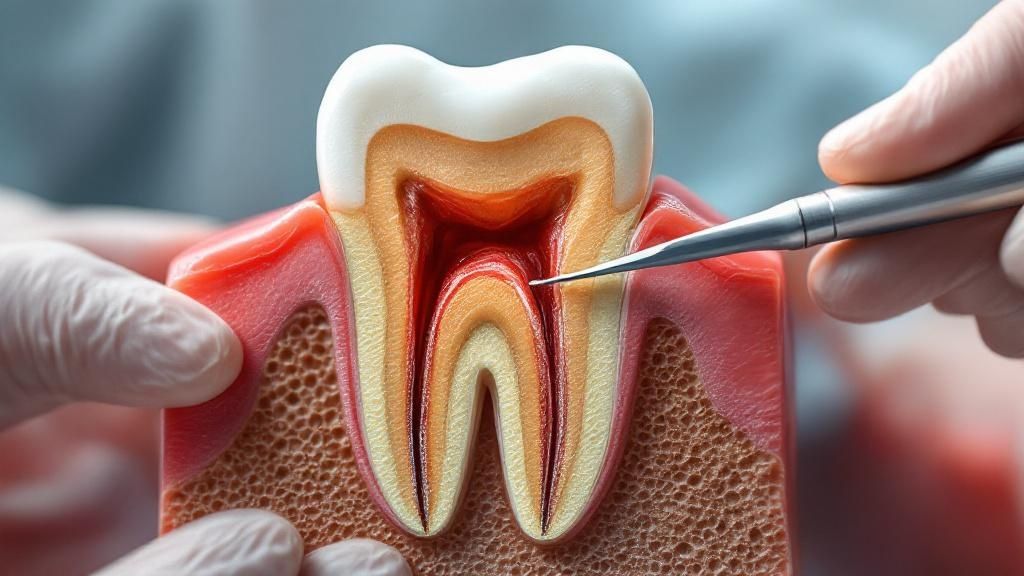
- Creating Access: Next, a tiny, precise opening is made in the top of the tooth. This gives us a direct pathway to the infected or inflamed pulp chamber hidden inside.
- Thorough Cleaning: Using highly specialized, delicate instruments, we carefully remove the damaged pulp from inside the tooth and its root canals. The chamber is then cleaned, shaped, and disinfected to eliminate all bacteria.
- Filling and Sealing: Once the canals are perfectly clean and dry, they’re filled with a biocompatible material called gutta-percha. This rubber-like substance seals the canals to prevent any future infection. We’ll then place a temporary filling to close the opening.
- Final Restoration: After a short healing period, you’ll return to have a permanent dental crown placed. This crown acts like a helmet, protecting the tooth and restoring its full strength and function for years to come.
This visual shows how symptoms can progress, highlighting why treatment becomes so important.
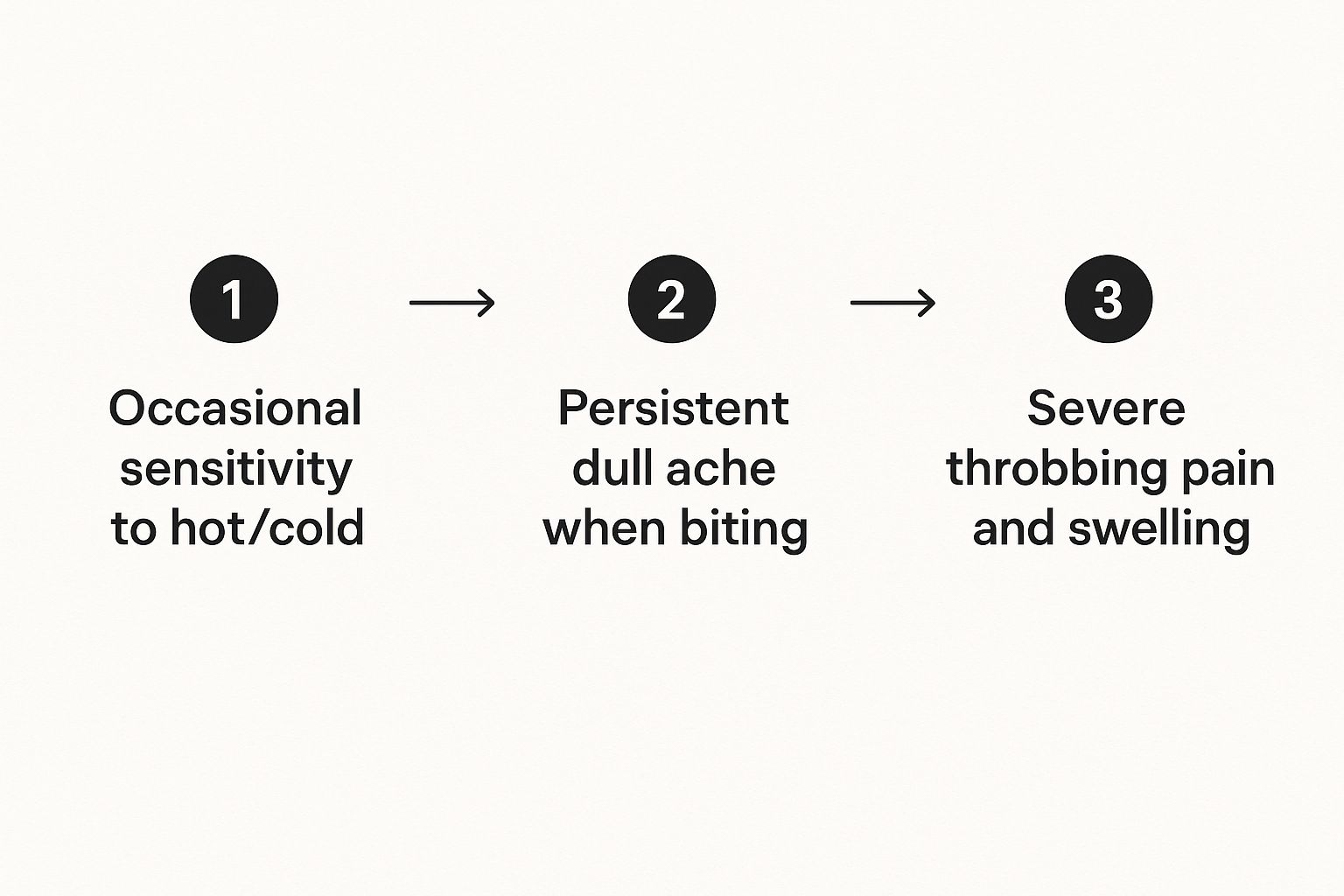
As you can see, what starts as minor sensitivity can escalate into severe pain. A root canal is the crucial step that stops the damage and saves the tooth.
Technology and Comfort in San Diego
San Diego dental practices have access to advanced tools that make the procedure remarkably efficient and comfortable. For example, we use dental microscopes to get a magnified view of the treatment area, allowing for incredible precision when cleaning out those tiny canals. This not only boosts the success rate but also shortens your time in the chair.
It’s a common procedure for a reason. Over 41,000 root canals are performed every single day across the United States, underscoring just how vital they are in modern dental care. Here in San Diego, we pair modern anesthesia with refined techniques to minimize any discomfort, and most cases are finished in just one or two appointments.
You can learn more about how we make this process smooth and comfortable by reading about our root canal treatment options.
Key Takeaway: The modern root canal procedure is a complete myth-buster. It’s not the source of pain—it’s the solution to it. This is a highly successful treatment that saves your natural tooth with minimal fuss and discomfort.
Understanding the Cost of a Root Canal in San Diego
Let’s be open about it: discussing the cost of dental procedures can be stressful. When it comes to a root canal in San Diego, you’re not looking at one fixed fee. Instead, the final price is determined by several key factors, and understanding them beforehand can make the entire process feel much more manageable.
Think of it this way: not all teeth are the same. The single biggest factor influencing the cost is which tooth needs saving. A front tooth is relatively simple with its single root. But a molar? That’s a completely different situation. Molars have multiple roots and complex canal systems, which means the procedure requires more time, skill, and specialized tools to complete successfully.
Key Factors That Determine Price
The price isn’t just for the procedure itself; it’s an investment in the expertise, technology, and materials needed to save your natural tooth for years to come.
Here’s a quick breakdown of what goes into the final cost:
- Tooth Complexity: As we mentioned, front teeth are the simplest to treat. Premolars (the teeth between your canines and molars) are moderately complex. Molars are the most complex, requiring the most work and therefore costing more.
- Dentist vs. Endodontist: While a general dentist is perfectly capable of handling many root canals, they might refer you to an endodontist—a root canal specialist—for trickier cases. These specialists have advanced training and equipment, which can influence the cost.
- The Dental Crown: A root canal isn’t truly complete until the tooth is protected. A dental crown acts like a protective cap, restoring the tooth’s strength and preventing future fractures. This is a separate but essential cost to factor into your total treatment plan.
The cost of a root canal often varies based on which tooth is being treated. Front teeth are typically the most affordable, while molars are the most expensive due to their complex root structures. Here’s a general idea of what to expect in San Diego, not including the cost of the final crown.
Estimated Root Canal Cost in San Diego by Tooth Type (Without Insurance)
| Tooth Type | Average Complexity | Estimated Cost Range |
|---|---|---|
| Front Tooth (Anterior) | Low (Usually 1 canal) | $600 – $1,100 |
| Bicuspid (Premolar) | Medium (1-2 canals) | $700 – $1,300 |
| Molar | High (3+ canals) | $900 – $1,600 |
Keep in mind these are just estimates. The final price can be affected by the specific challenges of your case and whether you see a general dentist or a specialist.
Navigating Insurance and Payment Options
The great news is that dental insurance can significantly reduce your out-of-pocket costs. Most PPO plans cover a portion of root canal therapy because it is a medically necessary procedure to eliminate infection and save a tooth. We recommend reviewing your plan to understand your deductible, annual maximum, and coinsurance percentage for major restorative work. At Serena San Diego Dentist, we accept most major insurance plans and are happy to help you understand your coverage.
In San Diego, the cost of root canal therapy varies significantly, ranging from approximately $600 to $1,600 per procedure without insurance coverage. The final price depends on the tooth affected and treatment complexity. Additionally, the necessary dental crown can range from $600 to $2,000, depending on the material. Discover more insights about San Diego root canal costs.
What if you don’t have insurance, or your plan leaves a significant balance? Don’t worry. Many San Diego dental offices, including ours, offer flexible ways to pay. We provide out-of-pocket payment options and financing plans that allow you to break down the total cost into smaller, predictable monthly payments. Our goal is to ensure you can get the care you need now without financial stress.
Your Recovery and Long-Term Tooth Care
Once the root canal is done, the focus shifts to a smooth recovery and keeping your restored tooth healthy for the long haul. The great news? Post-procedure care is pretty straightforward, and with just a little attention, that tooth can last a lifetime.
It’s completely normal to feel some mild sensitivity or tenderness for the first 24-48 hours. Think of it like the feeling after a deep filling—it’s just your body’s natural healing response. Any discomfort can usually be managed with over-the-counter pain relievers like ibuprofen.
Following Aftercare Instructions
Your dentist will provide specific instructions tailored to your situation, and following them is key to a successful recovery. The most important thing to do right away is to protect the treated tooth.
- Avoid Chewing on the Treated Side: Until your permanent crown is placed, the tooth is a bit fragile. Stick to softer foods and chew on the other side of your mouth.
- Be Gentle with Oral Hygiene: You can brush and floss as you normally would, but be gentle around the treated area to avoid irritating the gums.
- Watch for Unusual Symptoms: Mild sensitivity is expected, but please give your San Diego dentist a call if you experience severe pain, swelling, or any signs of an allergic reaction to medication.
Key Insight: Think of this initial recovery period as a crucial healing phase. The temporary filling is like a bandage protecting the area, but the real armor—the dental crown—is still to come. Protecting the tooth now ensures it’s ready for its permanent restoration.
The Importance of the Dental Crown
I get this question all the time: “Is a dental crown really necessary after a root canal?” The answer is a resounding yes. The root canal procedure saves the tooth by removing the infected pulp, but it also removes the tooth’s internal hydration source, making it more brittle over time.
A dental crown acts as a protective shield. It absorbs the powerful forces from biting and chewing, preventing the treated tooth from fracturing. Without this final step, your tooth is vulnerable to damage that could lead to an extraction—the very outcome the root canal was meant to prevent. It’s the essential final piece to make your root canal San Diego treatment a permanent success.
Protecting this investment comes down to great oral hygiene. That means regular brushing, flossing, and not skipping your routine checkups. Consistent care, including scheduling regular appointments for a professional dental cleaning, will keep your restored tooth and the surrounding gums healthy for many years.
How to Find the Right Specialist in San Diego
Choosing the right professional is the single most important decision you’ll make for a successful root canal in San Diego. This isn’t just about finding someone to perform a procedure—it’s about finding a compassionate partner in your oral health. Making a confident choice empowers you to move forward with peace of mind.
First, it helps to understand the difference between a general dentist and an endodontist. While many skilled general dentists perform root canals, an endodontist is a certified root canal specialist. They have completed years of additional training focused exclusively on diagnosing tooth pain and performing complex procedures inside the tooth.
When to See a Specialist
So, when should you see a specialist? Think of it this way: your family doctor can easily treat a common cold, but for a complex heart condition, you would want a cardiologist. The same logic applies to dental care.
You should definitely consider an endodontist if:
- You have a complex molar: Molars often have multiple tiny, curved canals that require specialized tools and an experienced touch to clean thoroughly.
- It’s a re-treatment: If a previous root canal has failed, an endodontist has the advanced skills and diagnostic tools to identify the problem and correct it.
- Your case has complications: Issues like a calcified (blocked) canal or unusual tooth anatomy are routine for a specialist but can be a major challenge for a general dentist.
Your Checklist for Vetting Providers
Finding the right fit in San Diego takes a little research. Use this quick checklist to vet potential providers and narrow down your options:
- Extensive Experience: Look for a dentist or endodontist who performs root canals regularly, not just occasionally. Repetition builds precision and efficiency.
- Glowing Patient Reviews: Dive into online reviews to see what other patients are saying. Pay close attention to comments about their comfort level, the team’s communication, and the final results.
- Modern Technology: Does the office use modern tools like dental microscopes and digital X-rays? This technology isn’t just for show—it dramatically improves accuracy and enhances the patient experience.
A consultation is more than just an appointment; it’s a fact-finding mission. This is your chance to see if the office environment feels welcoming and if the team listens empathetically to your concerns. Your comfort and trust are paramount.
The Consultation is Key
Never underestimate the power of an initial consultation. This is your opportunity to ask direct questions about their approach to treatment and, importantly, pain management. Do you feel heard? Does the dentist explain things in a way you can easily understand?
This first meeting is the best way to determine if the practice is the right one for you. While these specialists are experts at saving teeth, the best clinics also have deep expertise in the restorative work that follows, like high-quality crowns. You can learn more about how a beautiful crown completes the process by reading about cosmetic dentistry services.
Your confidence in your chosen specialist will make the entire experience smoother and far less stressful.
Common Root Canal Questions Answered

Even after you understand the basics, it’s completely normal to have some lingering questions. When you’re considering a root canal in San Diego, you deserve clear, honest answers that put your mind at ease. We’re going to tackle the most common concerns we hear from patients every day, busting a few myths along the way.
Think of this as your quick-reference guide. We’ve gathered the top questions and provided straightforward answers to help you feel informed and confident about a procedure designed to get you back to feeling great.
Does a Root Canal Hurt?
Let’s address this head-on, because it’s the number one myth we need to bust. Thanks to modern anesthetics and refined techniques, a root canal shouldn’t feel any more uncomfortable than a routine filling. The entire point of the procedure is to relieve the awful pain caused by a deep tooth infection—not to create more.
Before we even begin, the area is completely numbed. You won’t feel any pain during the treatment, just some light pressure and maybe the vibration of the instruments. Any soreness you feel afterward is usually mild and easily managed with over-the-counter pain relievers like ibuprofen. The real pain is the infection itself; the root canal is the solution.
How Long Does The Procedure Take?
The duration of a root canal can vary, but most treatments here in San Diego are completed efficiently. You can generally expect to be finished in one or two visits.
A typical appointment lasts between 60 and 90 minutes. A few factors can affect the timeline:
- Tooth Location: Front teeth usually have a single, straight canal, making them quicker to treat than molars.
- Complexity: A molar with multiple tiny, curved canals will require more time and precision.
- Severity of Infection: In some cases, we might schedule a second visit to ensure the infection is completely gone before we permanently seal the tooth.
Is a Crown After a Root Canal Really Necessary?
Yes, in almost every case, a dental crown is an absolutely essential final step. After a root canal, the tooth is no longer “alive”—its internal nerve and blood supply have been removed. This makes the tooth structure more brittle over time, leaving it vulnerable to cracking.
A dental crown acts like a protective helmet. It restores the tooth’s strength, absorbs biting forces, and seals the tooth from future bacterial invasion, ensuring its long-term survival. Skipping the crown puts your investment at risk.
Think of it this way: the root canal saves the tooth from infection, and the crown saves it from physical damage. It’s the combination of both that gives you a successful, lasting result.
What Happens If I Do Not Get a Root Canal?
Putting off a recommended root canal isn’t a passive choice; it’s an active decision that allows a serious infection to worsen. Unfortunately, this type of problem will not resolve on its own.
If left untreated, the infection will deepen, leading to severe, constant pain, the formation of a painful abscess, and even bone loss in your jaw. The infection can also spread to other parts of your body, creating a risk to your overall health.
Ultimately, the only other option for an infected tooth is extraction. But removing a natural tooth creates a gap, causing nearby teeth to shift and disrupting your bite. Replacing that missing tooth with a dental implant or a bridge is often a much more expensive and complicated process than simply saving the tooth you already have. At the end of the day, saving your natural tooth is almost always the best, healthiest, and most cost-effective choice.
At Serena San Diego Dentist, we are committed to providing comfortable, effective root canal therapy to save your natural smile. We understand you may have concerns, and our compassionate team is here to provide the relief you need with a gentle touch. If you are experiencing tooth pain, don’t wait. Schedule your consultation today and let our expert team help you.