Expert TMJ Treatment San Diego | Relieve Jaw Pain Today
If you’re dealing with a jaw that clicks, pops, or just plain hurts, you’re not alone. That nagging pain, sometimes coupled with mysterious headaches, is often the unwelcome sign of a Temporomandibular Joint (TMJ) disorder. The good news? Finding effective TMJ treatment in San Diego is easier than you might think, and it’s all about getting your quality of life back—not just putting a band-aid on the pain.
Your Roadmap to Jaw Pain Relief
Think of your Temporomandibular Joint as one of the most complex joints in your body—a finely tuned hinge that connects your jaw to your skull. When something throws it off balance, whether it’s an injury, stress, or a misaligned bite, the effects can ripple outward. Many people live with this for years, blaming chronic headaches or neck tension on other causes, never realizing their jaw is the culprit.
This guide is designed to cut through the confusing medical terms and give you a clear roadmap. We’ll walk you through everything from figuring out your symptoms to exploring the advanced, non-surgical treatments available right here in San Diego. Our goal is to give you the knowledge you need to take that first, crucial step toward feeling better for good.
What Exactly Is a TMJ Disorder?
A TMJ disorder, or TMD, isn’t just one single problem. It’s really a catch-all term for a group of issues that mess with the jaw joint and the muscles controlling it. An estimated 10 million Americans are dealing with these disorders, which can pop up for all sorts of reasons. Getting to the root cause is the first real step toward finding a solution that works.
Some of the most common triggers include:
- Bruxism: This is the technical term for chronic teeth grinding or clenching. It often happens while you sleep, putting a tremendous amount of force on your jaw joints.
- Arthritis: Just like in other joints, degenerative diseases like osteoarthritis can break down the cartilage inside the TMJ, causing pain and stiffness.
- Jaw Injury: A fall or a direct hit to the face can knock the joint out of place or damage its delicate parts.
- Stress: Never underestimate the power of stress. When you’re tense, you often tighten your jaw muscles without even realizing it, making any existing TMJ issues much worse.
Why Sticking to a San Diego Specialist Matters
When it comes to TMJ, seeking specialized care in your own community is a game-changer. A local expert in TMJ treatment in San Diego not only understands the unique lifestyle factors here but also provides convenient, ongoing support. Instead of a one-size-fits-all approach, a dedicated specialist will dig deep with a thorough diagnosis to find the real source of your pain.
Modern TMJ therapy isn’t about just chasing symptoms. It’s about restoring balance to the entire system—the muscles, nerves, and joints. The real goal is to correct the underlying problem for long-term comfort and function.
This is what makes the treatment so effective. Your plan is built just for you. It could involve a custom-fit oral appliance that gently guides your bite into a better position or therapies designed to relax those overworked jaw muscles. The whole point is to bring harmony back to your jaw system, which ultimately boosts your overall well-being.
Recognizing the Symptoms of a TMJ Disorder
Is that nagging jaw soreness you feel just a minor annoyance, or could it be a clue to something bigger? Temporomandibular Joint (TMJ) disorders are notorious for creating a confusing mix of symptoms that go way beyond simple jaw pain, which is why they’re so tough to diagnose on your own. It can feel like a random collection of unrelated problems, but often, they all trace back to one single source: a jaw joint that isn’t working right.
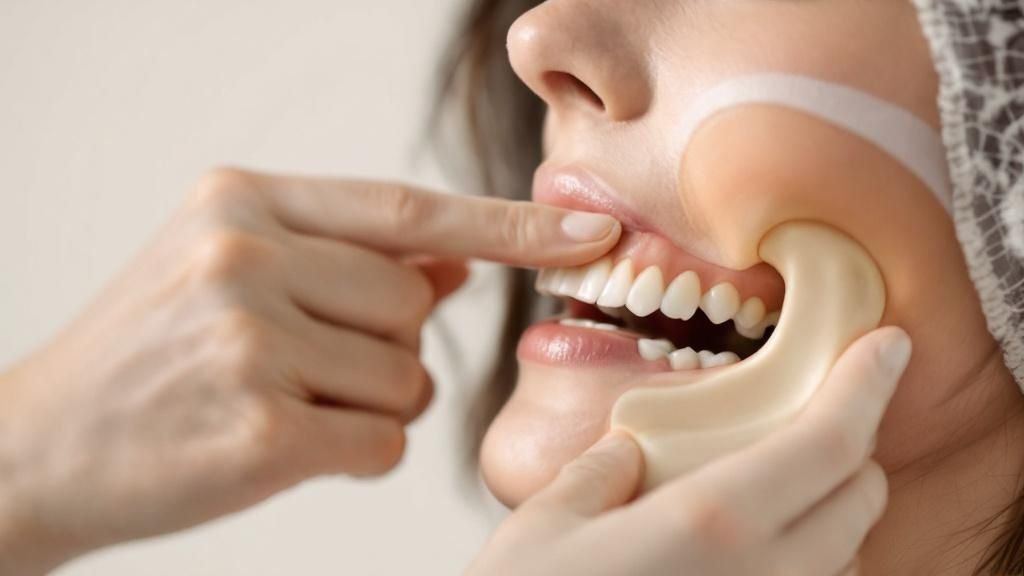
Think of your jaw as the hub of a complex network. When the TMJ is out of alignment or under strain, it can tug on nearby muscles and irritate nerves, sending pain signals to other parts of your head and neck. Understanding this connection is the first real step toward finding effective TMJ treatment in San Diego.
Common and Not-So-Common Signs
While the most obvious signs are right there in your jaw, it’s often the less apparent symptoms that cause the most confusion and keep people suffering for years. It’s surprisingly common for someone to live with these issues without ever connecting the dots back to their jaw health.
Here are the main symptoms to look out for:
- Pain or Tenderness: You might feel discomfort in your jaw, the muscles you use for chewing, or right around your ear when you eat, talk, or open your mouth wide.
- Audible Jaw Sounds: A distinct clicking, popping, or even a grating sound when you open or close your mouth is a classic sign. It might not hurt, but it’s a definite red flag. We dive deeper into this in our guide on why your jaw pops when you open your mouth.
- Locking of the Joint: This is when your jaw gets stuck or “locks,” making it hard to open or close your mouth all the way.
On top of these, many TMJ issues are closely tied to habits like clenching or grinding. If you’re interested, learning more about what causes teeth grinding (bruxism) and how to stop it can offer some valuable insights.
Common TMJ Disorder Symptoms Checklist
It can be tough to keep track of symptoms that seem so disconnected. Use this checklist to get a clearer picture of what you’re experiencing before you talk to a professional here in San Diego.
| Symptom Category | Specific Signs to Watch For |
|---|---|
| Direct Jaw Symptoms | Pain or soreness in the jaw joint, clicking or popping sounds, jaw locking open or closed, difficulty chewing. |
| Head and Face Pain | Chronic headaches (especially near temples), migraine-like pain, a tired or achy feeling in your face, unexplained facial swelling. |
| Ear-Related Issues | Aching in or around the ear, ringing in the ears (tinnitus), a sensation of fullness or pressure, dizziness or vertigo. |
| Neck and Body Pain | Unexplained stiffness or pain in the neck and shoulders, upper back pain. |
| Dental Problems | Worn-down or sensitive teeth, frequent toothaches, clenching or grinding habits (bruxism). |
If you find yourself checking off boxes in multiple categories, it’s a strong indicator that your TMJ could be the root cause.
Referred Pain and Secondary Symptoms
Because the TMJ is so deeply connected with the anatomy of your face and neck, symptoms often show up in places you’d least expect. This “referred pain” is one of the classic calling cards of a chronic TMJ disorder.
Don’t just write off those persistent headaches or earaches as separate issues. A jaw that’s out of balance can trigger a domino effect of pain and inflammation that ripples through your entire upper body.
These secondary symptoms can easily be mistaken for other problems:
- Chronic Headaches: Nagging headaches that feel like tension headaches or even migraines, often starting near your temples.
- Ear-Related Issues: A dull ache deep inside or around your ear, ringing sounds (tinnitus), or a plugged-up feeling that won’t go away.
- Neck and Shoulder Pain: That stubborn stiffness or pain in your neck and shoulders that never seems to get better could be muscle strain radiating from your jaw.
- Facial Discomfort: A general achiness or tired feeling in your face, sometimes described as facial pain or even slight swelling.
Recognizing this wide range of symptoms is key. If you’re dealing with a mix of these signs, it’s probably time to stop guessing and get a proper diagnosis from a professional.
Why You Need a TMJ Specialist
If you’re dealing with TMJ pain, you know it’s more than just a simple toothache. Treating it properly goes way beyond what general dentistry usually covers. The jaw joint is one of the most complex in the entire body—a sophisticated hub where a dense network of muscles, nerves, and ligaments all come together.
When this intricate system gets thrown out of whack, the ripple effects can be huge. It can impact everything from your ability to enjoy a meal to your quality of sleep.

This is precisely why finding a dedicated specialist is the key to getting real, lasting relief. Unlike a general dentist, a TMJ specialist lives and breathes orofacial pain and related conditions. They bring a much deeper level of understanding to the table, both in diagnosing and treating your issue.
The Specialist’s Advantage
A specialist’s way of thinking is fundamentally different from a generalist’s. They aren’t just trying to mask the symptoms; they’re on the hunt for the root cause of your discomfort. This requires a diagnostic process that looks at the entire system, not just one part of it.
Think of it like this: a general mechanic is great for an oil change, but if your car has a tricky electrical problem, you go to an auto electrician. The same logic applies here. Your TMJ disorder is a specific, complex issue that will benefit immensely from focused, expert care.
These specialists use advanced diagnostic tools to get a crystal-clear picture of what’s happening inside your jaw. This allows them to build a personalized treatment plan from the ground up, rather than just handing you a generic, one-size-fits-all mouthguard. Just as finding the right TMJ expert is critical, knowing how to choose a trusted dentist for your everyday oral health is also a vital step.
A TMJ specialist’s main goal is to get your jaw functioning in a healthy, pain-free way again. This usually means starting with non-surgical methods designed to work with your body to bring harmony back to your jaw system.
A Focus on Non-Surgical Solutions
The world of TMJ treatment has come a long way, with a strong emphasis now on gentle and effective non-surgical therapies. For instance, a specialist can design a custom oral appliance that does much more than just stop you from grinding your teeth. It can actually guide your jaw into a more stable and comfortable position, giving those strained muscles a chance to relax.
Other therapies might focus on releasing tension in the surrounding muscles—a huge factor in many TMJ cases. If you want to dive deeper into this connection, check out our guide on the causes of jaw clenching and tips to relieve it.
This kind of dedicated expertise is what sets specialists apart. By choosing an expert, you’re not just getting a temporary fix. You’re investing in a long-term plan for your well-being and a return to normal, pain-free function.
Exploring Advanced Non-Surgical TMJ Treatments
When it comes to TMJ care, we’ve come a long way from the simple mouthguards of the past. For anyone looking for effective TMJ treatment in San Diego, specialists now have an incredible range of non-invasive therapies. These newer approaches are designed to work with your body’s natural ability to heal, aiming for true joint restoration instead of just masking the symptoms.
The goal here is to reduce inflammation, repair damaged tissue, and bring back proper joint function—all without surgery. By getting to the root cause of the pain, these treatments can offer lasting relief and get you moving comfortably again.
Harnessing Your Body’s Healing Power with Bio-PRF
One of the most exciting advancements is Bio-PRF (platelet-rich fibrin) therapy. The process is surprisingly straightforward: we take a small sample of your own blood and spin it in a centrifuge. This separates and concentrates the platelets and white blood cells, which are basically your body’s “natural repair crew.”
This powerful fibrin concentrate is then carefully applied to the affected jaw joint. The benefits are a one-two punch:
- It floods the injured area with a potent dose of growth factors, which kicks tissue regeneration into high gear.
- It dramatically reduces inflammation—a primary driver of TMJ pain and stiffness.
Because Bio-PRF uses your own biological material, it’s an exceptionally safe and natural way to encourage your body to heal itself from the inside out.
Phonophoresis Advanced Ultrasound Therapy
Another powerful, needle-free option is phonophoresis, an advanced form of ultrasound treatment. This technique uses high-frequency sound waves to gently push anti-inflammatory medication deep into the jaw joint and the muscles around it.
Think of it as a super-targeted delivery system. The ultrasound waves open up tiny pathways, allowing the medication to sink in much deeper than any topical cream could. This brings relief directly to the inflamed area without a single injection, making it a fantastic choice for patients who want powerful but gentle pain management.
This next concept map gives you a good look at how specialists structure a TMJ diagnosis, blending symptom evaluation, a hands-on exam, and precise imaging.
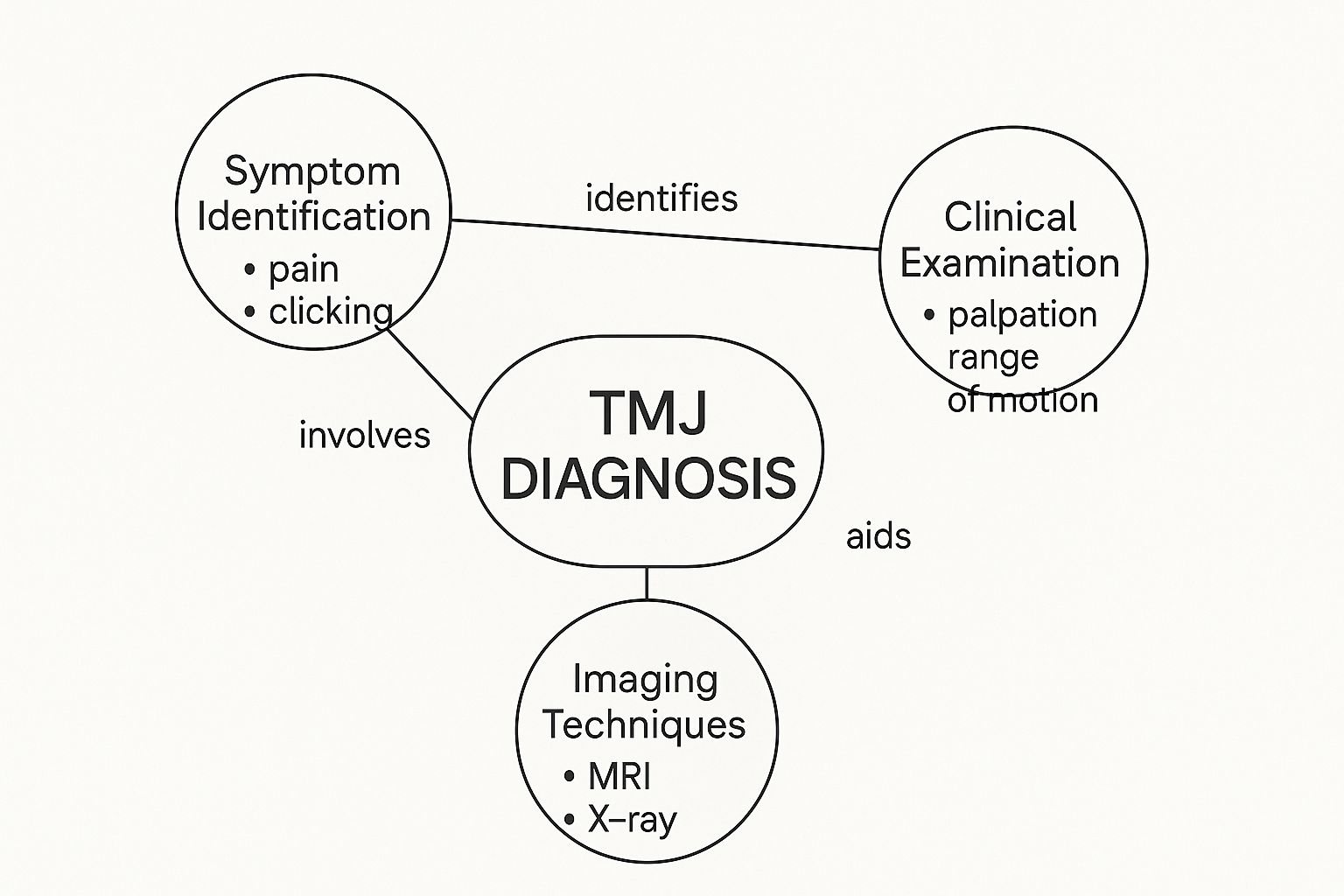
As you can see, a successful treatment plan starts with a multi-faceted approach to figure out the exact cause of the problem.
These technological advancements have played a significant role in improving outcomes. The integration of cutting-edge methods like Bio-PRF and advanced ultrasound for phonophoresis allows specialists to offer natural, effective solutions that accelerate healing and target inflammation directly at its source. You can explore more about how top San Diego clinics use technology in their practice.
By embracing these modern therapies, specialists in San Diego are giving patients better, less invasive ways to recover. These treatments mark a real shift toward restorative care, helping you get back to complete, comfortable jaw function for the long haul.
The Critical Role of Early Diagnosis
That faint clicking sound in your jaw or the occasional morning headache can feel like a minor annoyance—something you can just push through. But often, these are the earliest whispers of a developing TMJ disorder. Ignoring them is like ignoring the check engine light on your car; you might get away with it for a while, but you’re risking a much bigger problem down the road.
Putting off a professional check-up allows the underlying issue to progress. What starts as a manageable problem can slowly grow into a chronic condition that dictates your daily life.
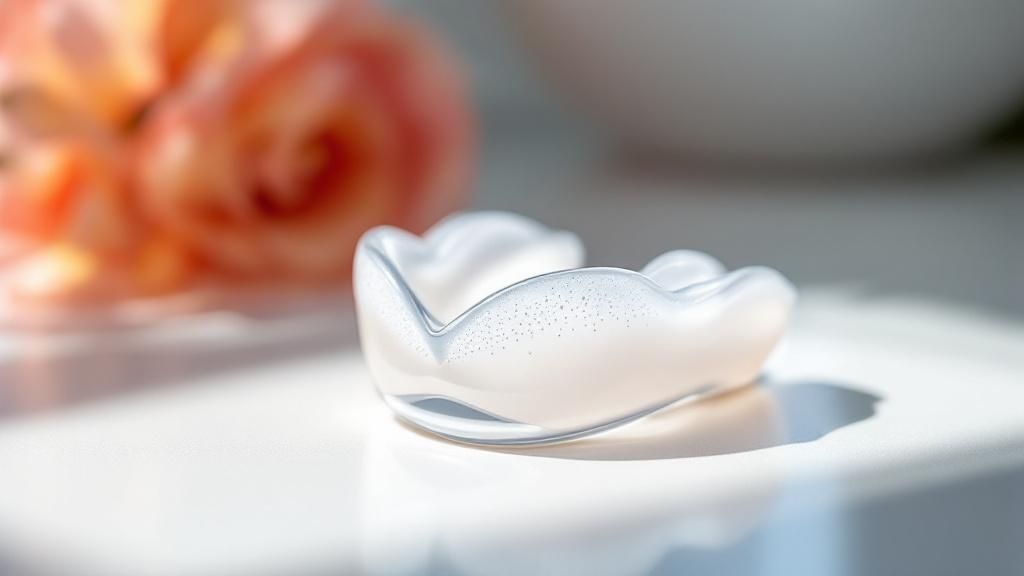
Delaying an evaluation is a gamble. That initial discomfort can snowball into persistent pain, serious limitations in jaw function, and eventually, the need for more complex and invasive procedures. Early intervention isn’t just about finding a fix; it’s about preventing the problem from ever taking over.
The Problem with Waiting
The longer a TMJ disorder goes unchecked, the more entrenched it becomes. Your body, ever the adapter, starts to compensate for the jaw’s imbalance, triggering a cascade of secondary issues you might not even connect to your jaw at first.
What begins as a simple mechanical issue can spiral into:
- Chronic Pain Cycles: The jaw muscles get stuck in a state of constant tension. This leads to relentless headaches, a stiff neck, and facial pain that becomes harder and harder to manage.
- Joint Degeneration: Imagine the constant grinding of gears. The non-stop stress on the joint can wear down the delicate cartilage, potentially leading to arthritic changes and permanent damage.
- Increased Treatment Complexity: A problem that could have been resolved with a simple, custom-made splint might later demand more intensive therapies just to get back to a baseline of comfort.
Why Acting Early is Key
Getting a professional evaluation at the first sign of trouble is the single most effective thing you can do. A thorough assessment can pinpoint the root cause of your symptoms before they have a chance to escalate. You can learn more about what to expect during a routine visit in our guide on the importance of a thorough dental check-up.
Think of early diagnosis as a proactive investment in your long-term health. It opens the door to conservative, gentle treatments that can effectively stop the disorder in its tracks and restore balance to your jaw system.
Clinical reports estimate that TMJ disorders affect roughly 5% to 12% of people worldwide. What’s really striking is that women are disproportionately affected, making up nearly 90% of diagnosed cases, usually between the ages of 20 and 40. San Diego dental professionals agree: early diagnosis is the key to preventing the progression of TMJ disorders and avoiding more significant interventions later on.
By addressing the issue head-on, you can sidestep years of unnecessary suffering and the financial and physical toll that comes with more extensive treatments. If you’re experiencing any symptoms, no matter how minor they seem, scheduling a consultation is a crucial first step toward lasting relief.
Common Questions About TMJ Treatment
Taking the first step toward TMJ relief brings up a lot of practical questions. We get it. Feeling confident in your treatment means knowing what to expect, from timelines and insurance to what that first appointment will actually be like. Let’s clear up some of the most common concerns patients have about getting TMJ treatment in San Diego.
How Long Until I Feel Relief from TMJ Treatment?
This is the big question, and while everyone’s body is different, relief often comes faster than you might think. Many patients feel a real drop in pain and muscle tension within just a few weeks of starting a custom-fit treatment, like oral splint therapy.
Our main goal with specialized, non-surgical care isn’t just a temporary patch. We’re aiming for lasting stability. While fully correcting the root cause of the disorder might take several months, your specialist will lay out a personalized timeline for you right after your first diagnostic visit.
Is TMJ Treatment Covered by Medical or Dental Insurance?
Navigating insurance for TMJ can feel a bit tricky because it often sits right between medical and dental care. Since TMD is a recognized medical condition, some therapies could be covered under your medical plan. At Serena San Diego Dentist, we work with many PPO insurance plans to help maximize your benefits for covered procedures.
At the same time, treatments that involve things like oral appliances or bite adjustments often fall under dental insurance. For patients without insurance or for services not covered, we offer flexible out-of-pocket payment options to ensure care is accessible. The key is to check with both of your providers. Our experienced team in San Diego is here to help you make sense of your benefits and find the best financial path forward.
What Happens During a First TMJ Consultation?
Think of your first visit as a deep dive into your condition, way beyond a typical check-up. We’ll start with a thorough conversation about your symptoms, your health history, and any potential triggers you’ve noticed yourself.
From there, we’ll do a physical exam of your jaw, head, and neck muscles to pinpoint those specific areas of tenderness and tension. To get the full picture, your San Diego specialist may use advanced tools like 3D cone-beam scans. The whole point of this session is to uncover the root cause of your pain so we can build a personalized treatment plan that actually works. Sometimes, severe TMJ pain can feel like a real crisis, and it helps to know what that looks like. You can learn more in our overview of common dental emergencies.
Can I Manage TMJ Symptoms with Lifestyle Changes?
Absolutely. In fact, lifestyle adjustments are a huge part of a successful treatment plan and work hand-in-hand with professional TMJ treatment in San Diego. Your specialist will almost certainly recommend several supportive habits you can build into your daily life.
Simple changes can significantly reduce the daily strain on your jaw joint. Things like avoiding chewy or hard foods, quitting gum, and maintaining good posture are small efforts that yield big results in supporting your formal treatment.
Stress management is another big one, since clenching is so often tied to stress. These habits don’t just speed up your recovery; they’re crucial for preventing future flare-ups, giving you the power to maintain a healthy, comfortable jaw for the long haul.
Ready to find a lasting solution for your jaw pain? The team at Serena San Diego Dentist is here to provide an accurate diagnosis and create a personalized treatment plan that brings you relief. Schedule your consultation today by visiting https://serenasandiegodentist.com.