

Tired of hearing the dreaded word 'cavity' during your dental checkups? You're not alone. Tooth decay is one of the most common chronic health conditions worldwide, yet the great news is that it is largely preventable. Preventing cavities isn't about a single magic solution; it’s about building a comprehensive defense system for your teeth through consistent daily habits, smart dietary choices, and professional dental care.
In vibrant San Diego communities from Clairemont Mesa to La Jolla, a confident, healthy smile is your best accessory, making oral health protection more important than ever. This guide moves beyond generic advice to offer eight powerful, actionable ways to prevent cavities, providing practical tips you can implement immediately.
Whether you are focused on your family's dental health or looking to strengthen your own, these expert-backed strategies will empower you to take control. At Serena San Diego Dentist, we believe in arming our patients with knowledge. This blueprint is your first step toward a future with fewer fillings and a lifetime of dental wellness. We will explore everything from daily routines to professional treatments that fortify your teeth against decay.
1. Brush Teeth Twice Daily with Fluoride Toothpaste
The single most effective habit you can adopt in your quest for a cavity-free smile is brushing your teeth twice a day with a fluoride-based toothpaste. This simple, twice-daily ritual is the cornerstone of oral hygiene and one of the best ways to prevent cavities. Its power lies in a two-pronged attack: the physical removal of harmful plaque and the chemical strengthening of your teeth. The mechanical action of your toothbrush bristles scrubs away the sticky biofilm (plaque) that harbors acid-producing bacteria, disrupting their ability to damage your enamel.
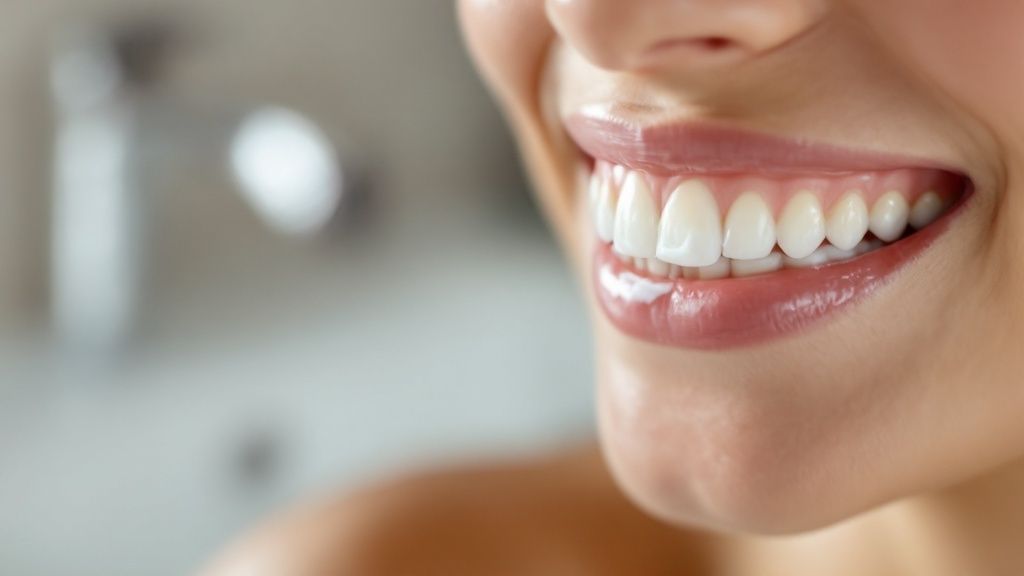
Simultaneously, fluoride, a naturally occurring mineral, works to protect and rebuild your teeth. It integrates into the enamel structure, making it more resistant to acid attacks. Furthermore, fluoride can even reverse the earliest stages of tooth decay through a process called remineralization. According to the American Dental Association (ADA), consistent use of fluoride toothpaste is credited with a significant reduction in cavities over the past several decades.
How to Maximize Your Brushing Routine
To get the most out of this essential habit, focus on technique and timing, not just frequency. Many people brush, but not everyone brushes effectively.
- Use the Right Tools: Opt for a soft-bristled toothbrush and a toothpaste with the ADA Seal of Acceptance, which certifies its fluoride content and effectiveness.
- Time Yourself: Dedicate a full two minutes to each brushing session. Use a timer on your phone or an electric toothbrush with a built-in timer to ensure you don't cut it short.
- Don't Rinse Immediately: After brushing, spit out the excess toothpaste but avoid rinsing your mouth with water right away. This allows the protective fluoride to remain on your teeth longer.
- Gentle Does It: Use gentle, circular motions to clean every surface of your teeth. Aggressive scrubbing can damage enamel and gums.
2. Daily Flossing and Interdental Cleaning
While brushing is essential, it can't clean everywhere. One of the most critical, yet often overlooked, ways to prevent cavities is daily flossing and interdental cleaning. Your toothbrush bristles simply cannot effectively reach the tight spaces between your teeth and under the gumline. These areas are prime real estate for plaque and food particles, creating hidden breeding grounds for acid-producing bacteria that cause interproximal cavities, or cavities between teeth. Regular flossing physically disrupts and removes this harmful buildup, stopping decay before it starts.
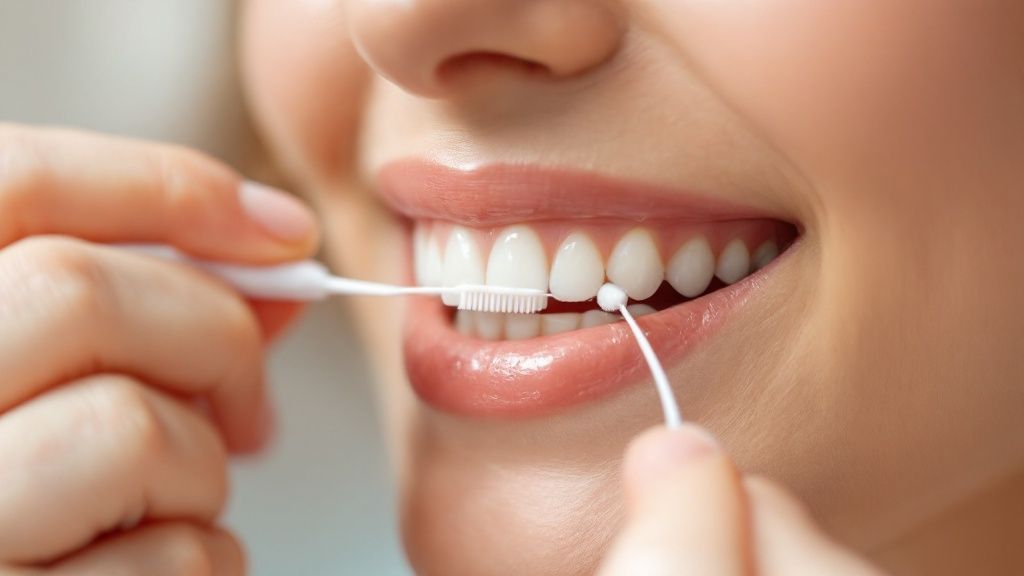
Neglecting to floss is like washing only 65% of your body; you're leaving a significant portion of your tooth surfaces unclean and vulnerable. Studies have shown that consistent flossing can reduce the risk of cavities between teeth by up to 40%. It is an indispensable part of a complete oral hygiene routine, targeting the areas most susceptible to decay and helping to maintain gum health. For anyone in San Diego serious about a healthy, cavity-free smile, incorporating daily interdental cleaning is non-negotiable.
How to Maximize Your Flossing Routine
Effective flossing is about technique, not force. Proper form ensures you remove plaque thoroughly without damaging your gums. Make this a daily habit for a lifetime of healthier teeth.
- Master the Technique: Use about 18 inches of floss, winding most of it around one middle finger and a small amount around the other. Gently guide the floss between your teeth using a gentle rubbing motion.
- Form a 'C' Shape: Once between the teeth, curve the floss into a C-shape against one tooth. Slide it gently into the space between the gum and the tooth until you feel resistance.
- Clean Both Sides: Rub the side of each tooth up and down several times before moving to the next tooth. Use a clean section of floss for each space.
- Explore Alternatives: If traditional string floss is challenging, don't give up. Floss picks, interdental brushes, or water flossers are excellent alternatives that can be just as effective at cleaning between teeth.
3. Limit Sugary and Acidic Foods and Drinks
While brushing and flossing are defensive measures, controlling your diet is a powerful offensive strategy in the fight against cavities. Limiting your intake of sugary and acidic foods and drinks is a critical way to prevent cavities because it starves the very bacteria that cause them. Oral bacteria feast on simple carbohydrates like sugar, producing enamel-eroding acids as a byproduct. The more frequently your teeth are exposed to this acidic environment, the faster they demineralize and decay.
The timing and frequency of consumption often matter more than the total amount. Sipping a sugary soda over an hour, for example, creates a prolonged acid attack on your teeth, doing more damage than drinking it quickly with a meal. Historic research, such as the work of Dr. Weston Price, has shown that populations with low sugar consumption have dramatically lower rates of tooth decay. This highlights the direct and powerful link between diet and oral health.
The following bar chart visualizes a study's findings on the impact of sugar on children's dental health, showing a clear correlation between lower sugar intake and fewer cavities.
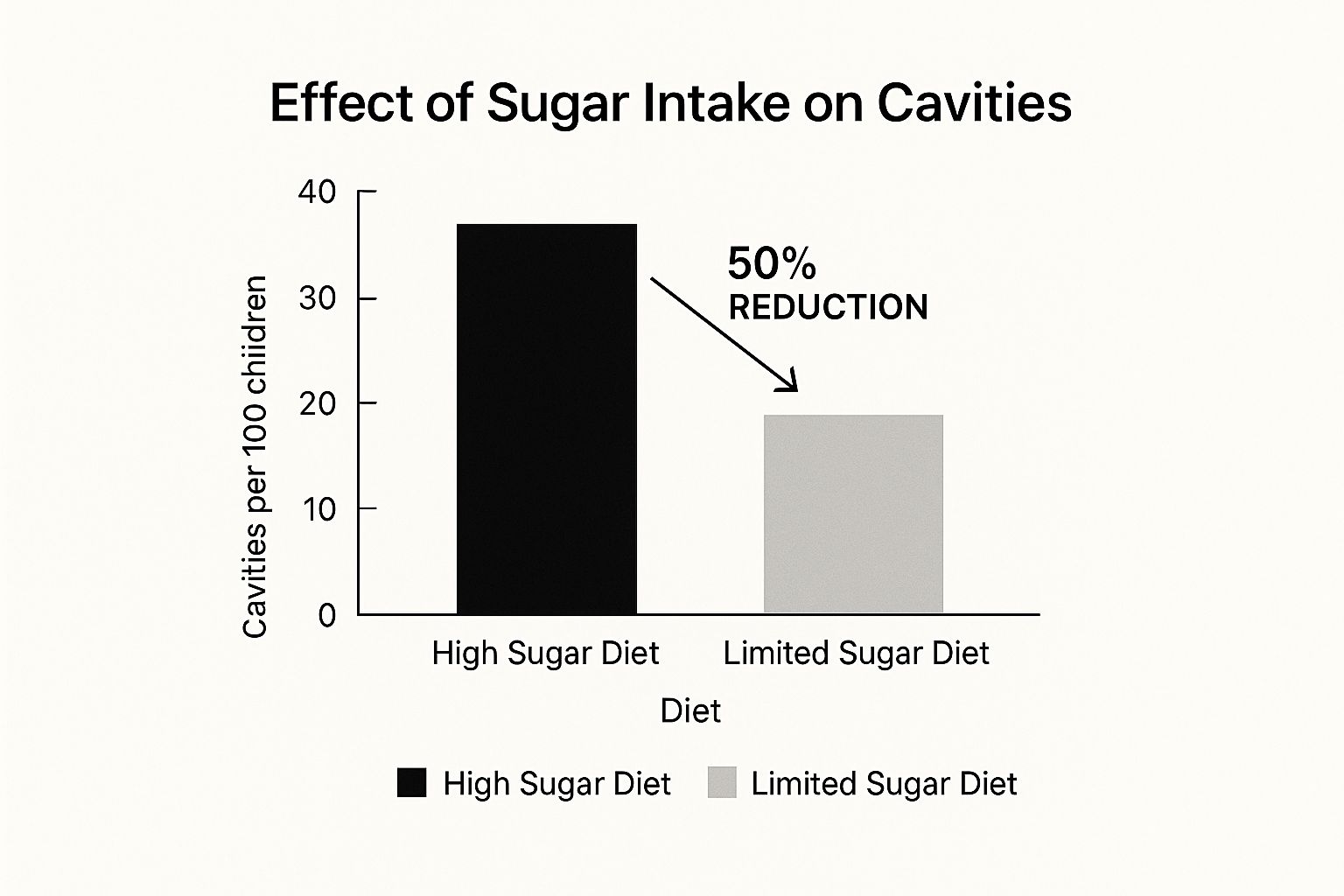
The data clearly demonstrates that children on a limited sugar diet experienced a 50% reduction in cavities compared to those on a high-sugar diet, underscoring the preventative power of dietary choices.
How to Maximize Your Dietary Defense
Making smart food choices doesn't mean eliminating all treats; it's about being strategic and mindful of what, when, and how you consume them.
- Consume with Meals: Enjoy sugary foods or drinks as part of a larger meal. Increased saliva production during meals helps neutralize acids and wash away food particles.
- Use a Straw: When drinking acidic beverages like soda, fruit juice, or sports drinks, a straw helps minimize their direct contact with your teeth.
- Choose Water: Make water your primary beverage. It's free of sugar, non-acidic, and helps rinse your mouth between meals.
- Read Food Labels: Hidden sugars are prevalent in many processed foods. To effectively limit them, learning how to read food labels like a pro is an invaluable skill that empowers you to make healthier choices for your teeth.
4. Drink Fluoridated Water
One of the most powerful and passive ways to prevent cavities is simply by drinking tap water. Community water fluoridation, hailed by the CDC as one of the 20th century's greatest public health achievements, provides a consistent, low-dose exposure to fluoride. This mineral works systemically by strengthening developing teeth in children and topically by fortifying adult enamel against acid attacks every time you take a sip. It’s an effortless yet highly effective defense mechanism integrated into your daily hydration.
The science behind this is solid and has decades of proof. When Grand Rapids, Michigan, became the first city to fluoridate its water in 1945, it saw a staggering 60% reduction in childhood cavities. This success has been replicated globally, with studies from the CDC showing that fluoridated communities have about 25% fewer cavities than those without. For San Diego residents, this means that turning on the tap is one of the easiest ways to protect your smile and the smiles of your family members.
How to Maximize the Benefits of Fluoridated Water
Leveraging this public health benefit is simple, but a few key considerations can ensure you get the most out of it. It starts with understanding what’s in your local water.
- Know Your Source: Contact your local water utility to confirm the fluoride levels in your municipal supply. In San Diego, the water is fluoridated to the optimal level of approximately 0.7 parts per million. Before considering fluoridation, understanding the baseline quality of your local water supply is crucial. A good starting point is researching questions like: Is Water Safe to Drink in Dubai: A Definitive Guide.
- Check Your Filters: Some home water filtration systems, particularly reverse osmosis systems, can remove fluoride. If your goal is cavity prevention, ensure your filter leaves this beneficial mineral intact.
- Bottled Water Habits: If you primarily drink bottled water, check the label. Most bottled waters do not contain optimal levels of fluoride, which could leave your teeth vulnerable.
- Consult a Professional: If you use well water or have concerns about your fluoride intake, schedule a consultation. A dentist can assess your risk and, if necessary, recommend fluoride supplements or treatments to compensate.
5. Chew Sugar-Free Gum After Meals
One of the most convenient and surprisingly effective ways to prevent cavities is chewing sugar-free gum after meals. This simple act goes beyond just freshening your breath; it actively defends your teeth against the acid attacks that lead to decay. The primary benefit comes from the stimulation of saliva, your body's natural oral defense system. Increased saliva flow helps to rinse away lingering food particles and, more importantly, neutralizes the harmful acids produced by plaque bacteria after you eat.
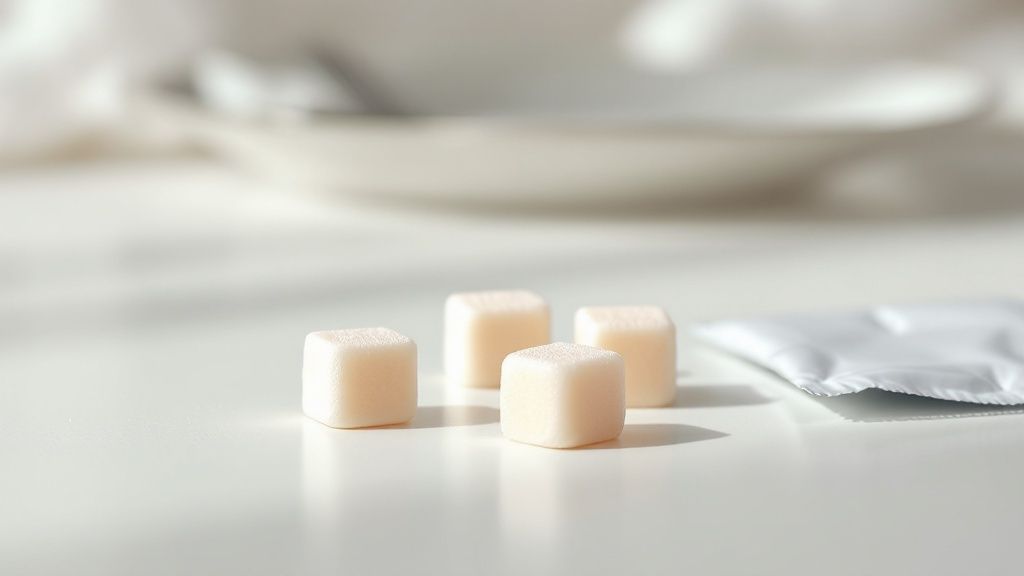
Many sugar-free gums contain a secret weapon called xylitol, a natural sweetener that actively fights cavity-causing bacteria. Unlike sugar, xylitol cannot be metabolized by Streptococcus mutans, the main culprit behind tooth decay. Regular exposure to xylitol inhibits the growth of these bacteria, reducing their ability to produce enamel-eroding acid. Studies, including notable research from Finland, have demonstrated that consistent use of xylitol gum can lead to a significant reduction in cavities. This makes it a powerful tool for on-the-go protection when brushing isn't an option.
How to Maximize Your Gum-Chewing Habit
To turn this simple habit into a formidable cavity-prevention strategy, it's important to choose the right gum and use it correctly.
- Look for Xylitol: Choose a sugar-free gum where xylitol is listed as the first ingredient. This ensures you're getting a high enough concentration to have an antibacterial effect.
- Time It Right: The American Dental Association (ADA) recommends chewing sugar-free gum for 20 minutes immediately following meals and snacks. This timing is critical for neutralizing post-meal acid production.
- Check for the ADA Seal: Select gums with the ADA Seal of Acceptance. This seal confirms the product has been scientifically proven to be safe and effective at reducing plaque and strengthening teeth.
- Start Slowly: If you're new to xylitol, introduce it into your routine gradually. Consuming large amounts initially can sometimes cause minor digestive upset, so let your body adjust.
6. Regular Dental Checkups and Professional Cleanings
While daily habits are the foundation of oral health, professional dental care is the essential reinforcement that secures your defenses against cavities. Scheduling regular checkups and cleanings is one of the most proactive ways to prevent cavities, providing a level of care that simply cannot be replicated at home. These visits allow for early detection of potential issues and the professional removal of hardened plaque (tartar) that your toothbrush cannot eliminate. This two-part approach of expert oversight and deep cleaning is crucial for long-term oral wellness.
During a checkup, a dental professional can spot the very first signs of demineralization, long before a cavity becomes a significant problem requiring extensive treatment. Early detection can save you from discomfort and more complex procedures down the line. Moreover, the professional cleaning process removes tartar buildup, a prime breeding ground for the bacteria that cause decay and gum disease. Research consistently shows that patients who maintain regular dental visits experience fewer major dental issues and maintain better overall health.
How to Maximize Your Dental Visits
To get the most value from your professional care, treat each appointment as a collaborative effort to protect your smile. A little preparation and active participation can make a significant difference.
- Stick to a Schedule: The American Dental Association generally recommends visits every six months. Adhere to the schedule your San Diego dentist suggests, as it is tailored to your specific risk factors.
- Don't Wait for Pain: Many dental problems, including early-stage cavities, do not cause pain. Skipping appointments because your teeth feel fine can allow hidden issues to worsen.
- Ask About Preventive Options: Inquire about treatments like fluoride varnish or dental sealants, which provide an extra layer of protection against decay, especially for cavity-prone individuals.
- Communicate Openly: Discuss any changes you’ve noticed, from minor sensitivity to concerns about your oral hygiene routine. Your dentist can provide personalized advice and solutions. Learn more about the benefits of a professional dental cleaning in San Diego and how it fits into a preventive care plan.
7. Use Antimicrobial Mouthwash
While brushing and flossing are the foundational pillars of oral hygiene, incorporating an antimicrobial mouthwash into your routine adds another powerful layer of defense. Mouthwash reaches areas your brush and floss might miss, such as the farthest corners of your mouth, the tongue, and the roof of your mouth. Its primary function is to reduce the population of harmful bacteria that produce enamel-eroding acids, helping to create a healthier oral environment and serving as one of the most effective ways to prevent cavities.
Therapeutic mouthwashes go beyond just freshening breath; they contain active ingredients designed to fight plaque, gingivitis, and tooth decay. Many formulations include fluoride to strengthen enamel, while others use antimicrobial agents like essential oils (e.g., eucalyptol, menthol) or cetylpyridinium chloride (CPC) to kill bacteria. Studies have shown that adding a quality mouthwash to a regular brushing and flossing regimen can provide a significant additional reduction in cavities, particularly for those at higher risk.
How to Maximize Your Mouthwash Routine
To get the most benefit, it’s crucial to use mouthwash correctly and choose the right product for your needs. It's an excellent supplement to your routine, not a substitute for mechanical cleaning.
- Proper Timing is Key: Use mouthwash after you have thoroughly brushed and flossed. This ensures that food debris and plaque are already removed, allowing the active ingredients to make direct contact with your teeth and oral tissues.
- Don't Dilute the Effects: After swishing for the recommended time (usually 30-60 seconds), spit out the rinse but avoid eating, drinking, or rinsing with water for at least 30 minutes. This gives the ingredients, especially fluoride, ample time to work.
- Choose the Right Formula: If you experience dry mouth, opt for an alcohol-free formulation, as alcohol can exacerbate dryness. For cavity prevention, look for a mouthwash containing fluoride and the ADA Seal of Acceptance. Learn more about the different types of mouthwash and which might be right for you by exploring some frequently asked questions about mouthwash.
- Follow Directions: Always use the amount specified on the product label and swish for the full recommended duration to ensure its effectiveness.
8. Apply Dental Sealants to Back Teeth
One of the most effective and underutilized ways to prevent cavities, especially in children and teenagers, is the application of dental sealants. This simple, non-invasive procedure provides a powerful defense for the teeth most vulnerable to decay: the back molars and premolars. Their deep grooves and fissures, known as pits and fissures, are highly efficient at trapping food particles and bacteria, yet notoriously difficult to clean with toothbrush bristles alone. A dental sealant acts as a protective shield, evening out these rough surfaces.
This thin, plastic coating is painted onto the chewing surfaces, where it quickly bonds and hardens, creating a smooth barrier that literally "seals out" decay-causing agents. The impact of this preventive measure is significant. According to the Centers for Disease Control and Prevention (CDC), school-age children without sealants have almost three times more cavities in their first molars than children with sealants. This proactive step is a cornerstone of modern preventive dentistry.
How to Maximize the Benefits of Dental Sealants
To ensure sealants provide long-lasting protection, proper timing and maintenance are key. Discussing this option with your dentist can fortify your family's oral health strategy.
- Timing is Crucial: Sealants are most effective when applied shortly after the permanent molars erupt, typically between ages 6 and 14. This protects the teeth during their most cavity-prone years.
- Check for Eligibility: Ask your San Diego dentist if your children are good candidates for sealants. While most often used for kids, adults with deep grooves and no existing decay can also benefit.
- Regular Inspections: During routine check-ups at our Clairemont Mesa office, we will inspect the sealants for any chipping or wear and can reapply them if necessary to maintain protection.
- Continue Good Habits: Sealants are not a replacement for brushing and flossing. They protect the chewing surfaces, but plaque can still form between teeth and along the gumline.
8 Key Methods to Prevent Cavities Comparison
| Prevention Method | Implementation Complexity 🔄 | Resource Requirements ⚡ | Expected Outcomes 📊 | Ideal Use Cases 💡 | Key Advantages ⭐ |
|---|---|---|---|---|---|
| Brush Teeth Twice Daily with Fluoride Toothpaste | Low – simple daily routine | Minimal – toothbrush, fluoride toothpaste | 20-40% cavity reduction; enamel remineralization | Everyone; daily oral hygiene | Highly effective, low cost, easy to adopt |
| Daily Flossing and Interdental Cleaning | Moderate – requires skill and time | Low – floss, picks, water flossers | 40% reduction in interproximal cavities | Those with tight tooth spacing; interdental care | Prevents cavities between teeth, reduces gum disease |
| Limit Sugary and Acidic Foods and Drinks | Moderate – lifestyle/diet changes | None to low – dietary awareness | Up to 50% fewer cavities with reduced sugar intake | Individuals aiming for dietary-based prevention | Significant cavity reduction, overall health benefits |
| Drink Fluoridated Water | Very Low – passive prevention | None – public water infrastructure | 20-40% cavity reduction population-wide | All ages; community-wide prevention | Low cost, systemic and topical protection |
| Chew Sugar-Free Gum After Meals | Low – simple addition post-meal | Low – purchase of sugar-free gum | Up to 85% cavity reduction in children (xylitol gum) | When brushing not possible; saliva stimulation | Convenient, stimulates saliva, inhibits bacteria |
| Regular Dental Checkups and Professional Cleanings | High – requires appointments | Moderate to high – dental visits, professional care | 40% fewer major dental procedures; early cavity detection | High-risk individuals; preventive care | Early detection, professional treatments, personalized plans |
| Use Antimicrobial Mouthwash | Low – easy routine addition | Low – purchase of mouthwash | ~16% additional cavity reduction with brushing/flossing | Supplement to brushing and flossing | Whole-mouth antimicrobial, fluoride delivery |
| Apply Dental Sealants to Back Teeth | Moderate – professional application | Moderate – dental visits, sealant materials | 80% cavity reduction for 2 years on treated teeth | Children 6-14 years; molars with deep grooves | High protection for chewing surfaces, painless |
Your Next Step to a Healthier Smile in San Diego
Preventing cavities is not about a single magic solution; it's about building a consistent, multi-layered defense system for your teeth. Throughout this guide, we've explored a comprehensive toolkit of powerful strategies. From the non-negotiable daily habits of brushing with fluoride toothpaste and flossing, to making smarter dietary choices that starve decay-causing bacteria, you now have the foundational knowledge to protect your smile. Each of these ways to prevent cavities works in harmony with the others.
The journey doesn't stop with your at-home routine. Professional dental care acts as your strongest reinforcement. Regular checkups and cleanings remove stubborn plaque and tartar that even the best brushing can miss, while modern treatments like dental sealants provide an invaluable shield for your most vulnerable teeth. Integrating simple yet effective habits like chewing sugar-free gum and using an antimicrobial mouthwash adds further layers of protection, creating an environment where cavities struggle to form.
The Power of Proactive Care
The true value of mastering these concepts lies in shifting your mindset from reactive to proactive. Instead of waiting for the discomfort of a toothache to signal a problem, you are taking daily, deliberate steps to ensure it never happens. This approach not only saves you from potential pain and more complex dental procedures down the line, but it also preserves your natural teeth, boosts your confidence, and contributes to your overall well-being. A healthy mouth is intrinsically linked to a healthy body.
For residents of San Diego, from Clairemont Mesa to La Jolla, maintaining that bright, healthy smile is part of our sunny lifestyle. By making these practices a seamless part of your daily life, you are investing in a future of confident smiles, comfortable meals, and excellent health. Your commitment to these habits is the most critical factor in achieving a lifetime free of dental decay.
Your Partner in Preventive Dentistry
At Serena San Diego Dentist, we believe that the best dental care is a partnership between our expert team and our informed patients. We are here to support your efforts with personalized guidance, professional cleanings, and advanced preventive treatments tailored to your specific needs. We understand that navigating dental finances can be a concern, which is why we proudly accept most major PPO insurance plans and provide transparent, flexible out-of-pocket payment options to make exceptional care accessible. Your journey to a cavity-free smile has a clear, actionable path, and we are here to walk it with you.
Ready to fortify your defenses against cavities with professional, personalized care? Schedule your comprehensive checkup at Serena San Diego Dentist today. Let our expert team help you implement the best ways to prevent cavities and ensure your smile stays healthy and beautiful for years to come.