
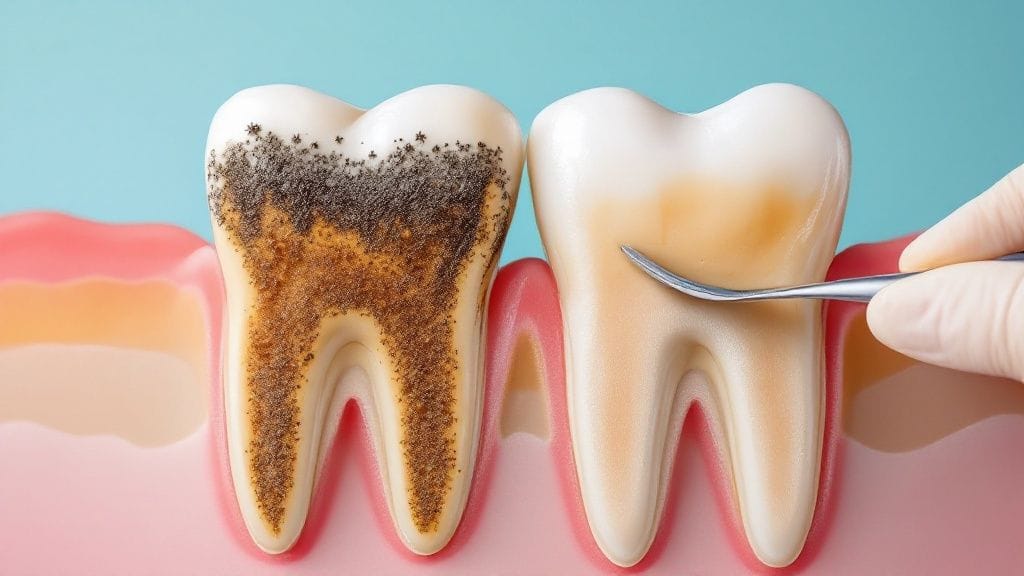
When we talk about periodontal disease treatment, we're discussing a series of professional steps aimed at stopping gum disease in its tracks. At its core, this is a bacterial infection that attacks the very foundation of your smile—the gums and bone that hold your teeth firmly in place.
The entire goal of treatment is to eliminate that infection, reduce the pockets that form around your teeth, and ultimately prevent serious problems like tooth loss.
Understanding The Journey To Healthy Gums
I often ask my patients to think of their gums like a garden. In the early stage, called gingivitis, it's like a few weeds have just started to sprout. You might be worried about the initial signs, but a little extra attention with your daily brushing and flossing can usually clear things up.
But if those weeds are ignored, the problem can grow into periodontitis. Now, the weeds have deep, tangled roots that are starting to destroy the soil—that's the bone and tissue supporting your teeth. At this point, you need professional help to save the garden.
No matter the stage, our treatment goals are always focused on a few key things:
- Getting rid of the harmful bacteria hiding below your gumline.
- Stopping any further damage to your gum tissue and the underlying bone.
- Bringing your gums back to a healthy state to keep your teeth secure for the long haul.
This infographic does a great job of showing how things can progress if left unchecked.
As you can see, what begins as simple inflammation can quickly escalate to permanent bone loss, which is why catching it early makes all the difference.
The Scale Of The Problem
This isn't some rare condition that only affects a few people. It's a huge global health issue. In fact, in 2021, experts estimated there were about 1.07 billion cases of periodontal diseases around the world. That’s a staggering number and highlights just how critical effective treatment is.
Understanding these treatments within the context of the broader dental industry really drives home how vital this specialty is for overall public health. Knowing the warning signs is your first defense.
If you're curious about what to look for, you can learn more about how periodontitis can be ruining your oral health in another one of our detailed guides.
For now, this guide will focus on the most effective treatments we use right here in our San Diego office to restore your gum health.
To make it easier to see how the disease stage dictates the treatment, here’s a quick breakdown.
Stages Of Gum Disease And Common Treatments
| Stage of Disease | Common Symptoms | Primary Treatment Goal | Typical Treatment |
|---|---|---|---|
| Gingivitis | Red, swollen gums that may bleed easily | Reverse inflammation and restore gum health | Professional cleaning and improved home care |
| Early Periodontitis | Receding gums, small pockets (4-5mm) | Remove plaque and tartar below the gumline | Scaling and root planing (deep cleaning) |
| Moderate Periodontitis | Deeper pockets (6-7mm), minor bone loss | Halt bone loss and reduce pocket depth | Deep cleaning, possibly localized antibiotics |
| Advanced Periodontitis | Deep pockets, significant bone loss, loose teeth | Prevent tooth loss and regenerate tissue | Surgical options like flap surgery or bone grafts |
As you can see, the earlier we intervene, the less invasive (and less costly) the solution tends to be. The key is taking action as soon as you notice something is off.
Your First Line of Defense: Non-Surgical Treatments
When we first tackle gum disease, we almost always start with non-surgical treatments. Think of these as the foundational first steps—highly effective methods for stopping gum disease in its early to moderate stages before more serious intervention is on the table.
The cornerstone of this approach is a procedure called Scaling and Root Planing (SRP). You've probably heard it called a "deep cleaning," and that’s a pretty good description of what it is.
What Is Scaling and Root Planing?
Imagine tartar buildup below your gum line is like stubborn barnacles stuck to the hull of a ship. You can't just wish them away; you have to physically remove them. That's exactly what scaling does. We carefully and thoroughly scrape away all that hardened plaque and tartar from your tooth surfaces and from deep within your gum pockets.
Once the "barnacles" are gone, we move on to root planing. This part of the process is all about smoothing out the root surfaces of your teeth. Why? Because bacteria love to grab onto rough spots. A smooth surface makes it much harder for new plaque and bacteria to get a foothold, giving your gums a clean, healthy environment to heal and reattach snugly to your teeth.
If you want to dive deeper into the specifics, our guide on everything you need to know about deep cleaning teeth is a great resource.
This initial, non-surgical approach is often all that's needed to get gingivitis under control and even reverse it. For early periodontitis, it's a powerful tool for stopping the disease from progressing.
This is a critical intervention, especially when you consider how common gum disease is. The Centers for Disease Control and Prevention (CDC) reports that a staggering 42% of U.S. adults over 30 have some form of periodontitis. That's millions of people who can benefit from treatments like SRP. For more data, you can see an analysis of the periodontal therapeutics market on datamintelligence.com.
Sometimes, we'll supplement the cleaning with targeted antibiotics placed directly into the gum pockets. This acts like a localized strike force, wiping out any lingering bacteria right at the source and giving your gums an extra boost to heal. And don't worry—we use local anesthesia to make sure you're completely comfortable throughout the entire process.
Navigating Surgical Options for Advanced Gum Disease
Sometimes, non-surgical treatments like deep cleanings just aren't enough to get ahead of advanced gum disease. When the infection has settled deep below the gum line, we need to consider surgical options to truly resolve the issue.
Think of it like this: a deep cleaning is great for clearing away surface-level problems, but surgery allows us to get to the root of the issue—literally. It's the difference between pulling weeds and carefully turning over the soil to create a healthy foundation where your gums can thrive again.
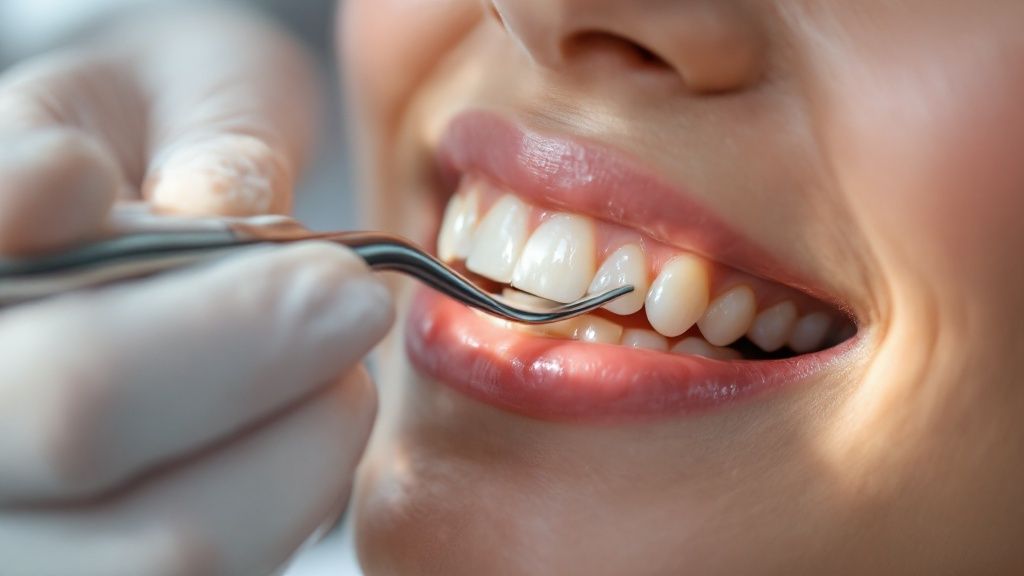
This becomes the necessary next step when the pockets around your teeth have become too deep for us to clean effectively with standard tools.
Common Surgical Treatments Explained
One of the go-to procedures is flap surgery, which you might also hear called pocket reduction surgery. We gently lift the gums away from the teeth, giving us a clear view to thoroughly remove all the hardened tartar and infected tissue from the root surfaces. After everything is clean, we secure the gums back in place so they fit more snugly around the teeth.
In cases where gum disease has caused significant damage, we turn to regenerative procedures to actually rebuild what’s been lost. These often include:
- Bone Grafts: If the disease has eaten away at the bone that holds your teeth in place, we can place a graft to encourage new bone to grow, reinforcing your smile's foundation.
- Tissue Grafts: Used to correct gum recession, tissue grafts cover exposed roots. This not only looks better but also protects the roots from decay and cuts down on tooth sensitivity.
These are incredibly important procedures for ensuring the long-term stability of your teeth. You can learn more about how we rebuild this crucial support system by reading our guide to dental bone grafting procedures.
Surgical periodontal disease treatment isn't just about a deep clean. It's about fundamentally changing the environment in your mouth to promote healing and shrink those deep pockets, making it easier for you to keep things clean at home.
We also use modern tools like dental lasers in our surgical treatments. Laser therapy is a fantastic option that often means less bleeding, minimal discomfort, and a faster recovery compared to traditional surgical methods.
Why Long-Term Maintenance Is Non-Negotiable
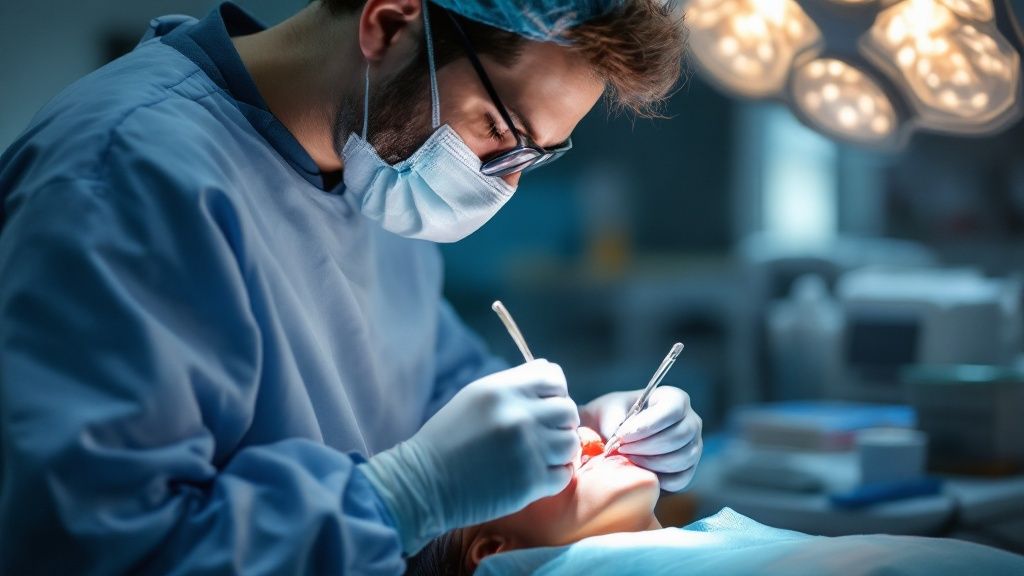
Finishing your periodontal treatment is a fantastic achievement, but it's important to see it as the start of a new phase, not the finish line. Periodontal disease is a chronic condition, much like diabetes or high blood pressure. Once you've had it, you're always susceptible to it coming back.
The initial infection might be under control, but the environment that let it take hold can easily return without the right care. This is where periodontal maintenance becomes the most crucial part of protecting your health for the long haul.
What Periodontal Maintenance Looks Like
This isn't your average dental cleaning. Periodontal maintenance appointments are scheduled more often and are far more intensive. Most of our San Diego patients come in every three to four months. This specific timing is key—it allows us to disrupt harmful bacteria before they have a chance to regroup and cause more damage.
Think of it this way: your initial treatment was the major cleanup after a storm. Periodontal maintenance is the ongoing upkeep that reinforces your defenses and prevents another storm from ever hitting.
During these essential visits, we will:
- Carefully measure your gum pockets to catch any subtle signs of recurring infection.
- Conduct a deep, thorough cleaning both above and just below the gumline.
- Check in on your at-home routine and offer personalized tips to keep you on track.
The Team Effort for Lasting Success
While our professional care is vital, your daily habits at home are the other half of the puzzle. What you do every day is just as important for preventing a relapse. This means being diligent with your brushing and flossing and managing other health factors, like quitting smoking or keeping blood sugar levels in check.
To make the distinction clearer, here’s a look at how your new routine compares to standard dental care.
Daily and Long-Term Periodontal Maintenance Plan
| Care Component | Routine Dental Care | Periodontal Maintenance Plan |
|---|---|---|
| Visit Frequency | Typically every 6 months | Every 3-4 months is standard |
| Cleaning Focus | Plaque & tartar above the gumline | Plaque & tartar above and below the gumline |
| Pocket Measurement | Annual or as needed | Measured at every single visit to track stability |
| At-Home Care | Standard brushing and flossing | Often includes specialized tools (Waterpik, interdental brushes) |
| Goal | Prevention of new disease | Management of a chronic condition to prevent recurrence |
This table shows that periodontal maintenance is a more hands-on, proactive approach designed to manage a pre-existing condition. It's an investment in the health you worked so hard to get back.
Thankfully, better treatments and growing awareness mean we're getting better at managing this disease. Global incidence rates are even projected to slowly decrease by 2050. Still, the number of people currently affected is enormous, which highlights why consistent maintenance is so critical. Sticking to a schedule is everything, and our guide explains how often you should see a dentist to protect the investment you've made in your smile.
What You Gain by Treating Gum Disease

Committing to periodontal therapy does more than just save your teeth—it genuinely improves your day-to-day life. The most immediate win is hitting the brakes on the disease itself. This stops further damage to your gums and the bone that holds your teeth in place, which is absolutely essential for keeping your natural smile for years to come.
Many of our San Diego patients also tell us one of their favorite results is the end of persistent bad breath. That chronic issue, known as halitosis, is often caused by bacteria hiding deep in infected gum pockets. Getting rid of it can be a huge confidence booster, both at work and when you're out with friends.
A Healthier Body Starts with a Healthier Mouth
The ripple effects of treating gum disease travel throughout your entire body. We’re learning more every day about the powerful link between what’s happening in your mouth and your overall systemic health. When you get the chronic inflammation in your gums under control, you're also lowering your risk for other serious problems.
Here’s what’s at stake:
- Heart Disease and Stroke: Bacteria from inflamed gums can get into your bloodstream, and there's growing evidence this contributes to arterial inflammation and other cardiovascular issues.
- Diabetes Complications: For anyone managing diabetes, active gum disease can make it much tougher to control blood sugar. It's a vicious cycle, as high blood sugar can also make gum disease worse.
- Respiratory Infections: It's easy for bacteria from your mouth to be inhaled into your lungs, which can increase the risk of infections like pneumonia.
Think of it this way: treating periodontal disease isn't just a dental task. It's a proactive investment in your total well-being. A healthy mouth is a cornerstone of a healthy life, helping you feel your best from head to toe.
At the end of the day, successful treatment is all about getting your comfort and confidence back. It means being able to eat what you love without pain and smiling without a second thought. To see what this journey looks like for others, you can explore a dentistry website and read about real patient experiences. It's about taking back your health, one smile at a time.
Your Top Questions About Periodontal Treatment Answered
When you're facing periodontal disease, it’s completely normal to have a lot of questions. Getting clear, straightforward answers is the first step toward feeling in control of your health. Here’s a breakdown of what our San Diego patients most often ask us.
Is Periodontal Treatment Painful?
This is probably the number one question we hear, and the good news is, your comfort is our top priority. For non-surgical treatments like deep cleanings, we use a local anesthetic to make sure the area is completely numb. You won't feel any pain during the procedure itself.
After the numbness wears off, you might have some mild tenderness or tooth sensitivity for a few days. This is a normal part of the healing process and can almost always be handled with standard over-the-counter pain medication. We’ll walk you through exactly what to expect and how to stay comfortable.
How Long Does Periodontal Treatment Take?
There's no one-size-fits-all answer here—it really depends on how advanced your gum disease is. A deep cleaning (scaling and root planing) can often be done in just one or two visits.
More involved surgical treatments are also typically single-appointment procedures, but the full journey from the initial procedure to complete healing can take several months.
The real key to success is seeing this as an ongoing commitment. After we get the disease under control, you'll start a periodontal maintenance schedule. This just means coming in for specialized cleanings every 3-4 months to prevent the infection from making a comeback.
Will My Gums Grow Back After Treatment?
This is a great question. While treatment is fantastic at stopping the disease and helping your gums heal and tighten around your teeth, any significant gum tissue you've already lost won't grow back on its own. The main goal is to halt the damage and protect the healthy gum and bone you still have.
That said, if you've experienced major gum recession, you're not out of options. We can look at regenerative treatments, like a gum graft, which can help rebuild some of that lost tissue and improve the look and health of your smile.
Can Periodontal Disease Be Cured for Good?
It’s helpful to think of periodontal disease less like a cold you can cure and more like a chronic condition you manage, such as diabetes. It doesn't just vanish forever, but with the right approach, you can absolutely keep it under control for the rest of your life.
By combining professional treatment with your own diligent daily care at home, you can stop the disease from progressing. This partnership is what keeps your mouth—and your whole body—healthy for the long haul.
Ready to take the first step towards healthier gums and a more confident smile? The team at Serena San Diego Dentist is here to create a personalized treatment plan just for you. Contact us to learn about our flexible payment options and how your insurance may cover your treatment. Schedule your consultation today by visiting us at https://serenasandiegodentist.com.