

Preventing cavities naturally is about more than just dodging sugar; it's a proactive strategy that combines a tooth-friendly diet, consistent oral hygiene, and smart lifestyle habits to fortify your teeth from the inside out. This holistic approach aims to create an oral environment where decay-causing bacteria simply can't thrive. Instead of reacting to cavities after they form, you build up your teeth’s natural defenses for long-term resilience.
This guide provides practical, evidence-based steps to help you take control of your dental health. By integrating these natural methods into your daily routine, you can significantly reduce your risk of tooth decay and maintain a strong, vibrant smile for life.
The Foundation: Understanding Natural Cavity Prevention
At its core, preventing cavities naturally is about balancing your oral microbiome—the complex ecosystem of bacteria living in your mouth. Not all bacteria are harmful; the goal is to foster the beneficial ones while suppressing the acid-producing types that erode tooth enamel. When this balance is achieved, your mouth creates a protective shield against decay.
This isn’t about a single magic solution. It’s about making a series of small, consistent changes that work together to strengthen your teeth and support a healthy oral environment. True prevention is always proactive, focusing on the root causes of decay rather than just the symptoms.
The Core Pillars of a Natural Approach
A successful natural cavity prevention strategy is built on a few key principles. Think of these as the bedrock of a cavity-resistant lifestyle, guiding all the specific actions you'll take.
Here's a quick look at the core strategies we're going to dive into. This table breaks down the most effective natural methods to keep your teeth strong and healthy.
Core Pillars of Natural Cavity Prevention at a Glance
| Strategy | Primary Goal | Simple Action |
|---|---|---|
| Dietary Discipline | Remineralize teeth and starve harmful bacteria. | Swap sugary snacks for cheese, nuts, or crunchy veggies. |
| Mechanical Cleaning | Physically remove plaque and food debris. | Master proper flossing to clean between teeth. |
| Microbiome Management | Cultivate a balanced and healthy oral environment. | Eat probiotic-rich foods like yogurt or kefir. |
| Holistic Health Habits | Support saliva production and overall tooth strength. | Stay well-hydrated by drinking plenty of water all day. |
By focusing on these areas, you begin to create a mouth that is naturally inhospitable to cavities. It’s a powerful shift in mindset.
The most powerful defense against cavities isn’t a product you buy; it's the healthy environment you cultivate in your mouth every single day through conscious choices.
This guide will walk you through practical, actionable steps to integrate these pillars into your daily life.
Here’s what you’ll learn:
- Dietary Discipline: How to choose nutrient-rich foods that actively remineralize your teeth while avoiding the sugary items that feed bad bacteria.
- Mechanical Cleaning: The correct techniques for physically removing plaque and food particles. Remember, even the best home care needs professional support. A professional dental cleaning is crucial for removing stubborn tartar.
- Microbiome Management: Simple ways to encourage a healthy balance of oral bacteria to keep harmful microbes in check.
- Holistic Health Habits: Understanding how hydration, stress, and nutrient intake directly impact saliva production and tooth strength.
With this foundational knowledge, you can take meaningful control of your oral health for a lifetime of strong, healthy smiles.
Your Diet: The First Line of Defense Against Decay
We’ve all heard the advice to "avoid sugar," but a truly natural approach to preventing cavities involves a deeper look at your plate. The secret isn't just cutting out sweets; it's understanding which foods fuel harmful bacteria and which ones actively build stronger, more resilient teeth.
A significant amount of "free sugar" is hidden in everyday foods, not just candy and soda. It lurks in pasta sauces, flavored yogurts, salad dressings, and even seemingly healthy items like fruit juice. These sugars are the primary food source for bacteria like Streptococcus mutans, which produce the acid that erodes tooth enamel.
Beyond Just Cutting Out Sugar
Limiting sugar is arguably the single most powerful action you can take to prevent cavities naturally. It's no coincidence that tooth decay is the most common noncommunicable disease globally. The World Health Organization identifies free sugars as the leading dietary cause.
Their recommendation is to keep free sugars under 10% of your daily energy intake. To effectively protect your teeth, you must learn to identify foods with hidden sugar. A few smart swaps can transform your mouth's environment from one that encourages decay to one that actively fights it.
For example, try these simple changes:
- Instead of a sugary fruit yogurt, choose plain Greek yogurt with fresh berries.
- Swap a sugary granola bar for a handful of almonds and a piece of cheese.
- Ditch bottled salad dressing for a homemade version with olive oil, lemon juice, and herbs.
These small adjustments make a huge difference by starving acid-producing bacteria of their fuel.
Foods That Actively Fight Cavities
What you add to your diet is as important as what you remove. Certain foods provide the essential building blocks your teeth need to repair minor damage through a process called remineralization.
This is where the power of natural nutrition truly shines.
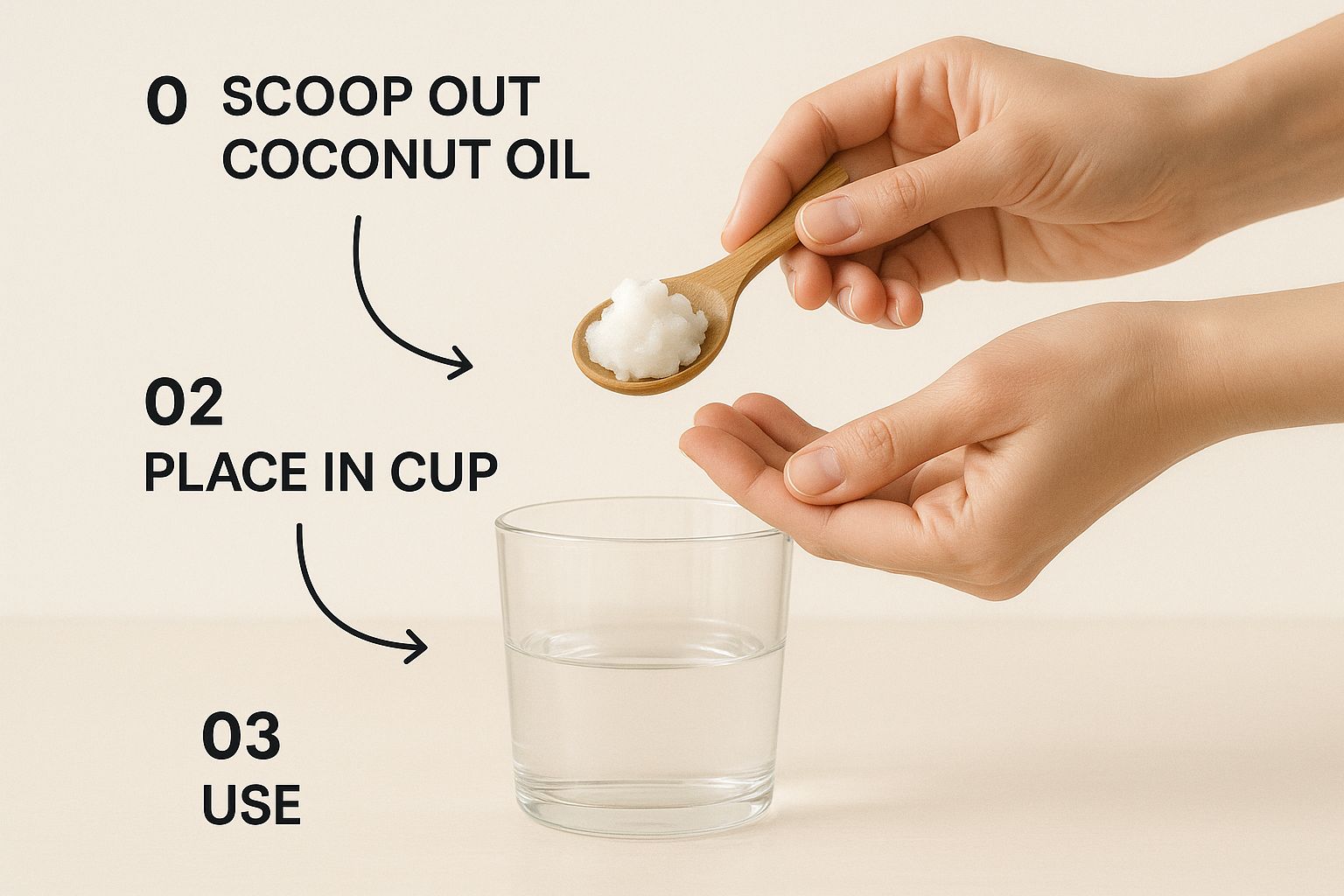
As the image suggests, simple, natural elements can be powerful tools in your oral health toolkit. This concept applies directly to your daily diet. Your goal should be to consume more foods that strengthen your teeth from the inside out.
Nutrient-Dense Foods for Strong Enamel
- Calcium-Rich Foods: Think cheese, plain yogurt, leafy greens like kale and spinach, and almonds. Calcium is the primary mineral component of your teeth and bones.
- Phosphorus-Rich Foods: Found in fish, eggs, and lean meats, phosphorus partners with calcium to build strong enamel.
- Crunchy, Fibrous Vegetables: Carrots, celery, and apples act as nature's toothbrushes. Chewing them stimulates saliva, your body's best defense for washing away acid and food particles.
Building an anti-cavity diet isn't about deprivation; it's about making deliberate choices. When you select foods that nourish your teeth, you are actively building a stronger, healthier smile with every meal.
By focusing on whole, nutrient-rich foods, you’re laying the essential groundwork for a lifetime of excellent dental health.
Master Your Oral Hygiene Routine the Natural Way
When it comes to preventing cavities naturally, your cleaning technique is far more important than the brand of toothpaste you use. The magic lies in the physical act of disrupting the sticky plaque that leads to decay. Mastering this skill provides lifelong benefits.
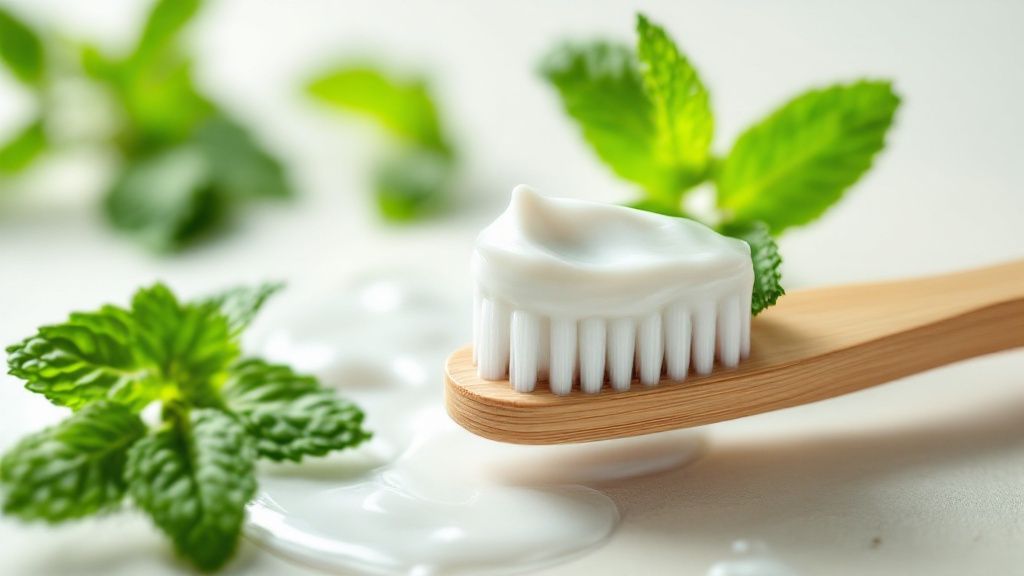
It’s a staggering fact that oral diseases affect billions globally, with untreated tooth decay being the single most common health issue. The good news is that most of it is preventable with a smart, natural hygiene routine. The power of brushing isn't in the foam—it's in the mechanical removal of the biofilm where acid-producing bacteria thrive.
Rethink How You Brush
Simply moving a brush around in your mouth is not enough. Precision and consistency are key.
Start by angling your toothbrush at 45 degrees where your teeth meet your gums. This angle is crucial because it allows the bristles to sweep just beneath the gumline, clearing out hidden plaque.
Instead of scrubbing aggressively, use gentle, circular motions on a few teeth at a time. This is much kinder to your enamel and gums. Ensure you brush for a full two minutes—try timing yourself! A helpful technique is to divide your mouth into four quadrants and devote 30 seconds to each one.
Go Beyond the Toothbrush with These Hygiene Boosters
While brushing and flossing are the foundation, a few natural practices can provide an extra edge for a healthier mouth.
- Oil Pulling: This ancient Ayurvedic technique involves swishing a tablespoon of oil (coconut or sesame are popular) in your mouth for 10-15 minutes. Studies suggest it can help reduce harmful bacteria, including the primary cavity-causing culprit, Streptococcus mutans.
- Tongue Scraping: The film on your tongue is a large colony of bacteria. Using a tongue scraper daily removes this buildup, leading to fresher breath and a cleaner mouth.
- Miswak: Also known as a "chewing stick," miswak is a twig from the Salvadora persica tree, used for centuries as a natural toothbrush. Research confirms its antibacterial properties are effective against plaque.
Of course, these practices supplement, not replace, the basics. A solid routine always includes proper flossing. If you need a refresher, our guide on how to use dental floss can help you perfect your technique.
Your Body's Own Best Mouthwash
You already possess one of the most powerful cavity-fighting tools: your saliva. It's a complex fluid that neutralizes food acids, washes away debris, and delivers minerals like calcium and phosphate to strengthen enamel.
A healthy flow of saliva is your body's built-in, 24/7 defense system against tooth decay. When your mouth is dry, your cavity risk skyrockets.
So, how do you maintain this natural defense? It's simpler than you think. First, stay hydrated by drinking plenty of water throughout the day.
Another effective trick is chewing sugar-free gum containing xylitol. This natural sweetener cannot be processed by cavity-causing bacteria. Chewing it not only stimulates saliva but also starves harmful bacteria, making it an easy and effective way to protect your teeth between brushing.
Lifestyle Habits That Fortify Your Teeth
Your mouth is a window into your overall health. The strength of your teeth often reflects your daily habits, extending beyond diet and brushing. Certain lifestyle choices and key nutrients are critical for building strong teeth from within.

Think of it this way: small, consistent wellness practices accumulate to provide powerful, long-term protection for your entire body, starting with your smile.
Manage Stress to Protect Your Enamel
Stress takes a mental toll, but it also has a physical impact on your teeth. When stressed, many people unconsciously clench their jaws or grind their teeth (bruxism), especially during sleep. This pressure can wear down enamel and cause microfractures, leaving teeth vulnerable to cavities.
Additionally, stress often triggers dry mouth, reducing saliva flow. Without sufficient saliva, acids and bacteria can flourish, significantly increasing your cavity risk.
Managing stress is a form of dental care. Practices like mindfulness, regular exercise, or prioritizing quality sleep can protect your enamel as effectively as brushing.
The Critical Role of Hydration
Staying properly hydrated is non-negotiable for a healthy mouth. Water is the main component of saliva, your body’s natural rinse cycle against tooth decay.
Even mild dehydration causes saliva production to drop, creating the dry, acidic environment where cavity-causing bacteria thrive.
Make a habit of sipping water all day, not just when you feel thirsty. This simple act keeps saliva flowing, which helps:
- Neutralize damaging acids from food and drinks.
- Wash away food debris before bacteria can consume it.
- Deliver essential minerals like calcium and phosphate to your tooth surfaces.
Build Resilient Teeth from Within
The nutrients you consume provide the raw materials your body needs to build and maintain strong teeth. These vitamins and minerals are the internal support system for your smile.
For instance, understanding the role of Vitamin D in strengthening teeth is a game-changer for long-term dental health. Vitamin D enables your body to absorb the calcium you consume. Without it, that calcium cannot be used to fortify your enamel.
Here are the key nutrients to focus on for tougher teeth:
- Vitamin D: Crucial for calcium absorption. Get it from sunlight, fatty fish, and fortified foods.
- Vitamin K2: Works with Vitamin D to direct calcium to your bones and teeth.
- Calcium: The primary building block of tooth enamel. Dairy, leafy greens, and almonds are excellent sources.
- Magnesium: Essential for proper calcium absorption and the formation of strong enamel crystals.
By integrating these holistic wellness practices into your daily life, you create a powerful, multi-layered defense system that protects your teeth from every angle.
Natural Remedies and Supplements for Oral Health
While diet and daily hygiene are the cornerstones of cavity prevention, certain natural remedies and supplements can provide an extra advantage. Think of these as targeted support, helping to fight harmful bacteria or prevent plaque from forming.
It's interesting to note that global cavity rates have declined in many developed nations, a trend attributed not just to fluoride but to a combination of better hygiene, smarter food choices, and preventive strategies. For those curious about the numbers, you can explore data on cavity prevention insights.
Harnessing the Power of Green Tea
A comforting cup of green tea does more than relax you—it's loaded with compounds called catechins that are excellent for your teeth. These natural antioxidants possess antibacterial properties that target Streptococcus mutans, the primary culprit behind tooth decay.
Catechins make it harder for this bacteria to adhere to tooth enamel, which means less plaque buildup. A simple, unsweetened cup of green tea each day can make a difference. For a more direct application, you can even use cooled green tea as a natural mouth rinse after brushing.
Xylitol: A Sweet Solution to Cavities
Xylitol is a natural sugar alcohol that looks and tastes like sugar but has the opposite effect on your oral health. Cavity-causing bacteria cannot metabolize xylitol for energy. When they attempt to consume it, their acid production shuts down, and they essentially starve.
Consistent use of xylitol doesn't just neutralize a threat—it actively shifts your oral microbiome toward a healthier, less acidic state, making your mouth a less hospitable environment for decay.
Incorporating xylitol is simple. Chewing gum or using mints sweetened with xylitol after a meal is an excellent strategy. It stimulates saliva flow, which helps neutralize acids and wash away food particles. Just check the label—for maximum benefit, xylitol should be listed as the first ingredient.
Licorice Root for Targeted Protection
This isn't about sugary candy. We're referring to specific compounds in dried licorice root called licoricidin and glabridin. Research has shown these are highly effective at killing the bacteria that cause cavities.
These potent antibacterial agents can disrupt the biofilm that plaque creates and inhibit new bacteria from colonizing your teeth. You can find licorice root extract in some specialty toothpastes and herbal mouth rinses, offering a powerful, focused way to enhance your natural cavity prevention routine.
Answering Your Questions About Natural Cavity Prevention
When exploring natural ways to keep your teeth healthy, it's common to have questions. Let's address some of the most frequent ones to help you feel confident in your approach.
Can You Really Reverse a Cavity Naturally?
This is a key question, and the answer depends on the stage of decay.
If you catch it in the earliest phase—what dentists call demineralization—then yes, reversal is possible. At this stage, the enamel has lost minerals and weakened, but a physical hole has not yet formed. By focusing on a nutrient-dense diet, meticulous oral hygiene, and staying hydrated, you can help your teeth remineralize and essentially heal themselves.
However, once decay penetrates the enamel and creates a hole, the situation changes. A true cavity cannot be "regrown" with natural methods alone. At that point, a dentist must remove the decay and place a filling to prevent it from worsening. Early detection is crucial.
If I'm Doing All This, Do I Still Need to See a Dentist?
Yes, absolutely. Think of your natural prevention routine as your daily training and your dentist as your expert coach. They work together; one does not replace the other.
Even with the best at-home care, a dentist can identify issues you can't see, such as tiny problems between teeth or concerns below the gum line.
Furthermore, professional cleanings are the only way to remove hardened plaque, or calculus. No amount of brushing or flossing at home can eliminate it once it has formed. Regular checkups are your best strategy for catching problems early and maintaining long-term oral health.
How Does This Compare to Using Fluoride?
This isn't an "either/or" scenario. Natural prevention and fluoride address the problem from different yet complementary angles.
- Natural Methods: This holistic strategy focuses on building strong, resilient teeth from the inside out through good nutrition, maintaining a healthy oral microbiome, and physically removing plaque. The goal is to create an entire oral environment where cavities struggle to form.
- Fluoride: This works topically on the tooth surface. It makes enamel more resistant to acid attacks and aids in the remineralization process.
Many find that the most powerful defense is a combination of both: building a strong foundation with natural habits and adding the targeted protection of fluoride. To learn more, check out our article that explores whether cavities can disappear without visiting a dentist.
At Serena San Diego Dentist, we support your journey to a healthier smile by blending modern dental science with a deep respect for natural, preventive care. Schedule your consultation today, and let's create a personalized plan to keep your smile bright and strong. Visit us at https://serenasandiegodentist.com to learn more.