

Preventing gum inflammation isn't complicated; it's about a powerful yet simple strategy: removing plaque every single day. This means consistent brushing and flossing, supported by smart food choices and regular visits to your dental hygienist. This three-part approach stops the bacterial buildup that causes irritation, redness, and swelling, setting the stage for lifelong gum health.
Understanding Gum Inflammation and Its Impact
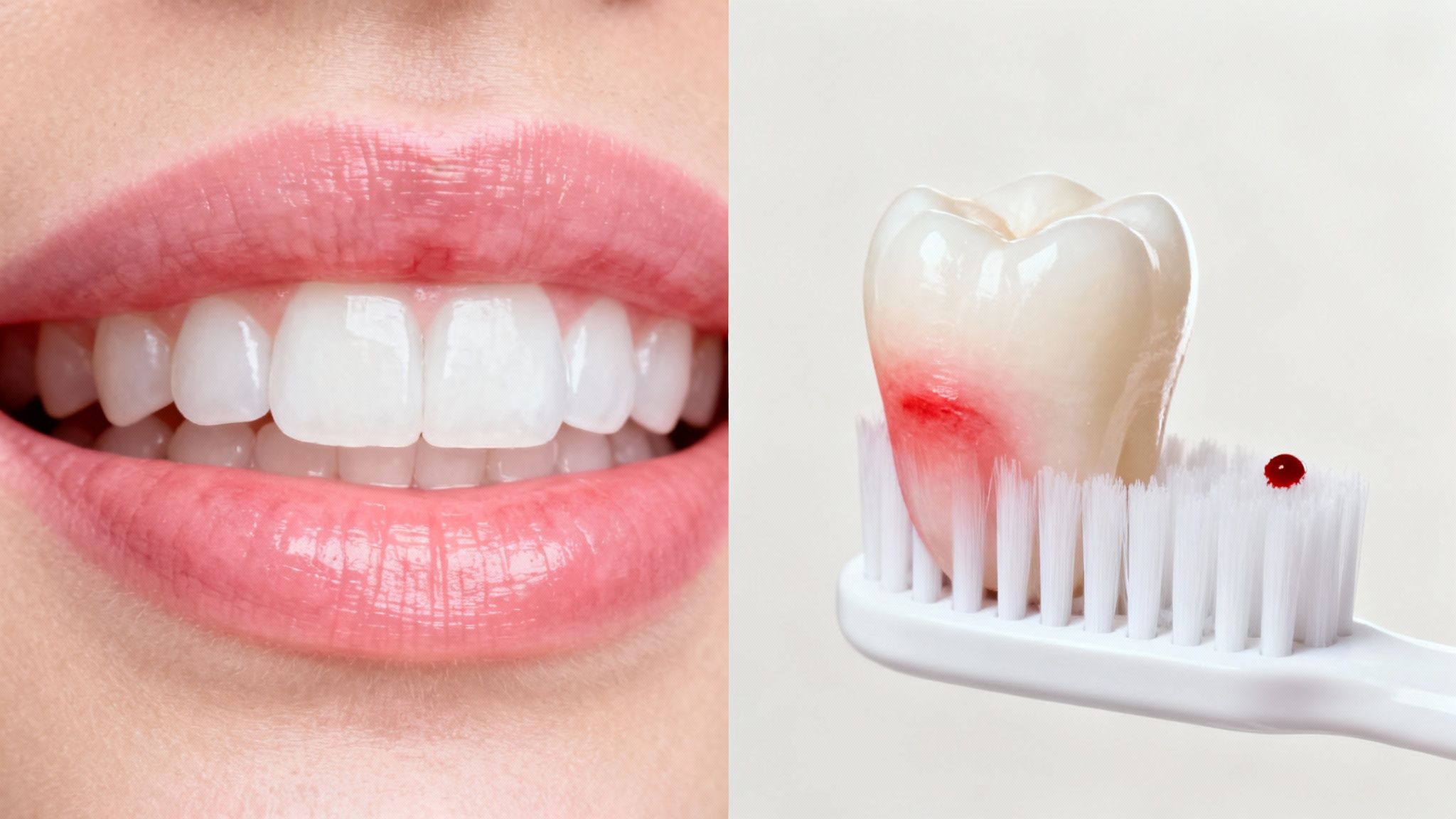
Have you ever noticed a little pink in the sink after brushing and simply shrugged it off? It’s a common experience, but that small sign is often the first clue you're dealing with gum inflammation, known as gingivitis. Think of it as your body's alarm system, warning you about an unwelcome visitor: plaque.
Plaque is the sticky, clear film of bacteria constantly trying to set up camp on your teeth. If not removed, it irritates your gums, leading to the classic signs of gingivitis:
- Redness and swelling: Healthy gums should be pale pink and fit snugly around your teeth. Inflamed gums become puffy and can turn a dark red or even purplish color.
- Bleeding when you brush: This is perhaps the most common symptom people overlook. Your gums should never bleed from gentle brushing or flossing.
- Tenderness or sensitivity: While not always painful, inflamed gums can feel sore to the touch.
Why You Can't Ignore the Early Signs
Brushing off these early warnings allows gingivitis to progress into a much more serious condition. It's a widespread problem—more than 42% of adults over 30 have some form of gum disease, and the rates are even higher among teenagers.
When plaque remains on the teeth, it hardens into tartar, a rough, cement-like substance. This tartar provides more surface area for bacteria to thrive, worsening the inflammation. This is the pathway to periodontitis, a severe infection that doesn't just damage your gums—it destroys the bone supporting your teeth. At this stage, understanding how to reverse periodontal disease becomes crucial.
Preventing gum inflammation isn't just about avoiding a painful dental procedure. It's an investment in your total health. Your mouth is the gateway to the rest of your body, and its health is more connected than you might think.
Recognizing that periodontitis can be ruining your oral health provides the motivation you need. By taking proactive steps to stop inflammation, you protect your smile from its very foundation.
To put it all together, here’s a quick overview of the core strategies we'll be covering.
Three Pillars of Gum Inflammation Prevention
| Prevention Pillar | Key Actions | Why It's Important |
|---|---|---|
| Daily Oral Hygiene | Brushing twice a day, flossing daily, using the right techniques. | Consistently removes the plaque that causes inflammation in the first place. |
| Diet and Lifestyle | Eating a balanced diet, limiting sugary foods/drinks, avoiding tobacco. | Reduces the fuel for harmful bacteria and supports your body's immune response. |
| Professional Dental Care | Regular check-ups and cleanings every 6 months. | Removes hardened tartar that you can't get at home and catches problems early. |
These three pillars work together to create a powerful defense against gum disease, keeping your smile healthy and strong.
Building a Powerful Daily Oral Hygiene Routine
https://www.youtube.com/embed/WviE5aa5Ha0
When you're trying to figure out how to prevent gum inflammation, it all comes down to your daily habits. Brushing and flossing are second nature for most of us, but the real magic is in the how. It’s about moving beyond the motions and adopting a routine that truly demolishes plaque where it loves to hide—right along the gumline.
A solid daily routine isn't about scrubbing harder; it's about brushing smarter. This commitment is the most effective way to keep your gums healthy, pink, and firm.
Perfecting Your Brushing Technique
The purpose of brushing is to remove plaque from the tooth surface and, just as importantly, from the small pocket between the tooth and the gum. That’s ground zero for gingivitis. To do this effectively, most dental professionals recommend the Bass technique.
Here’s the simple breakdown:
- Get the Angle Right: Position your toothbrush at a 45-degree angle to your gums. The bristles should point slightly up for your top teeth and slightly down for your bottom teeth, aimed right where the tooth meets the gum.
- Keep It Gentle: Use short, gentle, back-and-forth strokes. Aggressive brushing can wear down your enamel and irritate your gums over time.
- Be Meticulous: Don’t forget any surfaces—clean the outer, inner, and chewing sides of every tooth. The entire process should take at least two full minutes. Time yourself; you might be surprised at how short your current routine is.
And please, use a soft-bristled toothbrush. This is non-negotiable. Medium or hard bristles are too abrasive and can cause gum recession and sensitivity—the exact opposite of what we want.
Flossing The Right Way
Flossing physically removes plaque and food particles from between your teeth, where a toothbrush can't reach. But doing it incorrectly can be almost as bad as not doing it at all. The key is to be gentle yet thorough.
Tear off about 18 inches of floss. Wrap most of it around one middle finger, leaving a small amount for the other to take up the used floss. Gently guide the floss between your teeth with a soft rubbing motion. Once you reach the gumline, curve the floss into a C-shape against one tooth and slide it gently into the space between the gum and the tooth. Go until you feel slight resistance, but never snap it down, as this can bruise or cut your delicate gum tissue.
For a deeper look into different types and techniques, you might find our guide on how to use dental floss effectively very helpful.
The Role of Antimicrobial Mouthwash
Brushing and flossing are the undisputed champions of oral hygiene, but adding an antimicrobial mouthwash can provide a significant advantage. Experts agree that you should brush twice a day with fluoride toothpaste. However, some studies have shown that a quality antimicrobial rinse can be as effective—or even more so—than flossing at keeping gingivitis in check.
Certain ingredients, like chlorhexidine, have been proven to reduce plaque by up to 55% and decrease gum inflammation by 30-45%. That's a huge boost to your efforts.
Think of mouthwash as a powerful supplement, not a replacement for brushing and flossing. It reaches all the nooks and crannies to kill bacteria and lowers the overall bacterial count in your mouth, giving your gums an extra shield of protection.
How Your Diet and Lifestyle Affect Your Gums
A solid oral hygiene routine is your best defense, but don't underestimate what's happening internally. What you eat and how you live have a massive impact on your gum health. I often tell my patients to think of their gums as a window into their body's overall wellness. The right fuel strengthens them, while some common habits can quickly weaken their defenses.
Sugary foods and simple carbohydrates are public enemy number one for your gums. They are essentially a buffet for harmful bacteria in your mouth. As these bacteria feast, they produce acids that directly irritate your gum tissue, leading to inflammation. Grazing on sugary snacks all day just keeps that acid-producing party going.
Foods That Fight for Your Gums
On the other hand, you can eat your way to healthier gums. Think of these foods as your nutritional allies, working from the inside out to keep your gums tough and resilient.
- Crunchy Fruits and Veggies: Apples, carrots, and celery are excellent. Their fibrous texture physically scrubs plaque from your teeth as you chew—like a mini-toothbrush with every bite. Plus, the extra chewing stimulates saliva flow, your body’s natural mouthwash.
- Vitamin C Powerhouses: Load up on citrus fruits, strawberries, and leafy greens. They are packed with Vitamin C, a nutrient essential for producing collagen, the protein that keeps your gum tissue firm and strong.
- Calcium-Rich Foods: Items like milk, yogurt, and more leafy greens provide the calcium needed for strong teeth and jawbones—the very foundation your gums are built on.
Incorporating these foods into your meals gives your body the raw materials it needs to fight off the early signs of gingivitis and maintain a healthy mouth.
Lifestyle Choices That Weaken Gum Defenses
What you do every day matters just as much as what you eat. It's a sobering fact, but over 47% of American adults aged 30 and older have some form of gum disease, and lifestyle habits are a huge part of that puzzle. If you want to dig into the numbers, you can explore detailed statistics on gum disease prevalence.
Smoking is one of the most significant risk factors for developing gum disease. It weakens your immune system, making it much harder for your body to fight off gum infections. It also restricts blood flow to your gums, which slows healing and can mask early warning signs like bleeding.
Beyond just your diet, it’s critical to understand the full spectrum of health risks of smoking cigarettes to see how deeply it affects your entire body, starting with your mouth. Quitting is, without a doubt, one of the best things you can do for your gums.
Chronic stress is another sneaky culprit. When you're constantly stressed, your body produces cortisol, a hormone that increases inflammation everywhere—including your gums. Finding a healthy way to manage stress, whether through exercise, meditation, or a hobby, is not just good for your mental health; it's essential for your physical health, right down to your smile.
Choosing the Right Tools to Protect Your Gums
Ever feel overwhelmed in the dental care aisle? With countless options, it's tough to know which toothbrush, floss, or rinse will effectively prevent gum inflammation. The secret isn't a magical, one-size-fits-all product. It's about building a personal toolkit that you'll actually use every single day.
The right tools don't just clean better—they make the whole process easier. That consistency is what truly prevents plaque buildup and keeps your gums in great shape.
Upgrading Your Toothbrush
Your toothbrush is your first line of defense, so let's start there. While you can achieve a good clean with a manual brush and proper technique, I've found that most people get a far superior clean with less effort using an electric model.
Manual Toothbrushes: These are the classic standbys—affordable and accessible. The catch? Their effectiveness is 100% dependent on you and your brushing technique. It's also vital to remember why we should change our toothbrush every 3 months, as worn-out bristles cannot remove plaque effectively.
Electric Toothbrushes: These powerhouses do the hard work for you. Models with oscillating-rotating heads (which spin back and forth) or sonic technology (which vibrate at high speeds) are clinically proven to remove more plaque. Most also have a built-in two-minute timer, ensuring you brush long enough.
For anyone serious about preventing gum issues, an electric toothbrush is a fantastic investment. The consistent motion is simply better at breaking up the sticky plaque film where it matters most—along the gumline.
Beyond Traditional Floss
Flossing is absolutely non-negotiable, but that doesn't mean you have to use traditional string floss. For many people, especially those with braces, bridges, or very tight teeth, other tools can make cleaning between teeth much less of a chore.
The real goal here is simple: clean between your teeth every single day. Finding a tool you don't mind using is far more important than forcing yourself to use a method you hate.
Here are a couple of excellent alternatives to consider:
Water Flossers: These devices shoot a targeted stream of water to blast away plaque and food debris from between teeth and below the gumline. They're a game-changer for anyone with sensitive gums or complex dental work.
Interdental Brushes: Think of these as tiny pipe cleaners for your teeth. They are designed to slide into the spaces between teeth and are excellent for cleaning larger gaps or around braces.
To help you decide what's best for your routine, here's a quick comparison of the most common tools.
Oral Hygiene Tool Comparison
| Tool | Best For | Pros | Cons |
|---|---|---|---|
| Manual Toothbrush | Budget-conscious users, travelers | Inexpensive, widely available, no charging needed | Effectiveness depends entirely on user technique |
| Electric Toothbrush | Anyone seeking a superior clean with less effort | More effective plaque removal, built-in timers, pressure sensors | Higher initial cost, requires charging/batteries |
| String Floss | Tightly spaced teeth, traditionalists | Affordable, effective at scraping plaque, reaches tight spots | Can be difficult to handle, may irritate sensitive gums |
| Water Flosser | Braces, bridges, implants, sensitive gums | Easy to use, gentle on gums, cleans hard-to-reach areas | Can be messy, requires electricity and counter space |
| Interdental Brush | Wider gaps between teeth, braces | Very effective for larger spaces, easy to maneuver | Not suitable for very tight contacts, needs replacing |
Ultimately, the best tool is the one that fits your mouth, your lifestyle, and your budget. Don't be afraid to experiment to find the combination that makes your daily oral hygiene routine feel effortless.
This visual guide breaks down how various lifestyle choices connect directly to your gum health, helping you make smarter decisions every day.
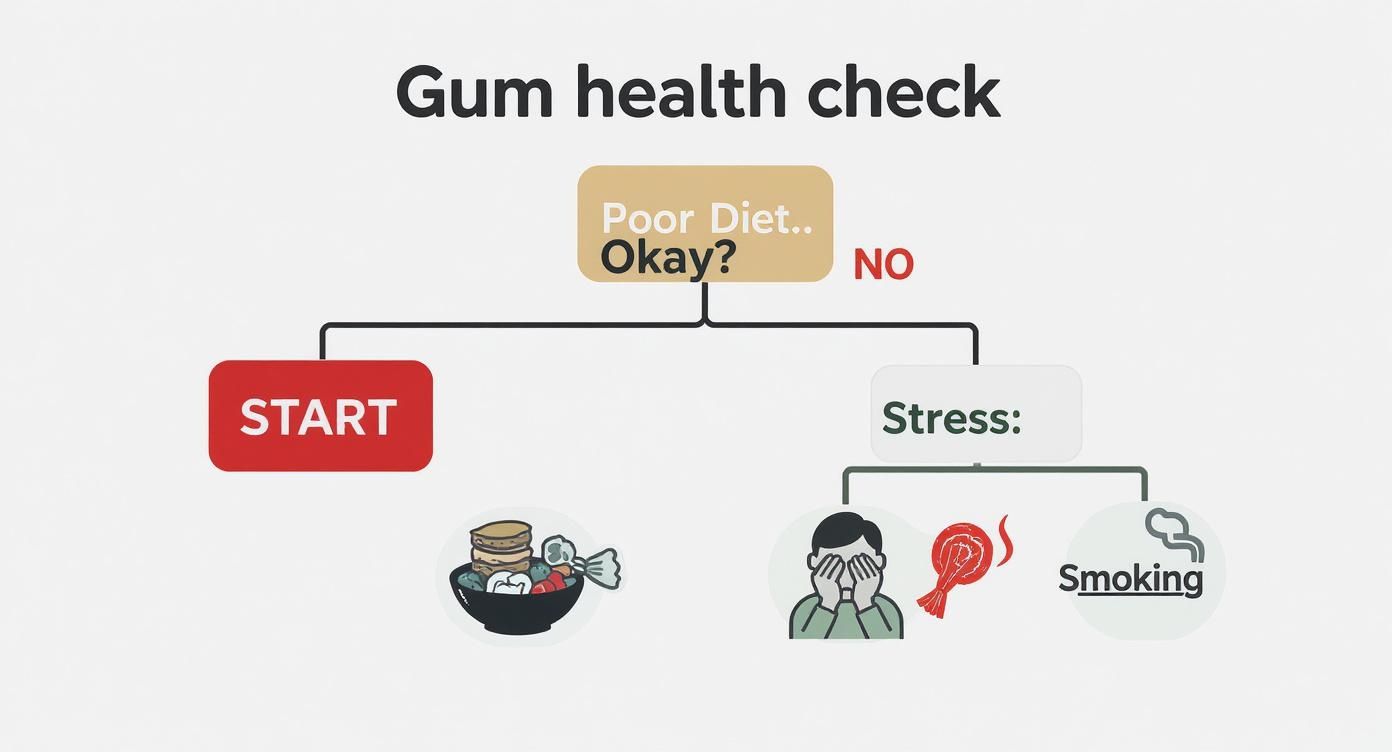
As the infographic illustrates, habits like a poor diet, high stress, and smoking are direct pathways to gum problems. It's a clear reminder that keeping your gums healthy involves more than just brushing and flossing—it encompasses your entire lifestyle.
Why Professional Dental Cleanings Are Essential
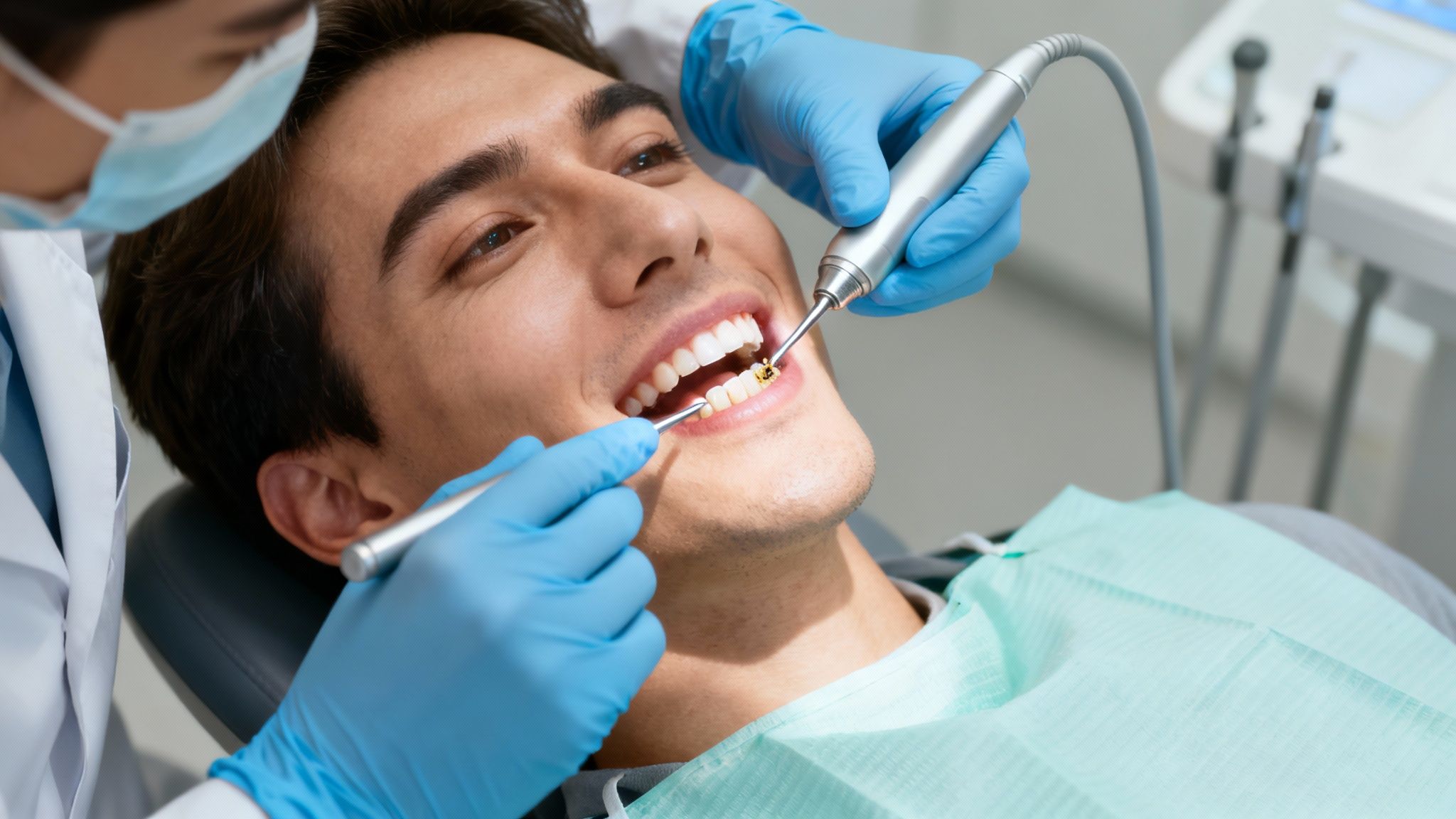
Even with a perfect at-home brushing and flossing routine, there are limitations. Some things your toothbrush just can't handle, and that’s where we come in. Think of professional dental cleanings as calling in the specialists for a deep clean that your everyday tools can't achieve.
The main culprit we target is tartar, also known as calculus. When plaque remains on your teeth for too long, it hardens into a tough, mineralized deposit, especially along the gumline. Once it's there, no amount of brushing will remove it—it requires a hygienist's special instruments.
What Happens During a Professional Cleaning
During your appointment, the dental hygienist will carefully remove all that stubborn tartar from your teeth, both above and, crucially, below the gumline. This process is called scaling. It's so important because tartar's rough surface attracts even more plaque and bacteria, creating a cycle of irritation that leads directly to gingivitis.
After scaling, we polish your teeth. This isn't just for a brighter smile; polishing smooths the tooth surfaces, making it much harder for new plaque to attach. It’s like giving your teeth a fresh start.
A professional cleaning is more than just a cleanup. It's a critical diagnostic visit. Your dental team is trained to spot the earliest, most subtle signs of gum inflammation that you might easily miss at home.
Catching these problems in their earliest stages is the secret to simple, effective treatment and preventing more serious issues before they even begin.
The Role of the Periodontal Exam
A key part of your routine visit is the periodontal exam. It’s a quick and painless check where your dentist or hygienist uses a tiny ruler, or probe, to measure the space between your teeth and gums. We call these spaces "pockets."
Healthy gum pockets are shallow, typically measuring between 1 to 3 millimeters. If we find deeper pockets, it can be a red flag that gum disease is starting to progress.
This quick exam gives us a clear map of your gum health and allows us to create a personalized care plan. For most adults, we recommend a professional cleaning and exam every six months. If you have a history of gum trouble, we might suggest more frequent visits—perhaps every three or four months—to stay ahead of any inflammation.
This proactive care is truly the foundation of a healthy smile that lasts a lifetime. You can learn more about what the process involves in our guide to getting a professional dental cleaning in San Diego.
Got Questions About Preventing Gum Inflammation?
It's one thing to read about a plan for preventing gum inflammation, but another to put it into practice. You're bound to have some questions pop up. Let's walk through some of the most common ones we hear from our patients every day.
Can Gum Inflammation Actually Be Reversed?
Yes, absolutely—as long as you catch it early. In its first stage, gingivitis, gum inflammation is 100% reversible. The initial redness, swelling, and bleeding you might see is your body's alarm system responding to plaque buildup.
Once you commit to daily brushing and flossing and come in for a professional cleaning to remove any hardened tartar, your gums can return to perfect health, often in just a couple of weeks. The key is consistency. If gingivitis is left untreated, it can advance to periodontitis, which involves bone loss—and that, unfortunately, is permanent damage.
How Long Until I See My Gums Getting Healthier?
You’ll be happy to hear that you don’t have to wait long to see progress. With a dedicated daily routine, most people start to notice a real difference within just one to two weeks.
The first sign is usually less bleeding when you brush or floss—a huge win! Shortly after, you'll see the puffiness subside and the angry red color fade as your gums become firmer and healthier. It might take a little more time for the inflammation to disappear completely, but seeing those quick improvements is great motivation to stick with your new habits.
Key Takeaway: You can often see a noticeable improvement in your gum health within 7-14 days of dedicated care. Consistent action quickly calms inflammation and reduces bleeding, which makes it easier to keep up the good work.
Are Electric Toothbrushes Really Better Than Manual Ones?
This is a great question. While you can certainly do a good job with a manual toothbrush if your technique is flawless, extensive research shows that electric toothbrushes are simply more effective at removing plaque. Models that oscillate and rotate, or use sonic vibrations, are especially good at reducing gingivitis.
Think of it this way: an electric toothbrush delivers thousands of perfect brush strokes every minute, something that's impossible to match by hand. They are a game-changer for people who have trouble with dexterity, or for anyone who just wants to be sure they're getting the best clean possible.
If I Use a Good Mouthwash, Do I Still Have to Floss?
I can't stress this enough: yes, you absolutely still need to floss. Mouthwash and floss perform two completely different jobs, and both are essential for healthy gums.
- Flossing is a physical, mechanical process. It scrapes away the sticky plaque and food particles wedged between your teeth and just under the gumline where your brush can't reach.
- Mouthwash is a chemical process. It rinses your entire mouth, killing bacteria and helping to reduce the overall plaque level.
Skipping floss and only using mouthwash is like trying to wash a dirty plate by just swishing water over it. You might rinse away loose crumbs, but you're not removing the grime that's really stuck on. For total protection, they must work as a team.
At Serena San Diego Dentist, we’re firm believers that knowledge is power when it comes to your oral health. Understanding how to prevent gum inflammation is the foundation for a healthy smile that lasts a lifetime. If more questions come up or you're ready to get a professional cleaning to boost your efforts at home, we're here for you.
Schedule your appointment today and take control of your gum health!