

It can be unsettling to spit in the sink after brushing and see a tinge of pink. But there's no need to panic. Knowing a few simple, immediate steps can help you get the situation under control quickly and start your journey back to gum health.
Your First-Aid Guide for Bleeding Gums
Catching sight of blood after you brush or floss is your body's way of sending up a flare. It’s a sign that your gums need a little extra attention. While it’s rarely a major emergency, knowing how to handle it in the moment gives you control and helps prevent making things worse. The key is to stay calm and use gentle, effective methods to stop the bleeding and soothe your gums.
Applying Gentle Pressure the Right Way
The most straightforward way to stop any minor bleeding is with direct pressure. Find a clean piece of sterile gauze or even a clean washcloth, dampen it with cool water, and fold it into a small pad.
Now, place it directly over the spot that's bleeding and hold it there with steady but gentle pressure. You don't want to push too hard, as that could irritate the tissue more. Just hold it firmly in place for a good 10-15 minutes. This simple step gives your body the time it needs to form a natural clot.
If you don't have gauze, a damp black tea bag works surprisingly well in a pinch. The tannins in the tea act as a natural astringent, helping to constrict the blood vessels and slow the bleeding.
Cool Things Down with a Cold Compress
Is there a little swelling or tenderness along with the bleeding? A cold compress is your best friend. Just wrap a few ice cubes or a small ice pack in a thin towel.
Hold the compress on the outside of your cheek, right where the gums are bleeding, for about 10 minutes at a time. The cold helps shrink the blood vessels, which slows down the bleeding. Plus, it just feels soothing and can take the edge off any discomfort.
Pro Tip: Never put ice directly on your gums. The extreme cold can damage the delicate tissue. Always wrap it in a cloth.
Try a Soothing Saltwater Rinse
After the bleeding has stopped, rinsing with warm salt water is a fantastic way to clean the area and promote healing. It’s a natural disinfectant that helps reduce bacteria without the harsh sting of an alcohol-based mouthwash.
Making it is easy:
- Mix half a teaspoon of salt into a glass of warm water until it dissolves.
- Swish it around your mouth gently for about 30 seconds, focusing on the affected gum area.
- Spit it out, and avoid rinsing with regular water right after.
You can do this rinse two or three times a day, especially after eating, to keep your mouth clean while your gums recover.
These immediate care steps are great for occasional, minor bleeding. But if it's happening regularly, it's often a sign of something more. Knowing how to handle more serious situations is key, and you can learn more about managing common dental emergencies on our site.
Getting to the Root of Bleeding Gums
https://www.youtube.com/embed/N5kkdqOWg-0
Seeing blood in the sink after you brush can be alarming. While it’s easy to dismiss it as a minor issue, your body is sending a clear signal that something isn't right. Figuring out why your gums are bleeding is the first real step toward getting your oral health back on track.
More often than not, the primary culprit is gingivitis. This is the earliest, and thankfully, most reversible stage of gum disease. It all starts with plaque—that sticky, bacterial film that builds up on your teeth, especially along the gumline. If it isn't removed, it irritates the gum tissue, leading to inflammation. Your gums might look red, feel swollen, and bleed easily when you brush or floss.
If that initial inflammation isn’t managed, gingivitis can progress into a much more destructive condition: periodontitis. At this stage, the infection has moved beneath the gumline, where it starts to attack the bone and connective tissues that anchor your teeth. This is serious—it can cause your gums to pull away from your teeth, leading to loose teeth and even tooth loss.
More Than Just Gum Disease
While gingivitis is the usual suspect, it’s not the only reason for bleeding gums. Sometimes, the cause is a little less obvious.
- Brushing Too Hard: Are you scrubbing your teeth like you’re cleaning the floor? Using a hard-bristled brush or applying too much pressure can easily damage your delicate gum tissue and cause bleeding. Your technique is just as important as your consistency.
- A New Flossing Habit: If you’ve just committed to flossing after a long hiatus (good for you!), you might notice a bit of bleeding for the first week or so. This is quite normal as your gums get used to the attention. It should clear up as they become healthier.
- Vitamin Deficiencies: Your diet plays a huge role in your gum health. A lack of Vitamin C, which is vital for tissue repair, or Vitamin K, which helps your blood clot properly, can make your gums far more prone to bleeding.
- Hormonal Shifts: Life events like puberty, pregnancy, and menopause cause significant hormonal fluctuations. These changes can increase blood flow to your gums, making them extra sensitive and more likely to swell and bleed.
The Connection to Medications and Overall Health
What you put in your body matters, and that includes medications. Blood thinners, for example, do exactly what their name implies, which can make a little bit of gum irritation bleed a lot more than it otherwise would. Other medications, like certain blood pressure drugs or anticonvulsants, can also have bleeding gums as a known side effect.
It's crucial that you never change or stop a prescribed medication on your own. Instead, make sure your dentist has a current list of everything you take. This information helps us understand the full picture and tailor your care accordingly.
Bleeding gums are a common sign of periodontal disease, a condition that affects a staggering number of adults worldwide. In fact, nearly 45% of adults over 30 have some form of gum disease, and that number jumps to about 70% for seniors.
Knowing the difference between early-stage gingivitis and the serious threat of periodontitis is essential for protecting your teeth for the long haul. We take a closer look at this in our guide on gum disease and its threat to your teeth. Once we identify exactly what's causing your gums to bleed, we can create a targeted plan to stop it for good and keep your smile healthy for years to come.
Building a Daily Routine for Healthy Gums
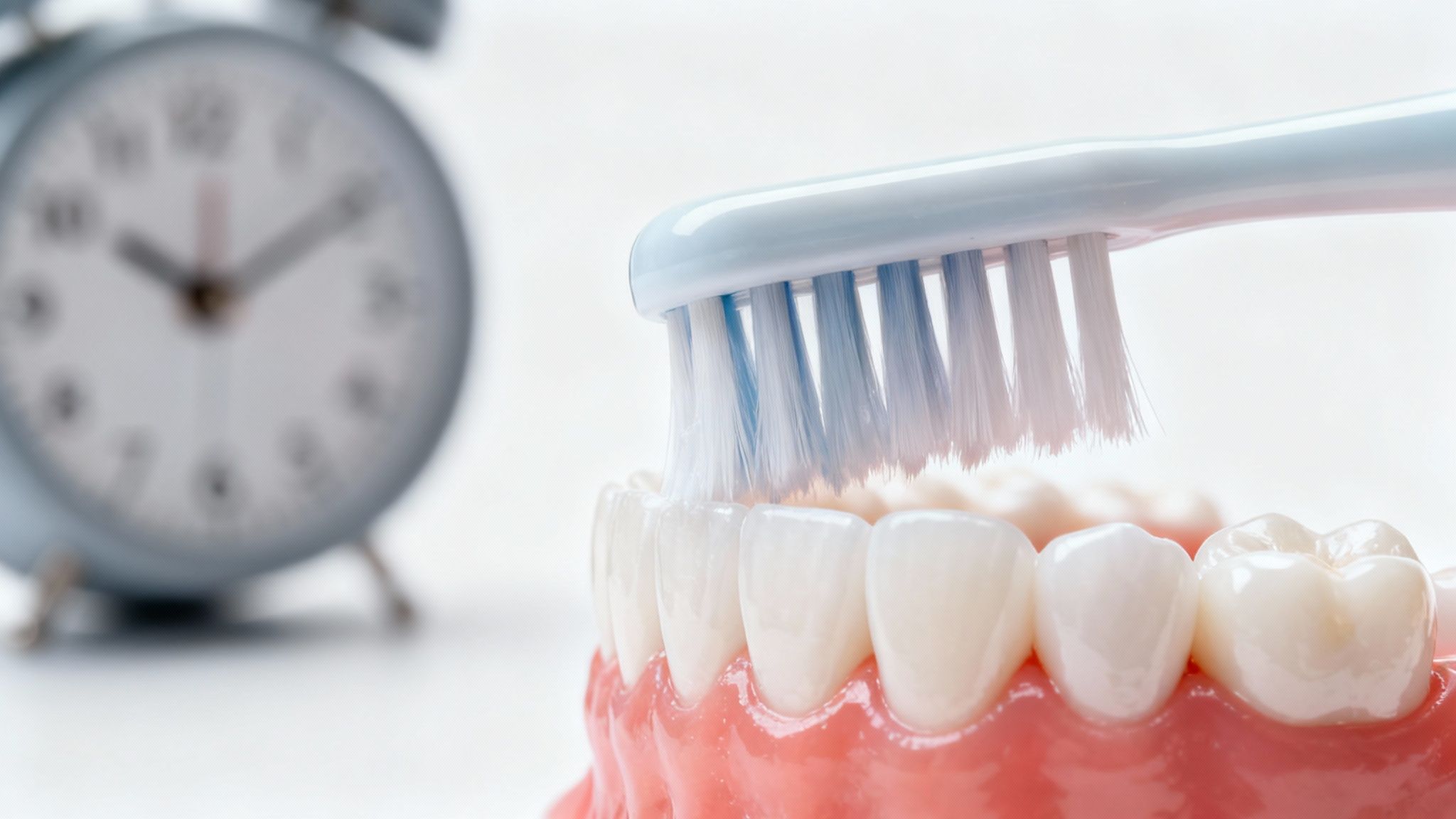
While it’s good to know how to handle bleeding gums in the moment, the real goal is to prevent them from starting in the first place. Lasting gum health isn’t about quick fixes; it's about building consistent, daily habits that keep plaque and bacteria from ever gaining a foothold.
A proactive routine is your best defense. Think of it like maintaining a garden—you can't just pull a few weeds once and expect a perfect lawn. Your gums need that same kind of dedicated, daily attention to stay healthy and thrive.
Mastering Your Brushing Technique
The cornerstone of any great oral care routine is brushing correctly. It’s not just about going through the motions; the right technique makes all the difference. Many patients brush too hard or miss critical areas, which ironically, can make gum problems worse.
Here’s how to brush for optimal gum health:
- Angle is Everything: Always use a soft-bristled toothbrush. Hold it at a 45-degree angle to your gums. This specific angle is key—it lets the bristles gently sweep away plaque from just beneath the gumline, where irritation starts.
- Gentle, Circular Motions: Forget aggressive back-and-forth scrubbing. Instead, use short, gentle, circular strokes to clean both the outer and inner surfaces of your teeth. This approach effectively removes plaque without damaging your delicate gum tissue.
- Two Minutes, Twice a Day: This is the gold standard for a reason. Set a timer to make sure you're brushing for a full two minutes. Anything less means you're leaving behind plaque that will quickly harden into tartar.
A common mistake is thinking a harder brush or more pressure equals a better clean. The truth is, a soft-bristled brush used with the correct technique is far more effective and infinitely safer for your gums.
The Art of Effective Flossing
If you're not flossing, you're missing about 35% of your tooth surfaces. That’s a huge amount of space for plaque to build up and cause trouble between your teeth and along the gumline.
Start with about 18 inches of floss. Wind most of it around one middle finger and just a little around the other, leaving an inch or two to work with. Gently guide the floss between your teeth with a careful rubbing motion.
Here’s the most important part: once the floss hits the gumline, curve it into a "C" shape against one tooth. Slide it gently into the space between the gum and the tooth until you feel light resistance. This cleans out the pocket where bacteria love to hide. For a deeper dive, you can explore the different types and techniques of dental floss in our detailed guide.
Expanding Your Oral Hygiene Toolkit
Sometimes, traditional floss isn’t the perfect tool for the job, especially if you have braces, bridges, or wider gaps between your teeth. Luckily, you have other excellent options.
- Interdental Brushes: These tiny, cone-shaped brushes are fantastic for cleaning between teeth and getting into tricky spots. They come in various sizes, so you can find the perfect fit for your smile.
- Water Flossers: Also known as oral irrigators, these devices use a pulsating stream of water to flush out plaque and food debris. They're a great addition to your routine, particularly for anyone with sensitive gums.
To help you stay on track, a simple daily checklist can make all the difference. Committing to these small actions every day is what builds a strong foundation for healthy, bleed-free gums.
Daily Gum Health Routine Checklist
| Action Item | Frequency | Key Benefit |
|---|---|---|
| Brush with a soft-bristled brush | Twice a day | Removes plaque from tooth surfaces and gumline. |
| Use proper 45-degree angle | Twice a day | Cleans just below the gumline where bacteria hide. |
| Floss between all teeth | Once a day | Clears away plaque from the 35% of teeth you can't brush. |
| Use an interdental brush or water flosser | Once a day (optional) | Enhances cleaning for hard-to-reach areas or orthodontics. |
| Rinse with a therapeutic mouthwash | Once a day | Reduces bacteria and fights inflammation. |
Making these steps a non-negotiable part of your morning and evening routines is the most powerful way to take control of your gum health for the long term.
The Role of Therapeutic Mouthwash
Finishing your routine with the right mouthwash can give you an extra layer of defense. But not all mouthwashes are the same. Skip the cosmetic rinses that just mask bad breath and choose a therapeutic mouthwash specifically designed to fight plaque and gingivitis.
A multi-pronged approach is always best. Clinical studies have shown that using an antibacterial mouthwash with ingredients like chlorhexidine can significantly reduce gum inflammation by keeping harmful bacteria in check. When you pair this with a diet rich in nutrients like Vitamin K (which helps with blood clotting), you create a powerful strategy for healthy gums.
By committing to this daily routine, you're not just treating symptoms—you're building a defense system that keeps your gums strong and healthy for years to come.
How Your Diet and Lifestyle Affect Your Gums
Your mouth is a window into your overall health. What you do every day—what you eat, how you manage stress—directly impacts your gums. This connection is key to understanding how to stop bleeding gums for good.
It often surprises people to learn that habits outside of brushing and flossing play such a huge role. But these daily choices can either build up your gums' defenses or leave them wide open to inflammation and infection.
The Impact of Smoking on Gum Health
If there’s one habit that truly wrecks gum health, it’s smoking. It actively weakens your immune system, making it much harder for your body to fight off the plaque bacteria that lead to gum disease.
Smoking also chokes off the blood supply to your gums. Without proper circulation, healing slows to a crawl, and what starts as minor irritation can quickly become a serious infection. The reality is that smokers face a much higher risk of severe periodontitis, and even professional treatments don't work as well.
Fueling Your Gums with the Right Nutrients
Think of it this way: the right fuel helps a car run smoothly, and the right foods build strong, healthy gums. A diet packed with certain vitamins and minerals helps your gum tissue stay resilient and repair itself.
Try to get more of these gum-friendly nutrients:
- Vitamin C: Absolutely essential for producing collagen, the protein that keeps your gums firm. You'll find it in citrus fruits, strawberries, bell peppers, and broccoli.
- Vitamin K: This one is crucial for blood clotting. If your gums are bleeding, getting enough Vitamin K from leafy greens like spinach and kale can make a real difference.
- Calcium: We all know it's for strong teeth, but calcium also fortifies the jawbone that anchors them. Dairy, almonds, and fortified plant milks are fantastic sources.
A Key Insight: Crunchy foods like apples, carrots, and celery do double duty. They don't just provide vitamins; the simple act of chewing them physically scrubs your teeth and stimulates your gums, boosting circulation.
Why Sugar Is Your Gums' Enemy
The bacteria that cause plaque are fueled by one thing: sugar. Every time you have a sweet drink or snack, you’re feeding an army of bacteria that pump out acids and toxins, leading straight to inflammation and decay.
Cutting back on sugar is a non-negotiable step. A poor diet can make gum problems much worse, especially if you’re eating a lot of foods that cause inflammation, which can make your gums even more sensitive. Sticking to whole, unprocessed foods gives your mouth—and your whole body—a fighting chance.
The Surprising Role of Stress
Never underestimate what chronic stress does to your body. High levels of the stress hormone, cortisol, can set off an inflammatory response everywhere, including your gums. This leaves them vulnerable to the bacteria that cause gingivitis.
On top of that, when we're stressed, our healthy habits are usually the first thing to go. You might rush through brushing, forget to floss, or reach for comfort foods. Finding a way to manage that stress, whether it's through a walk, meditation, or a hobby you love, is a surprisingly powerful tool for protecting your oral health.
When It's Time to Call Your San Diego Dentist
Excellent home care is the foundation of healthy gums, but there are definitely times when you need to call in a professional. It's one thing to see a touch of pink in the sink for a day or two after committing to flossing again, but persistent bleeding is your mouth’s way of waving a red flag. Ignoring it won't make the problem go away; it just gives it a chance to get worse.
Think of it this way: your gums are sending you a message. At Serena San Diego Dentist, our job is to interpret that message and create a clear, effective plan to get you back to health.
Red Flags That Mean You Need a Dental Visit
Some symptoms are more than a minor annoyance—they're clear signs that it’s time to move past home remedies. If you're experiencing any of these, the underlying issue needs a professional diagnosis from an expert.
- Bleeding that won't quit. If you've been diligent with your brushing and flossing but your gums are still bleeding after 7-10 days, that’s a sign of inflammation that your body can't handle on its own.
- Puffy, red, or receding gums. Healthy gums are firm, pink, and hug your teeth tightly. If they look swollen, have a dark red or purplish tint, or seem to be pulling back from your teeth, that points toward advancing gum disease.
- Bad breath that lingers. A bad taste or smell that brushing and mouthwash can’t fix is often caused by bacteria thriving in deep pockets between your teeth and gums.
- Teeth feel loose or have shifted. This is a serious one. It’s a major sign that the infection has progressed to the point of damaging the bone that holds your teeth in place.
This visual guide can help you sort out the next steps and decide when it's time to get a professional opinion.
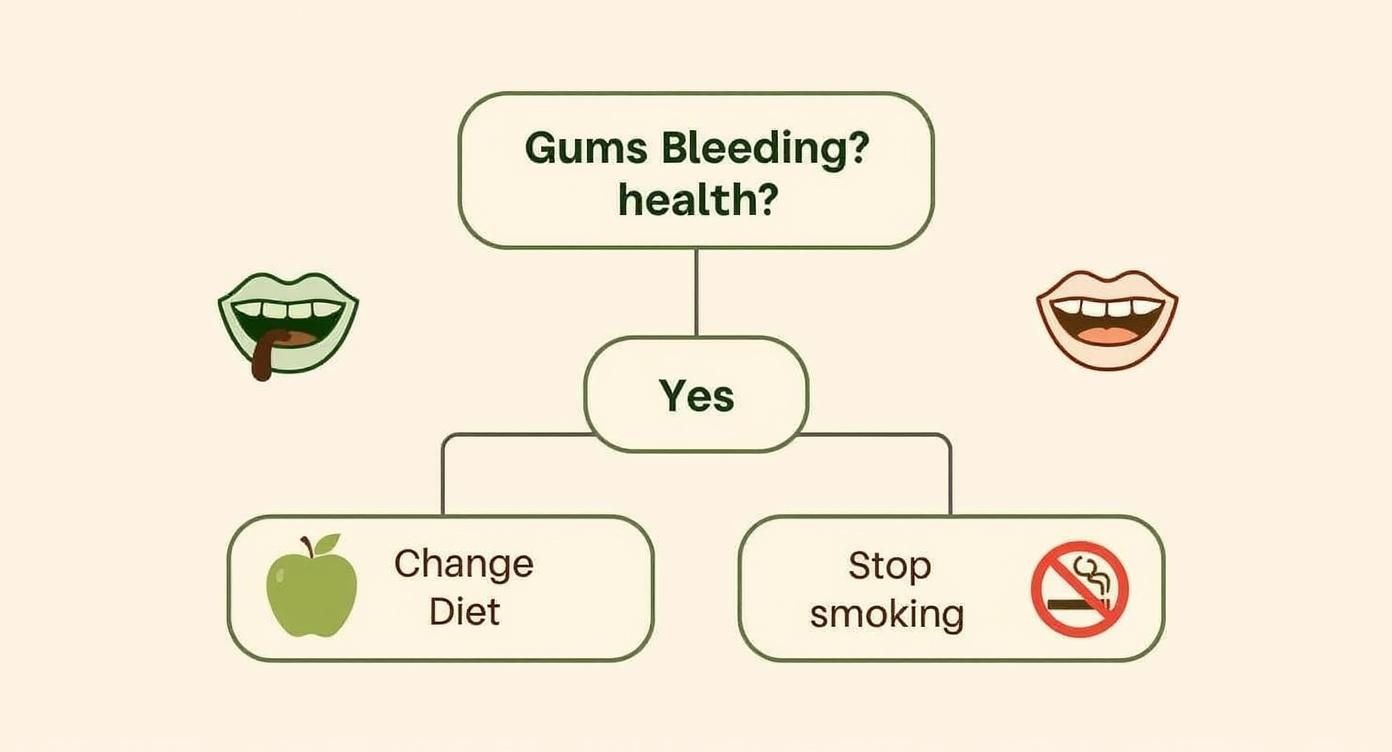
As you can see, lifestyle changes are a huge piece of the puzzle, but ongoing symptoms really do need a professional set of eyes.
What to Expect at Your Appointment
When you come into our San Diego clinic, we'll work together to figure out exactly what’s going on. We know a dental visit isn't everyone's favorite activity, so we make sure you feel comfortable, heard, and informed every step of the way.
We’ll start with a thorough exam, carefully checking your gums, measuring the small spaces (pockets) around each tooth, and looking for any signs of inflammation or bone loss. This detailed look is how we can tell if you're dealing with early-stage gingivitis or something more advanced.
From there, the next step is usually a professional cleaning. Our hygienists are experts at gently removing the hardened plaque—what we call tartar—that you simply can't remove at home. Getting that buildup off is the most important step in allowing your gums to finally heal.
Advanced Treatments for Gum Disease
If we find that the problem has progressed to periodontitis, a standard cleaning won't be enough to resolve it. In these situations, we often recommend a non-surgical treatment called scaling and root planing. Think of it as a deep cleaning that gets below the gumline to clear away tartar from the roots of your teeth.
The process also smooths out the root surfaces, which makes it much harder for new bacteria to get a foothold. This gives your gums a clean slate so they can heal and reattach firmly to your teeth.
Our first priority is always to save your natural teeth and bring your gums back to health with the most conservative and effective treatments available. We’ll discuss every option with you so you can feel completely confident in your care plan.
Making Dental Care Accessible in San Diego
At Serena San Diego Dentist, we believe that everyone deserves to have a healthy smile. That's why we’re proud to accept most major PPO insurance plans, which can help cover the cost of essential treatments like cleanings and periodontal therapy.
If you don't have insurance or prefer to pay directly, we also have several flexible out-of-pocket payment options, including financing plans. Our team is here to help you find a solution that works for your budget, so you never have to put off the care you need to stop bleeding gums for good. Contact us to learn more about your options.
Your Questions About Bleeding Gums, Answered
Even after learning the basics, you probably still have a few specific questions. That’s completely normal. Let's walk through some of the most common things patients ask us here at the clinic.
I Just Started Flossing Again. Is It Normal for My Gums to Bleed?
Yes, this is incredibly common, so don't be alarmed. If you haven't flossed in a while, there's likely a buildup of plaque between your teeth that's irritating your gums and causing inflammation. A little bleeding is their way of telling you they're not used to the attention.
Keep at it. If you floss gently and consistently every single day, you should see the bleeding stop within about a week. But if it's heavy or lasts for more than 10 days, that’s your cue to give us a call and get it checked out.
Can Stress Alone Make My Gums Bleed?
While stress isn't the direct culprit, it's definitely a major accomplice. Think of it this way: chronic stress compromises your immune system. This makes it much harder for your body to fight off the bacteria responsible for gum inflammation (gingivitis).
On top of that, what do we often do when we're stressed? We let good habits slide. We might rush through brushing or skip flossing entirely. This one-two punch of a weakened immune response and poor hygiene is the perfect storm for gum problems. So yes, managing stress is a surprisingly important part of keeping your gums healthy.
Are Electric Toothbrushes Better for Bleeding Gums?
They can be a fantastic tool, especially if you tend to brush too hard. Many electric toothbrushes have built-in pressure sensors that will alert you—or even stop spinning—if you're pressing down too firmly. This is a game-changer for protecting sensitive, inflamed gum tissue from further trauma.
But at the end of the day, the type of brush isn't as important as your technique.
Whether it's manual or electric, what truly matters is using a soft-bristled brush with gentle, circular motions angled at 45 degrees toward your gumline. That’s the secret to removing plaque effectively without causing more irritation.
Will My Bleeding Gums Just Go Away on Their Own?
Unfortunately, no. If the bleeding is caused by plaque and gingivitis, it’s a clear sign of an active infection. Ignoring it won't make it disappear; it just gives the problem more time to get worse.
Think of it like the check engine light in your car—it’s a warning that requires action. By stepping up your brushing and flossing game, you can usually reverse gingivitis and get the bleeding under control. But if you let it go, it can progress to periodontitis, a much more serious condition that can lead to permanent damage and even tooth loss. The only way to fix it is to face it head-on.
Ready to get to the bottom of your gum concerns? The expert team at Serena San Diego Dentist is here to provide a thorough evaluation and personalized care plan to get your gums healthy again. Schedule your appointment today by visiting https://serenasandiegodentist.com.