
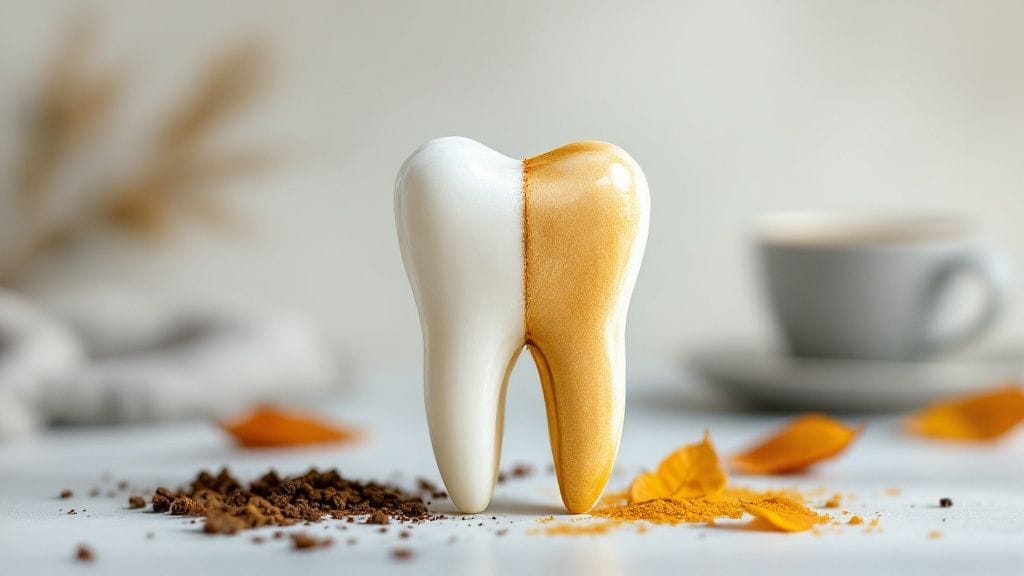
Have you ever looked in the mirror and felt your smile wasn't as bright as it used to be? It's a common concern, and understanding why your teeth are changing color is the first step toward reclaiming that brilliant shine.
Tooth discoloration generally falls into two categories. Extrinsic stains are those that appear on the surface of your teeth, often caused by lifestyle factors like coffee, tea, or tobacco. Then there are intrinsic stains, which originate from inside the tooth. These can be triggered by trauma, certain medications, or simply the natural aging process.
Why Are My Teeth Changing Color? A Quick Guide
So, what's really happening when your teeth begin to look dull or yellow? Imagine your tooth enamel as a protective, white shield. Over the years, this shield is exposed to various factors—both external and internal—that can alter its color. Your daily habits, health history, and even your genetics all play a part in determining the shade of your smile.
It's rarely just one thing, but rather a combination of factors that contributes to discoloration over time.
Understanding the Main Causes
The reasons your teeth change color can be grouped into a few key areas. Some are related to your lifestyle and are easier to manage, while others are a natural part of life that we can't always avoid.
Let's break them down:
- Extrinsic Factors: These are the classic surface stains that accumulate from the outside. They are the most frequent cause of yellowing teeth.
- Intrinsic Factors: These stains are different because they begin within the tooth's structure, which often makes them more challenging to address with standard whitening products.
- Age-Related Changes: As we get older, our teeth naturally change. Enamel gradually thins, and a lifetime of stains begins to become more noticeable.
The image below provides a great visual breakdown of how these different factors contribute to discoloration.
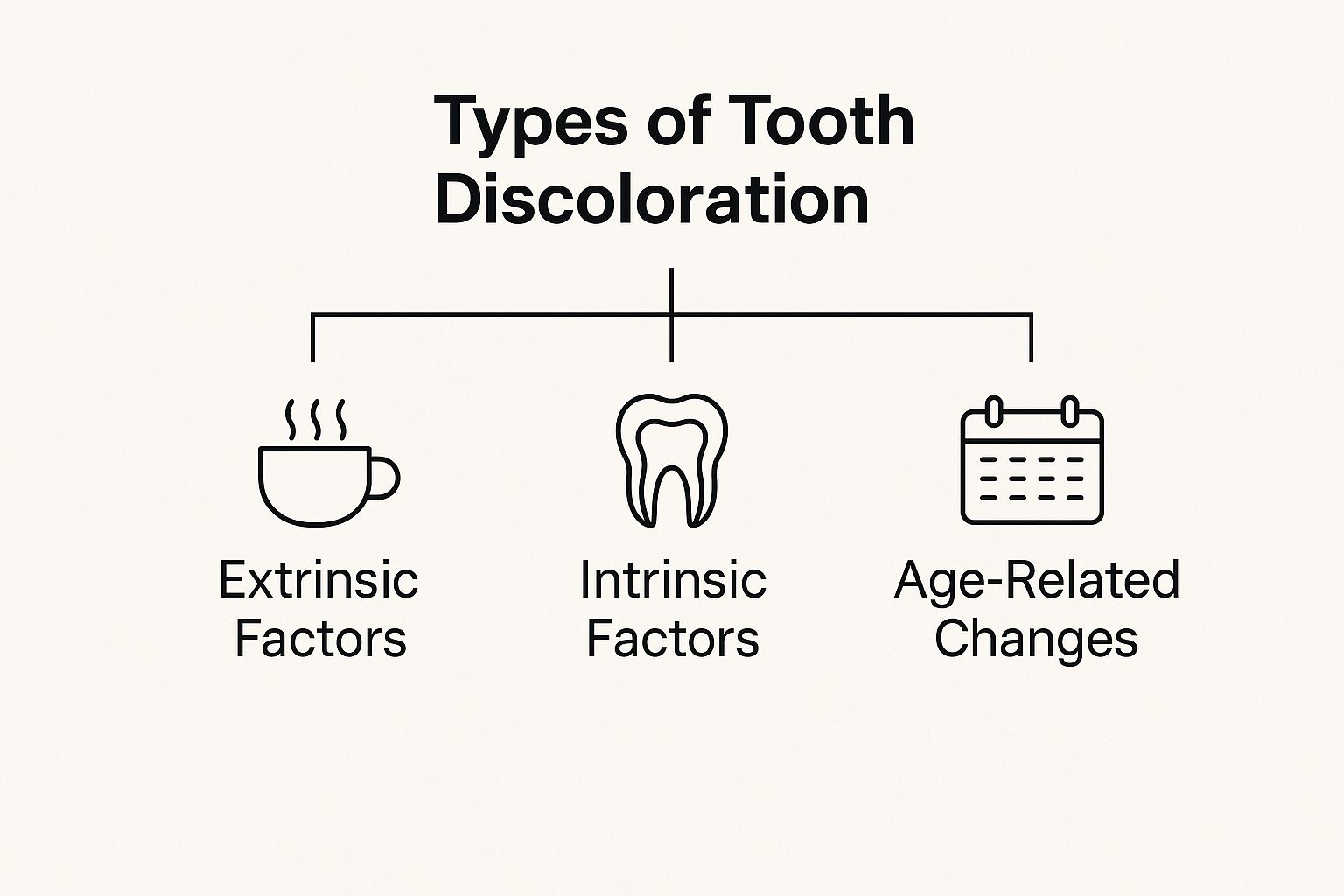
As you can see, the journey to discoloration is not always straightforward, with extrinsic, intrinsic, and age-related causes all playing a role.
To make it even clearer, here’s a quick comparison of the two main types of stains. Think of this as a cheat sheet to help you identify what might be happening with your own smile.
Extrinsic vs. Intrinsic Tooth Discoloration at a Glance
| Characteristic | Extrinsic Stains (Surface Level) | Intrinsic Stains (Internal) |
|---|---|---|
| Primary Causes | Coffee, tea, red wine, tobacco, dark sodas, and staining foods like berries or curry. | Trauma/injury to the tooth, certain medications (e.g., tetracycline), excessive fluoride, and genetics. |
| Appearance | Typically appears as a yellow or brown film across the entire tooth surface. | Often presents as gray, dark brown, or bluish hues, sometimes in bands or spots on the tooth. |
| Treatment Approach | Responds well to professional cleanings, whitening toothpaste, and professional teeth whitening treatments. | More resistant to bleaching; often requires cosmetic solutions like dental veneers or crowns for effective correction. |
Understanding this distinction is crucial. Extrinsic stains are on the outside, while intrinsic stains are an inside job, which is why they require completely different treatment strategies.
How Your Daily Habits Stain Your Teeth
Have you ever noticed how a white coffee mug gets a little dingy after repeated use? At first, the stains wash away easily, but over time, they can set in. The same process happens to your teeth every day, thanks to the foods and drinks we enjoy.
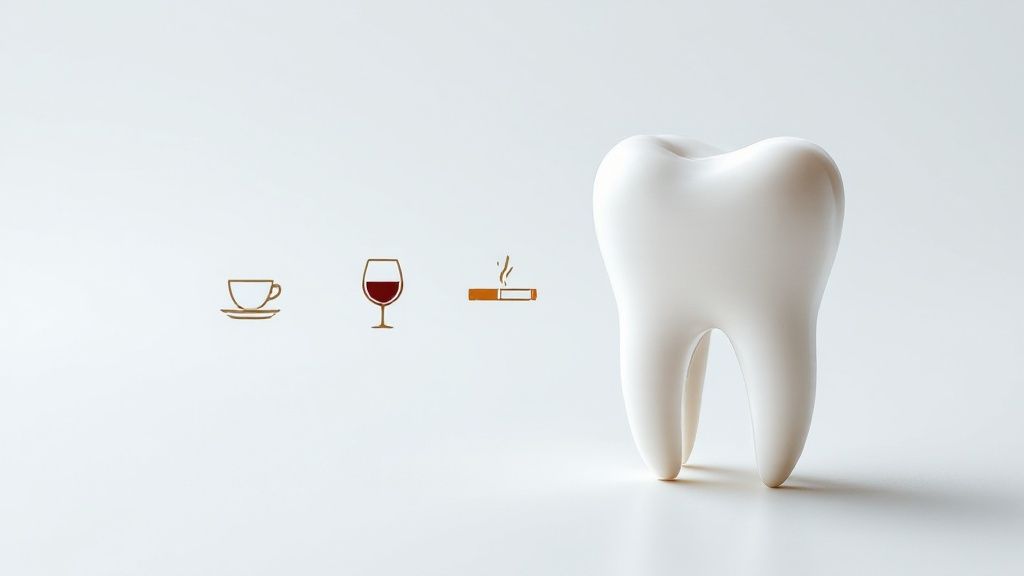
It all comes down to tiny, pigmented molecules called chromogens. These pigments are experts at attaching to your tooth enamel. To make matters worse, many common culprits—like tea and red wine—also contain tannins. Tannins act like a primer, making it even easier for chromogens to latch on and leave behind that tell-tale yellow or brown hue.
The Most Common Staining Culprits
Some foods and drinks are notorious for dimming a bright smile. Often, it's not just their color but also their acidity, which can slightly etch the enamel surface, creating more places for stains to hide.
Keep an eye out for these key offenders:
- Coffee and Tea: The classic duo. They are packed with both chromogens and tannins, making them a one-two punch for staining.
- Red Wine: Famous for a reason. Its deep color and acidity create a perfect storm for tooth discoloration.
- Dark Sodas and Sports Drinks: These are acidic and contain artificial colors that can easily adhere to your enamel.
- Berries and Tomato Sauce: While healthy, the vibrant pigments in foods like blueberries, blackberries, and rich tomato-based sauces can leave their mark.
Being mindful of what you eat and drink is the first step. For a closer look, you can learn more about how bad eating habits can ruin your teeth.
The Impact of Tobacco Use
Outside of your diet, nothing stains teeth as profoundly as tobacco. The tar and nicotine in cigarettes, cigars, and chewing tobacco create deep, stubborn yellowish-brown stains that brushing alone cannot remove. Interestingly, while nicotine itself is colorless, it turns yellow when it mixes with oxygen and seeps into the microscopic pores of your tooth enamel.
The evidence is clear. One study revealed that a staggering 62.7% of smokers noticed their teeth changing color. That number climbed even higher, to 75%, for those who used smokeless tobacco.
This highlights how much our lifestyle choices can impact the appearance of our smiles. Quitting smoking is not only a victory for your overall health—it's one of the single best things you can do to restore and maintain a bright, confident smile.
When Discoloration Starts from Inside the Tooth
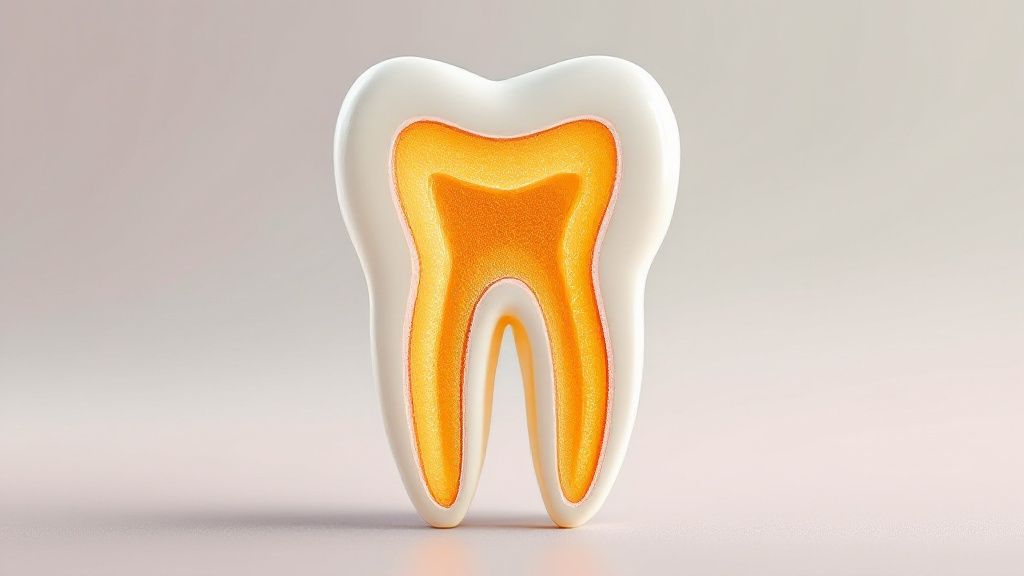
Not all stains are created equal. While many people worry about coffee, tea, or red wine staining the surface of their teeth, sometimes the problem starts much deeper. This is what we call intrinsic discoloration—it’s an inside job, originating from within the tooth's core.
Unlike a surface stain that you can scrub away, these internal changes mean something has happened to the tooth's structure. It’s more than just a cosmetic annoyance; it's often a clue about the tooth's overall health.
Trauma and the Darkening Tooth
Ever wonder why a single tooth might suddenly look darker than its neighbors? Physical trauma is one of the most frequent culprits. A hard fall, a sports injury, or any sharp impact to the mouth can do more than just chip a tooth.
Just like a bad bump leaves a bruise on your skin, a blow to a tooth can injure the delicate nerve and blood vessels inside—the pulp. When this internal tissue is damaged, it can start to die off in a process called pulpal necrosis. As the dying pulp and blood cells decompose, they release dark pigments that soak into the surrounding dentin, staining the tooth from the inside out. This is what causes that slow transformation to gray, dark brown, or even black.
It’s surprisingly common. One study found that pulpal necrosis was the reason behind a staggering 86.8% of cases involving intrinsic discoloration. This really drives home how often a past injury is the true source of a single discolored tooth. You can read the full research on tooth discoloration causes to get a more detailed picture.
Genetic and Developmental Factors
While an injury is a common cause, some people are simply born with teeth predisposed to discoloration. Genetics can influence how our teeth form during childhood, and certain rare hereditary conditions can interfere with the development of enamel and dentin.
A couple of examples include:
- Amelogenesis Imperfecta: This disorder affects how enamel forms, often leaving it thin, soft, and with a yellowish-brown hue.
- Dentinogenesis Imperfecta: Here, the problem lies in the dentin. This can give teeth a bluish-gray or yellowish-brown look and also makes them structurally weaker.
Unlike surface stains that build up over years, intrinsic discoloration from genetics or trauma is baked into the very structure of the tooth. This is why it stubbornly resists traditional whitening treatments and often requires cosmetic fixes like veneers or crowns to create a bright, even smile.
Figuring out the why behind the discoloration is the first step toward finding the right solution. If you ever notice one of your teeth changing color, it's a good idea to have a dentist take a look to diagnose the root cause and map out the best path forward.
The Hidden Link Between Your Medications and Your Smile
We all know coffee and red wine can stain our teeth, but sometimes the real culprit is hiding in your medicine cabinet. It’s true—certain medications and medical treatments can cause deep, stubborn discoloration that comes from inside the tooth.
This isn't your average surface stain that a good cleaning can buff away. This is intrinsic staining, and it happens when a medication’s chemical compounds interfere with your tooth's internal structure, often binding to calcium as the tooth forms or changing the chemistry of the pulp. The result is a color shift that no amount of brushing can fix.
Common Prescriptions That Can Affect Tooth Color
The classic example, and one most dentists know well, is the antibiotic tetracycline. If a child takes it before the age of eight, while their permanent teeth are still developing, the drug can get permanently baked into the tooth’s structure. This often creates distinctive gray or brown horizontal bands across the teeth.
But tetracycline isn't the only one. A surprising number of common medications can also play a role in changing your smile:
- Antihistamines: You might be surprised to learn that some, like Benadryl, have been linked to discoloration.
- Blood Pressure Medications: A number of drugs in this category can cause intrinsic staining.
- Antipsychotic Drugs: These medications can also be a contributing factor to tooth color changes.
The link is more widespread than you might think. A deep dive into over 9 million adverse event reports uncovered 1,188 cases of tooth discoloration connected to 302 different drugs. Tetracycline was the most common, but it's far from the only one. For those interested in the clinical data, you can find a detailed analysis of drug-related dental issues on frontiersin.org.
A Quick Word of Caution: Never stop taking a prescribed medication just because you're worried about your teeth. Always talk to your doctor and dentist first. They can help you weigh the pros and cons and find the best path forward for both your overall health and your smile.
How Medical Treatments Can Impact Your Teeth
It’s not just daily pills that can have an effect. Major medical treatments, while often essential for our health, can take a toll on our teeth.
Chemotherapy and radiation, especially when focused on the head and neck area, can disrupt enamel development and seriously dry out your mouth by reducing saliva flow. This creates a perfect storm for both decay and discoloration.
Even something as simple as a prescription mouthwash can be a problem. Rinses containing chlorhexidine or cetylpyridinium chloride, often used to fight gum disease, are notorious for causing brown surface stains with long-term use.
It’s a reminder that our oral health is deeply connected to our overall well-being. Gaining a broader perspective on how different drugs work can be incredibly helpful; for instance, you can learn more by understanding GLP-1 medications, their benefits, and potential risks. For a closer look at specific problem medications, we’ve put together a guide on drugs that have the worst impact on oral health. Knowing your full medical history helps us get to the root cause of discoloration and find the right solution for you.
Natural Changes from Aging and Genetics
Not everything that dulls your smile is within your control. Sometimes, it's just a part of life. Think of your tooth enamel like a brand-new, crisp white t-shirt—it's thick, bright, and protective when you're young.
But over the years, all that chewing, brushing, and exposure to acidic foods starts to take a toll. The enamel layer gradually thins out, and this is where the color change really begins.
Beneath that white enamel is a layer called dentin, which has a naturally yellow hue. As the enamel wears down, more of this yellowish dentin shows through, making your teeth appear darker. It’s the same way that well-loved t-shirt becomes more transparent over time, revealing whatever is underneath.
The Genetic Lottery of Tooth Color
Beyond the simple process of aging, your DNA plays a massive role in the baseline color of your teeth. Just like genetics determine your hair and eye color, they also dictate the natural shade and thickness of your enamel right from the start.
Some of us just hit the genetic jackpot, born with enamel that's naturally thicker, brighter, and more opaque. This gives them a built-in resistance to yellowing, even as they get older. Others might have genetically thinner enamel, which means that underlying yellow dentin can start peeking through much sooner.
It’s crucial to remember this: a smile that isn’t Hollywood-white is not automatically a sign of poor oral hygiene. Often, it just comes down to natural, uncontrollable biology.
Setting Realistic Expectations for Your Smile
Understanding how aging and genetics work helps us set realistic goals. While professional whitening is fantastic for lifting surface stains, it can't alter your DNA or reverse the decades of wear that thins out your enamel. It's important to recognize how the appearance of yellow teeth can affect your life and self-perception.
When discoloration comes from these deeper, structural changes, cosmetic treatments like veneers or bonding are often the most effective path to a permanently brighter smile. Instead of bleaching the natural tooth, they work by covering it, giving you complete control over the final shade.
How to Restore and Protect Your Bright Smile
So, you know why teeth get discolored. But what's next? The good news is that you can absolutely fight back against stains and keep your smile bright for the long haul. It really comes down to a two-pronged attack: powerful professional treatments paired with smart, everyday habits.
When stains have really settled in, professional dental solutions are your best bet. They’re designed to get to the root of the problem, whether the discoloration is just on the surface or runs deeper into the tooth itself.
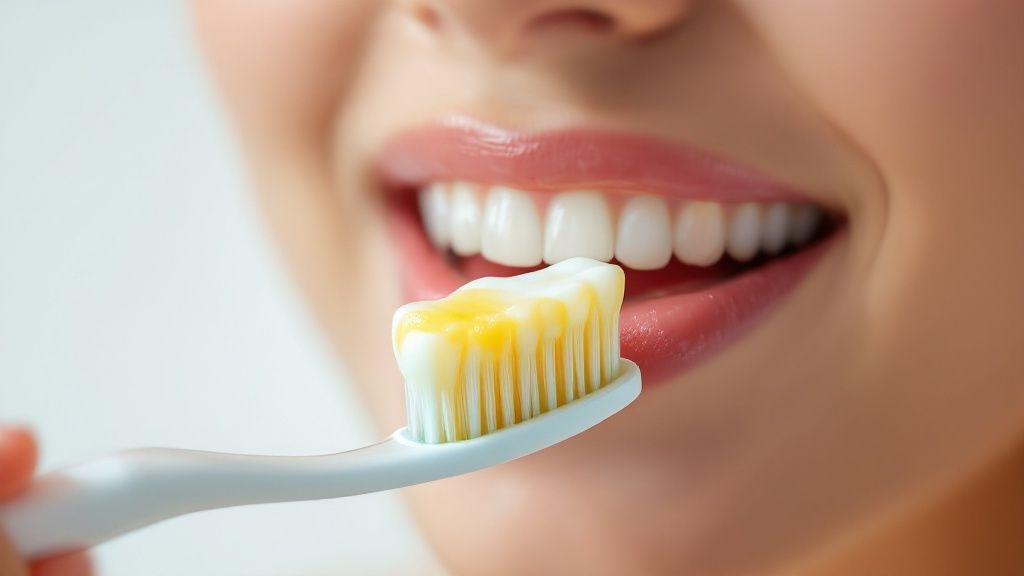
Professional Whitening Solutions
For erasing stains, nothing beats the results you get from a dentist. Professional treatments use potent, yet safe, bleaching agents that actually get inside the enamel to break apart the molecules causing the discoloration. They’re simply in a different league than anything you can buy at the store.
The most popular and effective options include:
- In-Office Whitening: This is the express lane to a brighter smile. In about an hour, your dentist can apply a high-strength whitening gel, often activated with a special light, to give you dramatic results in just a single visit. It’s perfect if you have a big event coming up.
- Custom Take-Home Trays: If you prefer a more gradual approach, your dentist can make trays that are molded perfectly to your teeth. You’ll get a professional-grade gel to use at home, giving you fantastic results over the course of one to two weeks.
Want to dig deeper into how these treatments transform a smile? Check out these 5 ways professional whitening can help with your yellow teeth. And for those really tough, intrinsic stains that bleaching can't touch, there are still great cosmetic fixes like dental veneers or crowns that cover the discoloration for good.
Smart Prevention Strategies
Once you’ve got that bright smile, you’ll want to protect it. Keeping future stains at bay is just as crucial as treating the old ones, and thankfully, it doesn't take much. A few simple tweaks to your daily routine can make all the difference.
Key Takeaway: The best defense is a good offense. Small, consistent actions can significantly reduce the buildup of new stains and keep your teeth looking fantastic between dental visits.
Here are a few easy habits you can start today:
- Rinse Immediately: Finished your morning coffee or that glass of red wine? Swish some water around your mouth right away. This helps wash away the staining compounds before they have a chance to cling to your enamel.
- Use a Straw: When you're enjoying a dark soda, iced tea, or iced coffee, a straw is your best friend. It helps the liquid bypass your front teeth, minimizing that direct contact.
- Don't Skip Cleanings: Your hygienist is your partner in crime against stains. Regular professional cleanings are the only way to remove the stubborn plaque and surface stains that even the best home brushing can't tackle.
It's interesting how this focus on preventing discoloration mirrors what we see in other areas, like high-end skincare. For instance, products like Skinceuticals Discoloration Defense are all about stopping skin pigmentation before it starts. By taking a similar approach—combining professional treatments with mindful prevention—you can truly keep your smile shining for years to come.
Common Questions About Tooth Discoloration
https://www.youtube.com/embed/jLF2G-M78nE
Once you start understanding what causes teeth to change color, a lot of other questions usually pop up. Getting clear on the details is the best way to figure out what you can do to bring back the brightness to your smile.
Let's walk through some of the most common questions we get from patients every day.
Can All Tooth Discoloration Be Reversed?
That really comes down to where the stain is coming from. Extrinsic stains—the ones on the surface from things like coffee, tea, or red wine—are usually quite manageable. A good professional cleaning, followed by whitening treatments, can often lift those pigments right off.
On the other hand, intrinsic stains are a different story. These are deep inside the tooth, caused by things like trauma, certain medications, or even just your genetics. Because the discoloration is part of the tooth's internal structure, bleaching won't do much. For these, we often look at cosmetic options like veneers or crowns to cover the discolored tooth and create that even, white smile.
Do Whitening Toothpastes Really Work?
Whitening toothpastes can definitely help, as long as you know what they're designed to do. Think of them less as a whitening treatment and more as stain management. They contain mild abrasives that gently scrub away new surface stains before they have a chance to set in.
They're fantastic for keeping your teeth bright after a professional cleaning, but they don't have the chemical agents needed to change the actual, natural shade of your teeth. They simply can't reach the deep-set stains that professional treatments can. So, they’re a great tool for maintenance, but not a substitute for a real whitening procedure.
Why Would Only One Tooth Change Color?
Seeing just one tooth go dark can be alarming, and it's almost always a sign that something is going on inside that specific tooth. Most often, the culprit is physical trauma. A knock or an old injury can damage the nerve, causing the tooth to die and slowly darken from the inside.
Other possibilities include a deep infection inside the tooth or even an old silver (amalgam) filling that has started to leak and stain the dentin over time. Since a single dark tooth often points to a bigger health issue, it's really important to have a dentist take a look and find out exactly what’s happening.
Ready to address your tooth discoloration and explore the best solutions for your smile? The team at Serena San Diego Dentist is here to help you achieve the bright, confident smile you deserve. Schedule your consultation today by visiting us at https://serenasandiegodentist.com.