
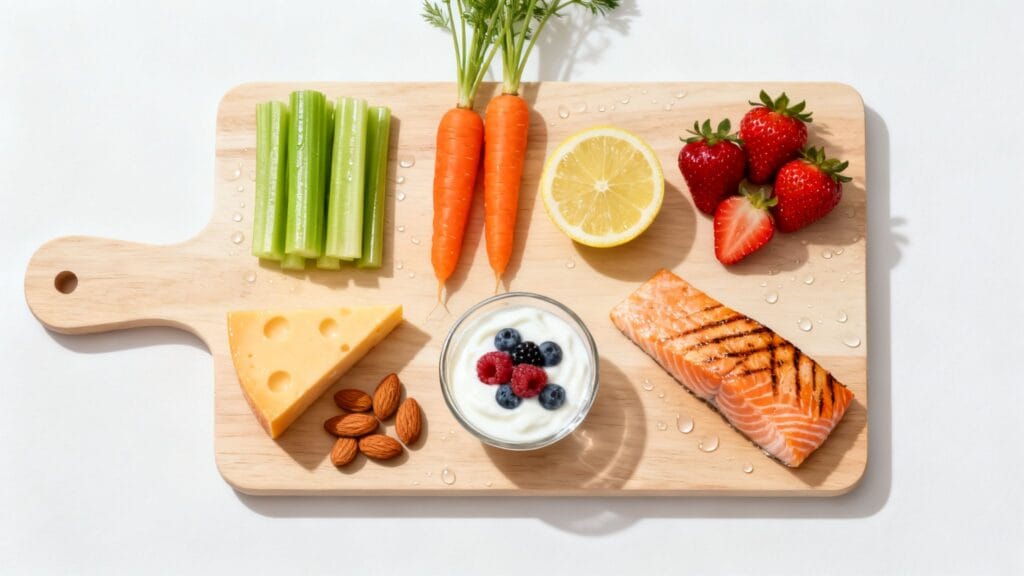
While brushing and flossing are the cornerstones of oral hygiene, the foods you eat play an equally critical role in building resilient gum tissue from the inside out. Many common dental issues, from chronic inflammation and gingivitis to more advanced periodontal disease, are directly influenced by your diet. The right nutrients can actively fight harmful bacteria, reduce swelling, and strengthen the very foundation that holds your teeth in place, making your mouth less susceptible to infection and decay.
In sunny San Diego, where a confident smile is always in season, understanding this connection is your first step toward lasting oral wellness. This guide moves beyond basic dental advice to focus on proactive nutritional strategies. We will explore eight of the best foods for healthy gums, detailing the science behind how specific vitamins and minerals work to protect your oral health.
You'll get actionable tips for incorporating these powerful ingredients into your daily routine, from quick snacks to simple meal additions. This list is your blueprint for a nutrient-rich diet that complements the expert preventive care you receive from your dentist. Think of it as your grocery list for a healthier, more vibrant smile, starting with your next meal.
1. Fatty Fish (Salmon, Mackerel, Sardines)
Fatty fish like salmon, mackerel, and sardines are powerhouses of nutrition, making them one of the best foods for healthy gums. Their primary benefit comes from a high concentration of omega-3 fatty acids, which are renowned for their potent anti-inflammatory properties. This is crucial for gum health, as inflammation is a key driver of periodontal issues like gingivitis and periodontitis.
In addition to omega-3s, these fish are excellent sources of vitamin D. This vitamin plays a vital role in bone and tooth mineralization and also helps regulate the immune system, strengthening your body's ability to fight off the oral bacteria responsible for gum infections. By incorporating fatty fish into your diet, you provide your gums with the essential nutrients needed to reduce inflammation and fortify their defenses against bacterial threats.
How to Add Fatty Fish to Your Diet
- Serving Goal: Aim for two to three servings per week, with each serving being around 3-4 ounces.
- Local San Diego Options: Take advantage of our coastal location by sourcing wild-caught Alaskan salmon from local fish markets or enjoying grilled mackerel at restaurants in La Jolla and Pacific Beach. Canned sardines are an affordable and convenient alternative.
- Preparation Tips: Grill, bake, or broil fish instead of frying to retain maximum nutritional value. Pair it with a side of steamed broccoli or bell peppers to add a boost of vitamin C, which aids in nutrient absorption.
Key Insight: The anti-inflammatory action of omega-3s directly combats the progression of gum disease, a serious condition that can lead to tooth loss. If you notice signs like bleeding or swollen gums, you can learn more about the significant threat gum disease poses to your teeth and take proactive steps. While diet is a powerful tool, it's not a substitute for professional dental care. If your symptoms persist, it's essential to schedule a preventive care appointment at our San Diego office to get a comprehensive evaluation.
2. Dark Leafy Greens (Spinach, Kale, Swiss Chard)
Dark leafy greens like spinach, kale, and Swiss chard are nutritional champions, making them some of the best foods for healthy gums. Their power lies in a rich combination of vitamin K, which is essential for blood clotting and can help reduce gum bleeding, and calcium, which reinforces the bone that supports your teeth. These greens are also loaded with antioxidants that protect gum tissue from the oxidative stress caused by harmful oral bacteria.
Furthermore, the high fiber content in leafy greens stimulates saliva production. Saliva is your mouth's natural defense mechanism, working to neutralize acids and rinse away food particles and plaque. By regularly including spinach, kale, or chard in your meals, you provide your gums with the structural support they need while actively cleansing your mouth and combating bacterial threats.
How to Add Dark Leafy Greens to Your Diet
- Serving Goal: Aim for at least 1-2 cups of raw or cooked greens daily.
- Local San Diego Options: Find fresh, organic kale and spinach at local farmers' markets in Clairemont Mesa or Little Italy. Many San Diego cafes also offer Swiss chard smoothies for a convenient and delicious way to get your daily dose.
- Preparation Tips: Lightly steam or sauté greens to reduce their oxalic acid content, which can interfere with calcium absorption. Add a handful of raw spinach to a smoothie or use kale as a base for a nutrient-dense salad with a vitamin C-rich dressing to enhance iron absorption.
Key Insight: The calcium in dark leafy greens directly contributes to a strong alveolar bone, which anchors teeth in the jaw. Weakening of this bone is a primary symptom of advanced gum disease and can lead to tooth loss. If you are concerned about your gum health, you can learn about how receding gums affect your teeth and the importance of early intervention. A healthy diet supports professional dental care, so if you notice persistent gum issues, schedule a preventive care appointment at our San Diego office for a thorough evaluation.
3. Crunchy Vegetables (Carrots, Celery, Bell Peppers)
Crunchy, fibrous vegetables like carrots, celery, and bell peppers are among the best foods for healthy gums, acting as nature's toothbrushes. Their firm texture mechanically scrubs away plaque and food particles from your teeth and gumline as you chew. This process not only cleanses but also stimulates blood circulation in your gums, which is essential for nourishing the tissue and keeping it resilient against infection.
Beyond their physical benefits, these vegetables are packed with vital nutrients. Bell peppers, in particular, are an outstanding source of vitamin C, a crucial antioxidant that supports collagen production. Collagen is the primary protein that gives your gums their strength and integrity. A diet rich in vitamin C helps repair connective tissues and fortifies your gums against the bacteria that cause periodontal problems.
How to Add Crunchy Vegetables to Your Diet
- Serving Goal: Aim for at least one to two servings of raw, crunchy vegetables daily, especially as a snack between meals to help clean your teeth.
- Local San Diego Options: Grab some celery sticks with hummus from a local cafe in Hillcrest or enjoy fresh, colorful bell pepper strips in a salad from a restaurant in La Jolla. Many San Diego farmers' markets offer fresh, locally grown carrots perfect for snacking.
- Preparation Tips: For maximum benefit, eat them raw. Pack baby carrots or pre-sliced celery and bell peppers for a convenient on-the-go snack. Chewing them thoroughly increases saliva production, which helps neutralize harmful acids and rinse away debris.
Key Insight: The mechanical cleaning action of crunchy vegetables is a great daily supplement to your oral hygiene routine, but it does not replace brushing and flossing. If you have sensitive gums that hurt when eating hard foods, it could be a sign of underlying inflammation or gum disease. It's important to get this checked professionally. Schedule a preventive care appointment at our San Diego office to ensure your gums are healthy enough to enjoy these beneficial foods.
4. Green Tea
Green tea stands out as one of the best foods for healthy gums due to its high concentration of powerful antioxidants known as polyphenols. The most notable of these is epigallocatechin gallate (EGCG), which has been scientifically shown to combat inflammation and inhibit the growth of harmful oral bacteria. This is essential for periodontal wellness, as these bacteria are the primary culprits behind gingivitis and more severe gum disease.
The catechins in green tea interfere with the ability of bacteria to stick to your teeth and gums, reducing plaque formation. Research has demonstrated that regular consumption can lead to a significant reduction in gum bleeding and pocket depth, two key indicators of periodontal disease. By incorporating green tea into your daily routine, you are actively helping to protect your gums from bacterial assault and reduce the inflammatory response that can lead to tissue damage.
How to Add Green Tea to Your Diet
- Serving Goal: Aim for three to four cups daily to achieve optimal gum health benefits.
- Local San Diego Options: Enjoy a high-quality matcha latte from a wellness cafe in Clairemont Mesa or purchase premium brewed sencha tea from one of the many specialty tea shops in the area. An iced green tea is also a refreshing and healthy summer beverage alternative.
- Preparation Tips: Steep green tea in water between 160-180°F for 3-4 minutes to preserve the delicate polyphenols. Avoid adding sugar, which can counteract the dental benefits. Allow the tea to cool slightly before drinking to prevent gum irritation and rinse your mouth with water afterward to minimize potential staining.
Key Insight: The antibacterial and anti-inflammatory properties of green tea’s polyphenols directly support the foundation of your oral health by controlling plaque and reducing gum inflammation. While drinking green tea is an excellent preventive measure, it is not a cure for existing dental issues. If you have persistent gum bleeding, swelling, or sensitivity, it’s crucial to seek professional care. Schedule a preventive care appointment at our San Diego office to ensure your gums get the expert attention they need.
5. Nuts and Seeds (Almonds, Sunflower Seeds, Sesame Seeds)
Nuts and seeds are crunchy, mineral-dense foods that act as a natural scrub for your teeth and are among the best foods for healthy gums. Their primary benefits lie in their rich mineral content, including calcium, phosphorus, magnesium, and zinc. These minerals are crucial for maintaining the density of the alveolar bone that surrounds and supports your teeth, providing a strong foundation for healthy gums.
The very act of chewing these firm foods mechanically stimulates gum tissue, which promotes healthy blood flow and strengthens the tissue. Furthermore, this chewing action stimulates saliva production. Saliva is your body’s natural mouthwash, helping to neutralize harmful acids and wash away food particles and bacteria that can lead to plaque buildup and gum inflammation.
How to Add Nuts and Seeds to Your Diet
- Serving Goal: Aim for a small handful, about one ounce (e.g., 23 almonds), as a daily snack.
- Local San Diego Options: Look for raw almonds from San Diego's nearby agricultural regions at local farmers' markets. Health food stores in areas like La Jolla often stock quality sunflower seeds, and Mediterranean markets throughout the city are great sources for sesame seed products like tahini.
- Preparation Tips: Choose raw or lightly roasted, unsalted varieties to avoid excess sodium. Chew them thoroughly to maximize gum stimulation and saliva flow. Always rinse with water afterward to clear any small particles that may get stuck between teeth. Avoid candied or sugar-coated varieties, as the added sugar negates the oral health benefits.
Key Insight: The minerals in nuts and seeds, like calcium and phosphorus, directly contribute to bone health, which is essential for anchoring teeth securely. Weakened bone can lead to loose teeth, a severe symptom of advanced gum disease. While a mineral-rich diet supports your oral structures, it complements, but does not replace, professional dental care. If you have concerns about gum health or tooth stability, schedule a preventive care appointment at our San Diego office for a thorough evaluation and personalized advice.
6. Citrus Fruits (Oranges, Lemons, Limes) – Consumed Carefully
Citrus fruits like oranges, lemons, and grapefruits are renowned for being exceptional sources of vitamin C, a powerful antioxidant essential for gum health. Vitamin C is a cornerstone nutrient for collagen production, the protein that provides structure and integrity to your gum tissues. This makes it vital for keeping your gums firm and resilient against bacterial invasion, which is why citrus fruits are on the list of best foods for healthy gums.
However, the high acid content in these fruits requires a careful approach. Citric acid can soften and erode tooth enamel, the protective outer layer of your teeth. To get the benefits without the drawbacks, it's crucial to consume them mindfully. Eating whole fruits is preferable to drinking juice, and always rinsing your mouth with water afterward can help neutralize the acid and protect your smile.
How to Add Citrus Fruits to Your Diet Safely
- Serving Goal: Enjoy one serving of a whole citrus fruit or diluted juice daily, ideally as part of a larger meal to buffer the acid.
- Local San Diego Options: Pick up fresh, locally-grown oranges from a farmers' market in Clairemont or La Jolla. Instead of drinking straight juice, try blending a whole orange into a green smoothie with spinach and yogurt.
- Preparation Tips: Dilute fresh-squeezed lemon or lime juice in a large glass of water. When drinking any citrus beverage, use a straw to minimize direct contact with your teeth. Crucially, wait at least 30 minutes after consuming citrus before brushing your teeth to avoid scrubbing the acid into your softened enamel.
Key Insight: While vitamin C is a hero for gum tissue repair and strength, the acidity of its source can be a villain for enamel. Understanding how to manage acidic foods is critical for long-term oral health. You can learn more about the most acidic beverages and foods to limit or avoid to protect your dental work and natural teeth. If you notice tooth sensitivity or other issues, schedule a preventive care appointment at our San Diego office to ensure your enamel is strong and healthy.
7. Yogurt and Probiotic Foods (Kefir, Miso, Tempeh)
Yogurt and other probiotic-rich foods like kefir, miso, and tempeh are exceptional additions to a gum-healthy diet. Their primary advantage lies in introducing beneficial bacteria, or probiotics, into your oral microbiome. These good bacteria help create a balanced environment, effectively crowding out the harmful pathogens responsible for causing gingivitis, plaque buildup, and bad breath. This makes them one of the best foods for healthy gums.
Beyond probiotics, dairy-based options like yogurt and kefir are rich in calcium, a mineral essential for maintaining strong jawbones and teeth. Many yogurts also contain casein phosphopeptides, which help tooth enamel absorb calcium and phosphates, aiding in remineralization and defense against decay. By regularly consuming these foods, you are not just fighting bad bacteria but also actively fortifying your mouth's structural foundation.
How to Add Yogurt and Probiotic Foods to Your Diet
- Serving Goal: Aim for at least one serving daily, such as one cup of plain yogurt or kefir.
- Local San Diego Options: Find plain Greek yogurt at any major grocery store. For more specialized options, explore the health food stores in La Jolla and Clairemont Mesa for high-quality kefir, or enjoy miso soup at one of San Diego’s many authentic Japanese restaurants.
- Preparation Tips: Always choose plain, unsweetened varieties to avoid feeding the harmful bacteria that thrive on sugar. Look for products labeled with "live and active cultures." If you need a sweetener, a small amount of honey is a good choice for its natural antimicrobial properties.
Key Insight: A balanced oral microbiome is your first line of defense against gum inflammation and infection. While probiotic foods support this balance, they complement, rather than replace, professional dental care. If you experience persistent gum sensitivity or bleeding, it's a sign that a deeper issue may be present. We encourage you to schedule a preventive care appointment at our San Diego office to ensure your gums are as healthy as possible.
8. Water (Especially Fluoridated and Mineral Water)
While technically not a food, water is arguably the most fundamental nutrient for a healthy mouth and deserves a top spot on any list of the best foods for healthy gums. Its role is multifaceted: it stimulates saliva production, which is your body's first line of defense against harmful bacteria. Saliva contains enzymes that neutralize acids and wash away food particles, preventing plaque buildup.
Fluoridated water offers an additional layer of protection by strengthening tooth enamel and making it more resistant to decay, which is often linked to gum problems. Mineral water contributes beneficial elements like calcium and magnesium, which are essential for maintaining the density of the jawbone that supports your teeth. Consistent hydration keeps gum tissues plump and resilient, helping them combat inflammation and infection effectively.
How to Add Water to Your Diet
- Serving Goal: Aim for at least eight 8-ounce glasses (64 ounces) daily, increasing your intake with physical activity or on hot San Diego days.
- Local San Diego Options: San Diego’s municipal tap water is fluoridated to the optimal level (0.7 mg/L) for oral health. You can also find locally sourced spring water or various mineral waters at stores throughout Clairemont Mesa and La Jolla.
- Preparation Tips: Sip water throughout the day to ensure consistent saliva flow. Make it a habit to drink a glass after every meal or snack to rinse away lingering sugars and acids. To further support your oral microbiome and overall gut health, explore our guide to the best probiotic supplements.
Key Insight: Staying hydrated is a simple yet powerful habit that directly impacts gum health by keeping your mouth clean and neutralizing harmful bacteria. Proper hydration is a cornerstone of any effective oral hygiene routine. To build on this foundation, you can discover other simple yet impactful habits by reviewing these 10 tips to step up your oral hygiene. If you struggle with dry mouth or persistent gum irritation despite staying hydrated, it's time to schedule a preventive care appointment at our San Diego office for a professional assessment.
Comparison of 8 Foods for Gum Health
| Item | Key Advantages ⭐ | Ideal Use Cases 💡 | Implementation Complexity 🔄 | Resource Requirements ⚡ | Expected Outcomes ⭐ / 📊 |
|---|---|---|---|---|---|
| Fatty Fish (Salmon, Mackerel, Sardines) | Omega‑3 + vitamin D, antimicrobial, collagen support | Anti-inflammatory support, low sun-exposure individuals | Medium 🔄 (cooking, storage) | Moderate-High ⚡ (cost, cold chain) | High ⭐📊: reduces gum inflammation, supports periodontal ligaments |
| Dark Leafy Greens (Spinach, Kale, Swiss Chard) | High calcium & vitamin K, antioxidants for tissue protection | Daily nutrient boost, wound healing and maintenance | Low 🔄 (wash / light cook) | Low ⚡ (affordable, seasonal) | High ⭐📊: calcium & vitamin K → less bleeding, faster healing |
| Crunchy Vegetables (Carrots, Celery, Bell Peppers) | Natural mechanical cleaning, vitamin C, low glycemic | Between-meal snacks, gum stimulation and interim cleaning | Low 🔄 (minimal prep) | Low ⚡ (widely available, inexpensive) | Moderate ⭐📊: mechanical plaque removal, saliva stimulation |
| Green Tea | EGCG polyphenols, clinically supported anti-inflammatory effects | Daily preventative routine; adjunct to professional care | Low-Medium 🔄 (regular brewing habit) | Low ⚡ (inexpensive, steady supply) | High ⭐📊: reduces bleeding/pocket depth; antimicrobial |
| Nuts and Seeds (Almonds, Sunflower, Sesame) | Mineral-dense (Ca, P, Mg), chewing stimulates saliva and circulation | Portable snacks, bone density and remineralization support | Low 🔄 (snackable) | Medium ⚡ (cost, storage; portion control) | Moderate ⭐📊: mineral support, remineralization, gum circulation |
| Citrus Fruits (Oranges, Lemons, Limes) – Consumed Carefully | Powerful vitamin C & bioflavonoids; immune and collagen support | Short-term vitamin C boost when diluted/with meals | Low-Medium 🔄 (requires careful consumption) | Low ⚡ (readily available) | Moderate ⭐📊: strong vitamin C → collagen/healing; enamel erosion risk |
| Yogurt & Probiotic Foods (Kefir, Miso, Tempeh) | Live probiotics, calcium, casein phosphopeptides for remineralization | Daily microbiome maintenance; post-antibiotic timing | Low 🔄 (refrigeration, selection) | Medium ⚡ (choose live cultures, low sugar) | High ⭐📊: improves oral microbiome, reduces pathogenic load |
| Water (Especially Fluoridated & Mineral Water) | Essential hydration, saliva stimulation, fluoride/mineral protection | Universal baseline intervention; post-meal rinse, throughout day | Very Low 🔄 (constant habit) | Very Low ⚡ (readily accessible) | Highest ⭐📊: saliva production, debris rinse, fluoride mineral benefits |
Integrate Your Diet with Professional Care for Ultimate Gum Health
Building a diet rich in the best foods for healthy gums is a foundational and empowering step towards lifelong oral wellness. As we've explored, incorporating nutrient-dense choices like omega-3-rich fatty fish, vitamin-packed leafy greens, and crunchy, cleansing vegetables provides your body with the essential building blocks for strong, resilient gum tissue. These foods work from the inside out, helping to fight inflammation, support collagen production, and mechanically clean your teeth.
However, a "gum-healthy" diet is one half of a powerful partnership. The other half is consistent, professional dental care. Even the most diligent diet cannot remove hardened plaque, known as tartar, which can only be safely eliminated during a professional cleaning. This is where the synergy between at-home habits and expert oversight becomes critical. Think of your diet as the daily defense and professional care as the specialized reinforcement needed to win the long-term battle against gum disease.
Key Takeaways for a Healthier Smile
To truly master your oral health, it's essential to move from knowledge to action. Let's distill the core principles from this guide into actionable next steps:
- Prioritize Anti-Inflammatory Foods: Make fatty fish, green tea, and leafy greens staples in your weekly meal plan. Their anti-inflammatory properties are your first line of defense against gingivitis.
- Boost Your Collagen with Vitamin C: While citrus fruits are beneficial, remember to consume them wisely to protect your enamel. Crunchy vegetables like bell peppers are excellent, less acidic sources of this vital nutrient.
- Embrace Mechanical Cleaning: Don't underestimate the power of a simple snack. Carrots, celery, and nuts act as natural toothbrushes, stimulating gums and scrubbing away plaque between meals.
- Balance Your Oral Microbiome: Probiotic-rich foods like yogurt and kefir introduce beneficial bacteria that help crowd out the harmful strains responsible for plaque and decay.
- Hydration is Non-Negotiable: Water, especially fluoridated water, remains the best beverage for rinsing away food particles and strengthening enamel.
Bridging Diet and Dental Expertise
Mastering these dietary habits provides a significant advantage, but it doesn't replace the need for professional guidance. Regular dental check-ups allow for the early detection of issues like gingivitis before they escalate into more severe periodontitis. Beyond a healthy diet, integrating professional care and understanding broader oral hygiene practices is crucial. For more comprehensive toothcare tips, exploring a wider range of habits can complement the dietary changes you're making.
Ultimately, the goal is to create a holistic oral health strategy. Your efforts in the kitchen, combined with our expertise at the clinic, create a formidable defense for your smile. Residents of San Diego, Clairemont Mesa, and La Jolla have a trusted partner in this journey. We are dedicated to not only treating dental issues but also educating and empowering our patients to prevent them.
At Serena San Diego Dentist, we welcome patients with a variety of PPO insurance plans and offer transparent out-of-pocket payment options, ensuring that exceptional care is always within reach. Your diet is your daily commitment to your gums; let our professional care be the cornerstone that secures their long-term health.
Ready to pair your healthy eating habits with expert dental care for a truly vibrant smile? The team at Serena San Diego Dentist is here to help you create a personalized preventive care plan. Schedule your consultation today at Serena San Diego Dentist and let's work together to protect your gums for a lifetime.