Ever dreamed of walking into a dental office with a few cosmetic issues—like a small chip, a gap, or a stubborn stain—and walking out just a few hours later with a refreshed, confident smile? That’s not science fiction; that’s the reality of composite bonding.
Here in San Diego, it has become a go-to for people who want a dramatic improvement without the major time and financial commitment of more complex procedures. If you're tired of hiding your smile due to minor imperfections, think of composite bonding as the ultimate "smile touch-up" designed to restore your confidence.
Your Same-Day Smile Makeover in San Diego

In sunny San Diego, life is lived outdoors and your smile is always front and center. It’s frustrating when you feel you have to hide it because of minor flaws. Many people assume the only fixes are expensive, multi-visit treatments like crowns or veneers, but that’s often not the case. Composite bonding is a fantastic, minimally invasive alternative that can completely reshape your smile, typically in just one appointment.
What Makes Bonding Such a Great Choice?
The best way to think about composite bonding is to see it as part dental science, part artistry. A talented cosmetic dentist uses a special tooth-colored resin, which has a putty-like consistency, and sculpts it by hand directly onto your tooth. This freehand approach allows for incredibly precise and natural-looking corrections that blend in perfectly with your smile.
The benefits for San Diegans are pretty clear:
- Speed and Convenience: Most bonding treatments are completed in a single visit. It’s the perfect fix for busy people who need fast results.
- Affordability: When you compare it to porcelain veneers, bonding is one of the most budget-friendly cosmetic treatments available, giving you a huge aesthetic payoff for a much smaller investment.
- Preserves Your Natural Teeth: Unlike other cosmetic options, bonding usually requires little to no removal of your healthy tooth enamel. We’re just adding to what’s already there.
A Truly Modern Solution
Forget the old days of noticeable metal fillings. The materials used in modern cosmetic dentistry are incredibly advanced. The composite resin we use is designed to perfectly mimic the shade and even the slight translucency of your natural teeth. It’s not just for filling cavities anymore; it's a versatile material that can be shaped, molded, and polished to fix all sorts of cosmetic concerns.
At Serena San Diego Dentist, we don’t just see bonding as a simple repair. We see it as a chance to artfully craft a smile that brings out your natural beauty and helps you feel more confident. Our team’s work is a blend of technical skill and an artist’s touch, ensuring your results look amazing and last.
If you're dealing with more significant damage, you might want to look into other single-visit solutions. Our guide on same-day CEREC crowns is a great resource. But whether you chipped a tooth surfing at La Jolla Shores or you’ve just always disliked that small gap between your front teeth, this guide will walk you through everything you need to know about getting the smile you've always wanted.
What Is Composite Bonding and How Does It Work?
Picture composite bonding as a unique blend of artistry and dental science, with your tooth serving as the canvas. It's a popular cosmetic procedure that uses a durable, tooth-colored resin to fix and reshape teeth, often correcting minor flaws in just one visit. The material itself starts out soft and putty-like, which allows your San Diego dentist to meticulously sculpt it right onto your tooth to get the shape and size just right.
The real beauty of bonding is its incredible versatility. We can use this resin to fill in chips, close up annoying little gaps, add length to a worn-down tooth, or even hide stubborn stains that whitening can't touch. Because we're adding material to the tooth rather than grinding it down, it's one of the most conservative cosmetic treatments you can choose.
The Step-by-Step Art of the Bonding Process
The actual procedure for composite bonding is refreshingly straightforward. Most of the time, we can get it done in under an hour per tooth, and you often won't even need any anesthetic. It’s a comfortable and quick way to see a big change in your smile, all within a single appointment at our San Diego office. Worried about pain during the procedure? Don't be—it's one of the most comfortable cosmetic treatments available.
Here’s a breakdown of what to expect:
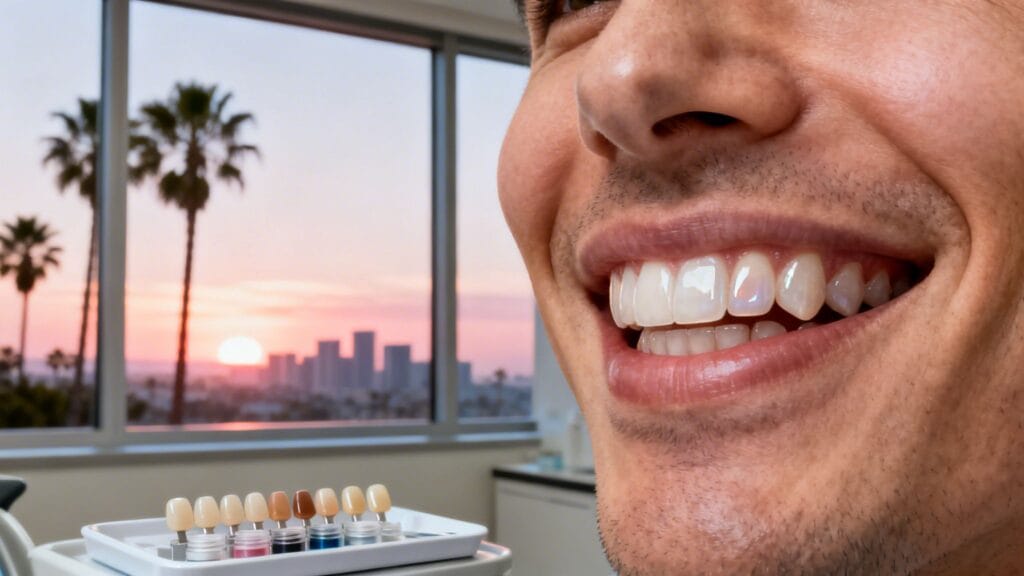
- Finding the Perfect Shade: This first step is absolutely critical. We'll use a shade guide to pick a composite resin that matches your natural teeth perfectly, making sure the final result is completely seamless. For anyone looking to brighten their whole smile, we usually recommend getting a teeth whitening treatment before the bonding.
- Preparing the Tooth: We gently etch the tooth's surface, which creates a microscopic texture for the bonding agent to grip onto. This is a key step that ensures the resin forms a strong, long-lasting connection with your enamel.
- Applying and Sculpting the Resin: Now for the artistic part. The tooth-colored resin is applied in careful layers. Your dentist will skillfully shape and mold the soft material to fix the imperfection, build up the ideal shape, and create a natural-looking contour.
- Curing with a Special Light: Once the resin looks perfect, we use a high-intensity curing light to harden it. This light solidifies the material in just a few seconds, locking your new tooth shape securely in place.
- Polishing to a Natural Finish: The final step is all about the details. We'll carefully shape and polish the hardened resin until it has the same smooth feel and light-reflecting shine as your natural teeth. You're left with a flawless, beautiful finish.
The goal with composite bonding isn't to create a "perfect" or fake-looking smile, but to enhance your natural beauty. The best bonding work is the kind no one ever notices—they just see your confident, healthy smile. To learn more about the specifics, you can explore this resource on What Is Cosmetic Dental Bonding.
Why It's More Than Just a Filling
You might be thinking, "Isn't that the same stuff you use for fillings?" While the composite resin is indeed the same material we use for modern, tooth-colored fillings, how we use it for cosmetic bonding is completely different.
A filling is all about restoring a tooth's function after decay has been removed. Bonding, on the other hand, is purely about aesthetics—improving the shape, size, and color of an otherwise healthy tooth. It’s a specialized technique that demands a really good eye for detail, balance, and symmetry. You can learn more about the philosophy behind these treatments in our guide on what cosmetic dentistry is.
Comparing Cosmetic Options: Bonding vs. Veneers
So, you’re ready to enhance your smile here in San Diego, and you've likely come across two leading options: composite bonding and porcelain veneers. Both are fantastic ways to get a smile you love, but they work very differently and are suited for different needs, budgets, and timelines. Knowing the real-world differences is key to making a choice you'll be happy with for years to come.
Think of it this way: composite bonding is like a precision touch-up. It's the perfect fix for that one slightly chipped tooth from a surfing tumble or for closing a small gap you’ve always noticed. Veneers, on the other hand, are a more comprehensive smile redesign—a complete, stunning, and incredibly durable makeover.
To help you decide, it’s a good idea to compare dental bonding vs veneers to see how they truly stack up against your personal goals. Let's get into the specifics.
The Core Difference: Material and Method
At the heart of it, the main distinction comes down to what they're made of and how they're put on your teeth.
Composite bonding uses a special, tooth-colored resin material that has a texture similar to putty. A cosmetic dentist meticulously applies this resin directly to your tooth, sculpting and shaping it by hand right there in the chair. It's an additive procedure, meaning we build upon your existing tooth, which usually requires little to no removal of your natural enamel.
Porcelain veneers are entirely different. These are ultra-thin, custom-crafted shells made from a high-strength ceramic in a specialized dental lab. To make sure they fit seamlessly, a very small amount of enamel is gently polished off the front of the tooth. This makes veneers a permanent and irreversible commitment to a new smile.
Treatment Time and Convenience
For anyone with a busy San Diego lifestyle, how long the process takes is a big deal.
- Composite Bonding: This is your one-and-done solution. We can typically match the shade, apply the resin, and polish your new smile to perfection in a single appointment.
- Porcelain Veneers: This is a two-visit process. Your first appointment is for preparing the teeth and taking precise impressions. The second visit, a couple of weeks later, is when we bond your final, lab-created veneers into place.
Durability and Longevity
How long will your smile investment last? The materials tell the story here.
The resin used for bonding is quite strong, but it's not as tough as porcelain. With great home care, bonding can last anywhere from 3 to 10 years before needing a touch-up or replacement. It’s also more prone to staining from things like coffee, tea, and red wine.
Porcelain, however, is a powerhouse material. It's an incredibly hard, non-porous ceramic that is highly resistant to both stains and chips. When cared for properly, a set of porcelain veneers can last 15 years or even longer, making them an amazing long-term investment.
Curious to learn more? Our in-depth guide on dental bonding vs. veneers explores this topic in even greater detail.
This flowchart can help you quickly see if bonding might be the right first step for you.

As you can see, if your oral health is in good shape and you're looking to fix minor cosmetic issues, bonding is often an excellent and straightforward way to achieve your goals.
Composite Bonding vs. Porcelain Veneers: A Side-by-Side Comparison
Choosing between bonding and veneers is a major decision, and having all the facts laid out can make it much easier. This table breaks down the key differences to help you see which option might be the best fit for your smile goals and lifestyle in San Diego.
| Feature | Composite Bonding | Porcelain Veneers |
|---|---|---|
| Material | Tooth-colored composite resin | High-grade ceramic porcelain |
| Procedure | Applied & sculpted directly on the tooth | Custom-made in a lab, then bonded on |
| Time | 1 visit (usually 30-60 min/tooth) | 2+ visits over a few weeks |
| Cost | More affordable; $400-$600 per tooth | Higher investment; $1,500-$2,500 per tooth |
| Durability | Good; lasts 3-10 years | Excellent; lasts 15+ years |
| Stain Resistance | Porous; can stain over time | Non-porous; highly stain-resistant |
| Reversibility | Yes, typically reversible | No, a permanent treatment |
| Best For | Minor chips, gaps, or discoloration | A complete smile makeover |
In short, both paths lead to a beautiful smile, but they get there in very different ways.
Aesthetic Results and Cost
Both treatments can give you a gorgeous, confident smile, but the final look has its nuances.
Bonding can achieve wonderful, natural-looking results for smaller fixes, but the final outcome heavily relies on the dentist's artistic skill. Porcelain, on the other hand, offers the gold standard in cosmetic dentistry. Its translucency and luster perfectly mimic natural tooth enamel, delivering a truly flawless and comprehensive smile transformation.
The Bottom Line:
Choose composite bonding if you're looking for a fast, budget-friendly, and reversible fix for minor flaws. Go with porcelain veneers when you want a durable, stain-proof, and total smile makeover that is built to last.
Ultimately, the best choice is a personal one. It comes down to your unique smile goals, your budget, and what you envision for your smile in the long run. A personalized consultation right here at Serena San Diego Dentist is the best way to get clear, honest advice on which path is right for you.
Getting a Handle on Composite Bonding Costs in San Diego
Let's talk about one of the best things about composite bonding: it’s incredibly budget-friendly. When you stack it up against other cosmetic dental work, bonding often comes out on top as the most accessible option. For so many people here in San Diego, it's the perfect way to fix those little things that bother you about your smile—a chip here, a small gap there—without having to take out a second mortgage.
Of course, there’s no single price tag for this kind of work. What you'll invest depends entirely on your specific smile and what you want to achieve.
What Goes Into the Final Price?
The total cost for composite bonding in San Diego really boils down to a few key things. Getting a feel for these variables will help you estimate what to expect.
- How Many Teeth Are We Talking? This is the biggest factor. Fixing one little chip on a front tooth is a much smaller job, and will cost less, than closing gaps across four or six teeth.
- The Complexity of the Work: A straightforward chip repair is quicker and uses less material. But if you're looking to completely reshape a tooth or build up a worn-down edge, that takes more time, skill, and artistry from the dentist.
- Your Dentist's Experience: The dentist's expertise and artistic eye definitely play a part. A cosmetic dentist with a reputation for creating stunning, natural-looking results may have a different fee structure than a general practitioner.
Think of composite bonding as the most cost-effective entry point into the world of cosmetic dentistry. You get a huge aesthetic bang for your buck, making a smile you love more attainable than ever.
A Clear Cost Comparison Here in San Diego
To really see the value, it helps to compare bonding to other popular cosmetic treatments. In San Diego, dental bonding is hands-down one of the most wallet-friendly solutions, with prices typically running from $250 to $840 per tooth.
On average, you can expect the cost of dental bonding in San Diego to be around $630 per tooth.
Now, let's compare. Porcelain veneers in the same San Diego market can range anywhere from $1,000 to a hefty $4,000 per tooth. Dental crowns are also pricier, usually falling between $800 and $1,800 per tooth. When you see the numbers side-by-side, the financial advantage of bonding becomes crystal clear. You can discover more about local dental pricing to get a broader view.
Payment and Accessibility
It's important to go in knowing that composite bonding is almost always considered a cosmetic procedure. That means your dental insurance plan is unlikely to cover it. But don't let that stop you from getting the smile you've always wanted.
Here at Serena San Diego Dentist, we're dedicated to making your treatment fit into your budget. We accept most major insurance plans for any covered services and offer flexible payment options if you're paying out-of-pocket. We also work with third-party financing plans that let you spread the cost out over time with simple monthly payments. Our team is ready to sit down with you and transparently go over all the financial options during your consultation.
How to Care for Your Bonded Teeth for Lasting Results

You've invested in enhancing your smile with composite bonding—now, the key is to make it last. The care you take at home is just as important as the artistry that happened in the dental chair. Think of it this way: we create the beautiful result, and your daily habits are what protect it for the long haul.
The great news is that keeping your bonded teeth looking fantastic doesn't require a complicated new routine. With just a few mindful habits, you can significantly extend the life of your new smile and keep it looking as bright as the day you left our San Diego office.
Daily Habits for a Durable Smile
At its core, caring for composite bonding is all about solid oral hygiene combined with being a little more careful about how you use your teeth.
While the composite resin we use is quite durable, it’s not invincible. It can chip or break under the wrong kind of pressure, much like your natural tooth enamel.
To keep your bonding intact, try to steer clear of these common culprits:
- Biting into hard objects: This is the number one reason for chips. Things like chewing on ice, hard candies, pen caps, or using your teeth as a tool to open a package can cause immediate damage.
- Nail-biting: That constant, focused pressure on the edges of your front teeth is a recipe for chipping the delicate bonding material.
- Hard or crunchy foods: Instead of biting directly into a whole apple or a handful of almonds with your bonded teeth, try cutting them into smaller, more manageable pieces first.
Keeping Stains at Bay
Today's composite materials are much better at resisting stains than they used to be, but they are still more porous than natural tooth enamel. This means that over time, things like coffee, tea, and red wine can cause them to darken slightly.
One crucial thing to remember: Bonded teeth do not respond to whitening treatments. Once the color is set, it's set. The best strategy is to prevent stains before they happen to keep your whole smile looking even and bright.
Here are a couple of simple tricks to keep your smile consistently white:
- Limit stain-causing drinks: Coffee, red wine, dark sodas, and black tea are the usual suspects. When you do enjoy them, using a straw can help the liquid bypass your front teeth.
- Rinse right away: After having a staining food or drink, simply swishing your mouth with water can wash away many of the color pigments before they have a chance to stick.
Of course, a fantastic oral hygiene routine is your best line of defense. Gentle brushing twice daily with a soft-bristled brush and non-abrasive toothpaste, along with daily flossing, is non-negotiable. Regular professional cleanings are also vital for removing plaque and surface stains we can't tackle at home. You can read more about why these visits are so important in our guide to professional dental cleanings in San Diego.
With these habits, dental bonding can last anywhere from 3 to 10 years. It really comes down to how well you care for it. By taking these simple steps, you're not just a patient; you're an active partner in preserving your beautiful new smile.
Begin Your Smile Transformation in San Diego
You’ve seen just how powerful composite bonding can be for transforming a smile—quickly, affordably, and with beautiful results. It's a fantastic solution for fixing those little things that bother you, from small chips and gaps to just wanting a brighter, more even look. The best part? The journey to a smile you truly love doesn't have to be a long, drawn-out, or expensive ordeal.
Here at Serena San Diego Dentist, we think of composite bonding as part art, part science. It’s not just about filling a gap; it’s about crafting a result that looks like it’s always been there. We spend time meticulously matching the resin to your natural tooth color and then shaping it to flow seamlessly with your smile and facial structure.
Your First Step Is a Simple Conversation
If you've been hiding your smile and are curious about your options, the next step is easy. A one-on-one consultation is the perfect way to figure out if composite bonding is the right fit for you.
During your visit, we’ll sit down and:
- Listen to your goals: We want to hear what you envision for your smile. What would you like to change?
- Check your oral health: A quick look ensures your teeth and gums are healthy and ready for bonding.
- Answer all your questions: We'll walk you through the process, talk about how long it lasts, and discuss costs in a straightforward, no-pressure way.
This initial chat is all about giving you the information you need to feel comfortable and confident in your decision. We genuinely believe everyone in San Diego deserves to feel fantastic about their smile, and often, the simplest treatments make the biggest difference.
A beautiful smile is a powerful asset, and composite bonding offers a practical, same-day solution to help you achieve it. Let us show you how this straightforward procedure can make a world of difference.
Ready to enhance your smile?
Ready to stop wondering "what if?" It’s time to see what your smile is truly capable of. Don't let minor cosmetic imperfections keep you from feeling your best.
The team at Serena San Diego Dentist invites you to schedule a free consultation today! at our San Diego office. Let's talk about your smile goals and map out a plan to get you there. Contact us to learn how we can help you achieve the smile of your dreams.
Got Questions About Composite Bonding? We've Got Answers.
Thinking about improving your smile is a big step, and it's completely normal to have a few questions before you commit. We get asked about composite bonding in San Diego all the time, so we’ve put together some of the most common ones we hear from our patients. Here are some straight-to-the-point answers to help you get the final details sorted.
Is the Composite Bonding Procedure Painful?
Not at all. This is one of the biggest reliefs for our patients. Since we're only working on the surface of your tooth's enamel, the whole process is virtually painless.
Most of the time, there’s no need for any anesthetic unless we happen to be filling a cavity at the same time. It's so minimally invasive that most people don't feel a thing during their appointment.
Can I Whiten My Teeth After Getting Bonding?
This is a fantastic and really important question. The composite resin we use is expertly matched to the color of your teeth at the time of the procedure, but it won't lighten with whitening treatments later on.
Because of this, we always advise patients to whiten their teeth before their bonding appointment. That way, we can match the resin to your newly brightened shade for a seamless, perfectly uniform smile.
Who Is an Ideal Candidate for Dental Bonding?
The best candidate is someone with good oral health who just wants to fix some minor cosmetic issues. If you're dealing with small chips, a minor crack, slight gaps, or teeth that look a bit uneven, bonding is often the perfect fix.
It's a fantastic option for anyone in San Diego who wants a fast, affordable, and conservative way to get the smile they've been hoping for. The best way to know for sure is to pop in for a quick consultation so we can take a look.
What Should I Do If My Bonding Chips or Breaks?
Life happens! But don't worry—one of the best things about composite bonding is how simple it is to repair. If your bonding gets chipped or broken, there's no need to panic.
Just give our San Diego office a call. We can usually fix it in one quick visit by adding a bit more resin and re-shaping it to look good as new. The repair is just as fast and affordable as the original procedure.
Think of your bonding as being about as strong as your natural tooth enamel. It's durable, but it's still a good idea to avoid habits like biting your nails, chewing on ice, or opening packages with your teeth. Good hygiene and regular check-ups will keep both your natural teeth and your bonding looking great for years.
Ready to see how a simple, one-visit procedure can completely change your smile? The team at Serena San Diego Dentist is here to walk you through it.
Schedule your free consultation today to find out if composite bonding is the right move for you. Visit us at https://serenasandiegodentist.com to get started.