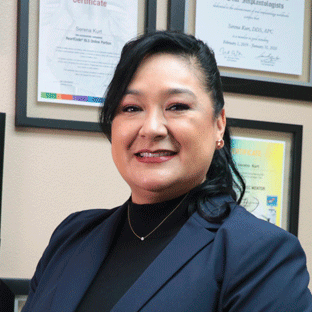

A smile makeover does not have to mean stepping away from work for weeks or committing to every treatment at once. For professionals considering affordable smile makeover options in Clairemont Mesa, financing and PPO benefits can make a meaningful difference in how comfortably treatment fits into both a calendar and a budget. The right plan starts with a clear clinical evaluation, then prioritizes the changes that will have the greatest impact on your smile, health, and confidence.
Start With the Smile Concerns That Matter Most
A smile makeover is not one fixed procedure. It is a personalized combination of cosmetic and restorative treatments designed around your teeth, bite, facial features, and goals. One patient may need whitening and minor bonding before an important presentation. Another may need to replace a broken crown, improve uneven edges, and address discoloration that whitening alone cannot correct.
The most cost-conscious approach is rarely choosing the least expensive treatment without a diagnosis. It is choosing the right treatment in the right order. Treating active decay, gum inflammation, fractured teeth, or bite issues first helps protect the longevity of cosmetic work. It also prevents the frustration of investing in veneers or whitening only to discover an underlying dental concern later.
At Serena Family and Cosmetic Dentistry, digital imaging and 3D intraoral scanning can help make that planning process more precise. You can see what is happening beneath the surface and discuss options with a clearer understanding of the expected outcome, timeline, and investment.
Affordable Smile Makeover Options in Clairemont Mesa
The best treatment path depends on what you want to change and how durable you need the result to be. A cosmetic consultation should distinguish between a short-term refresh and a more comprehensive transformation.
Professional teeth whitening
Professional whitening is often the most efficient place to begin when healthy teeth have become stained by coffee, tea, red wine, or normal aging. It can brighten your natural enamel dramatically, but it will not change the color of existing crowns, veneers, or fillings. If you have visible restorations, whitening is often completed before new cosmetic work is matched to your preferred shade.
Cosmetic bonding
Dental bonding can improve small chips, worn edges, minor gaps, and slight shape irregularities. It is generally less expensive than porcelain veneers and can often be completed quickly. The trade-off is that bonding is more prone to staining and wear over time, especially for patients who bite their nails, grind their teeth, or regularly drink dark beverages.
Porcelain veneers
Veneers are a high-value option for patients seeking a more substantial change in color, symmetry, shape, or the appearance of spacing. Custom porcelain offers a refined, natural-looking finish and excellent stain resistance. Because veneers require careful planning and typically involve modifying the tooth surface, they are best viewed as a long-term cosmetic investment rather than a quick fix.
Crowns for damaged or heavily restored teeth
A crown may be the better solution when a tooth is cracked, significantly worn, weakened by a large filling, or has had root canal treatment. While crowns can improve appearance, their primary role is restoring strength and function. In a smile makeover, crowns and veneers may be combined to create a balanced result across the visible smile zone.
Dental implants for missing teeth
A missing tooth can affect confidence, chewing comfort, and the alignment of nearby teeth. Dental implants replace the tooth root and support a custom restoration that looks and functions much like a natural tooth. Implant treatment requires a greater upfront investment and a longer timeline than a removable option, but it can offer exceptional long-term stability. Some patients may also need bone grafting before implant placement, which should be included in the treatment discussion from the beginning.
Use PPO Benefits Strategically, Not Just Quickly
PPO dental insurance can be valuable, but it is not a blanket payment method for every cosmetic goal. Most PPO plans contribute toward preventive care and medically necessary restorative procedures, while elective cosmetic services may receive limited or no coverage. A crown needed to restore a broken tooth may qualify for benefits, for example, while a veneer placed solely to change the appearance of a healthy tooth may not.
That distinction does not make cosmetic dentistry out of reach. It simply means a treatment plan should separate insurance-eligible care from elective enhancements. Your benefits may help offset exams, digital diagnostics, cleanings, periodontal care, fillings, root canals, extractions, crowns, or implant-related restorations, depending on your plan’s provisions.
Before treatment begins, ask for a benefits review and written estimate that shows anticipated insurance contribution, patient responsibility, and any timing considerations. Annual maximums, deductibles, waiting periods, frequency limits, and missing-tooth clauses can all affect what a PPO plan pays. Benefits are determined by your insurer, not by the dental office, so estimates should be treated as informed projections rather than guarantees.
For many busy professionals, it can also make sense to phase treatment around benefit years. If urgent restorative care is needed now and elective cosmetic refinements can wait, dividing treatment thoughtfully may allow you to use available benefits more effectively without compromising clinical priorities.
Financing Can Turn One Large Decision Into Manageable Steps
Financing is useful when you want to complete treatment sooner rather than postponing care while saving for the full amount. Depending on approval and available program terms, monthly payment options may help spread out the cost of veneers, implant care, full-mouth rehabilitation, or a combined cosmetic-restorative plan.
The key is to review the terms with the same care you would give any financial decision. Ask about the monthly payment, repayment period, interest rate, promotional period if applicable, late-payment policies, and total amount paid over time. A low monthly figure can feel attractive, but the full repayment cost matters.
Financing is particularly helpful when treatment supports both function and appearance. Replacing a failing crown, repairing worn teeth, or restoring a missing tooth may protect your oral health while also creating a more polished smile. Rather than viewing the plan as purely cosmetic, consider the durability, comfort, and preventive value of the recommended care.
A Treatment Plan Built Around a Full Calendar
Busy schedules are one reason people delay dentistry until a small issue becomes an urgent one. A modern dental practice should respect that reality. The goal is not to rush clinical decisions. It is to make appointments, diagnostics, and treatment coordination efficient enough that your dental care does not take over your workweek.
A well-organized smile makeover often begins with one comprehensive consultation. Your dentist can evaluate your teeth and gums, discuss what you would like to improve, identify any health concerns, and recommend a sequence of care. From there, the plan may be completed in stages: stabilize oral health, address functional concerns, brighten teeth, then complete final cosmetic restorations.
This staged approach is especially valuable if you have a wedding, conference, interview, or other date-driven goal. Whitening or bonding may provide an immediate refresh, while veneers, crowns, or implants can be planned carefully for the longer-term result. Honest timing matters. High-quality porcelain and implant restorations should never be rushed simply to meet an arbitrary deadline.
Questions Worth Asking at Your Consultation
A productive consultation should leave you with more than a general price range. You should understand which concerns are health-related, which treatments are elective, and what each option is expected to accomplish. Ask whether a more conservative treatment could meet your goals, how long the proposed restorations typically last, what maintenance they require, and whether night protection is recommended for clenching or grinding.
Also ask what happens if your insurance pays less than estimated and whether treatment can be sequenced to match your timeline and financial comfort level. Premium dentistry should feel transparent, not pressured. The right plan is one you can confidently maintain after the final appointment.
A beautiful smile is most valuable when it is also healthy, comfortable, and built to last. Schedule a personalized consultation to explore a treatment path that respects your goals, your PPO benefits, and the demands of your professional life.