

Everyone experiences bad breath, or halitosis, from time to time. But when it becomes a persistent concern, it can damage your confidence and may even signal underlying health issues. While a mint or piece of gum offers a temporary fix, understanding the root cause is the only path to achieving lasting freshness and protecting your oral and overall health. For many residents in San Diego, Clairemont Mesa, and La Jolla, where a confident smile is part of daily life, the fear of bad breath can be a significant source of social anxiety. This guide is designed to move beyond the obvious and provide a clear, comprehensive breakdown of the most common causes of bad breath.
This article will explore ten distinct reasons for halitosis, from straightforward oral hygiene habits to more complex medical conditions. For each cause, you will find:
- Clinical Explanations: Simple, direct descriptions of what is happening in your body.
- Signs to Watch For: Specific symptoms that accompany each potential cause.
- Actionable Home-Care Tips: Practical, easy-to-implement strategies you can start today.
- When to Seek Professional Care: Clear guidance on when it’s time to consult a professional.
We will delve into the science behind why your breath isn't fresh, providing you with the knowledge needed to address the problem effectively. Whether the solution is a simple adjustment to your routine or requires a visit to a trusted expert like the team at Serena San Diego Dentist, this guide will empower you to reclaim a clean, confident, and healthy smile. Let’s get started.
1. Poor Oral Hygiene and Plaque Buildup
The most frequent and preventable reason for halitosis, or bad breath, is inadequate oral hygiene. When you don't brush and floss effectively, tiny food particles get trapped between your teeth and along the gumline. Oral bacteria thrive on these particles, forming a sticky, colorless film called plaque.
As these bacteria break down the food debris, they release volatile sulfur compounds (VSCs), which are responsible for the distinct, unpleasant odor associated with bad breath. Over time, this plaque can harden into tartar, further irritating the gums and creating more surface area for bacteria to grow. This is why neglecting your daily routine is one of the most common causes of bad breath.
Actionable Tips for Better Hygiene
A consistent and thorough routine is your first line of defense. At our San Diego dental clinic, we've seen patients achieve a remarkable improvement in breath quality within just a few weeks of adopting better habits.
- Brush Correctly: Brush for a full two minutes, twice a day, using a soft-bristled brush and fluoride toothpaste. Consider an electric toothbrush for more efficient plaque removal.
- Don't Forget to Floss: Floss daily to clean the tight spaces between teeth where your toothbrush can't reach.
- Clean Your Tongue: Use a tongue scraper or the back of your toothbrush to gently remove bacteria from your tongue's surface.
- Stay Fresh: Replace your toothbrush every three months or sooner if you've been sick. In addition to regular brushing and flossing, incorporating an oral probiotic supplement can help balance your oral microbiome, further aiding in the prevention of bad breath.
When to See a Professional: If consistent, excellent home care doesn't resolve your bad breath, it's time for a professional cleaning. At Serena San Diego Dentist, we can remove stubborn tartar buildup and check for underlying issues. To master your daily routine, you can explore these 10 powerful tips for stepping up your oral hygiene.
2. Gum Disease (Periodontal Disease)
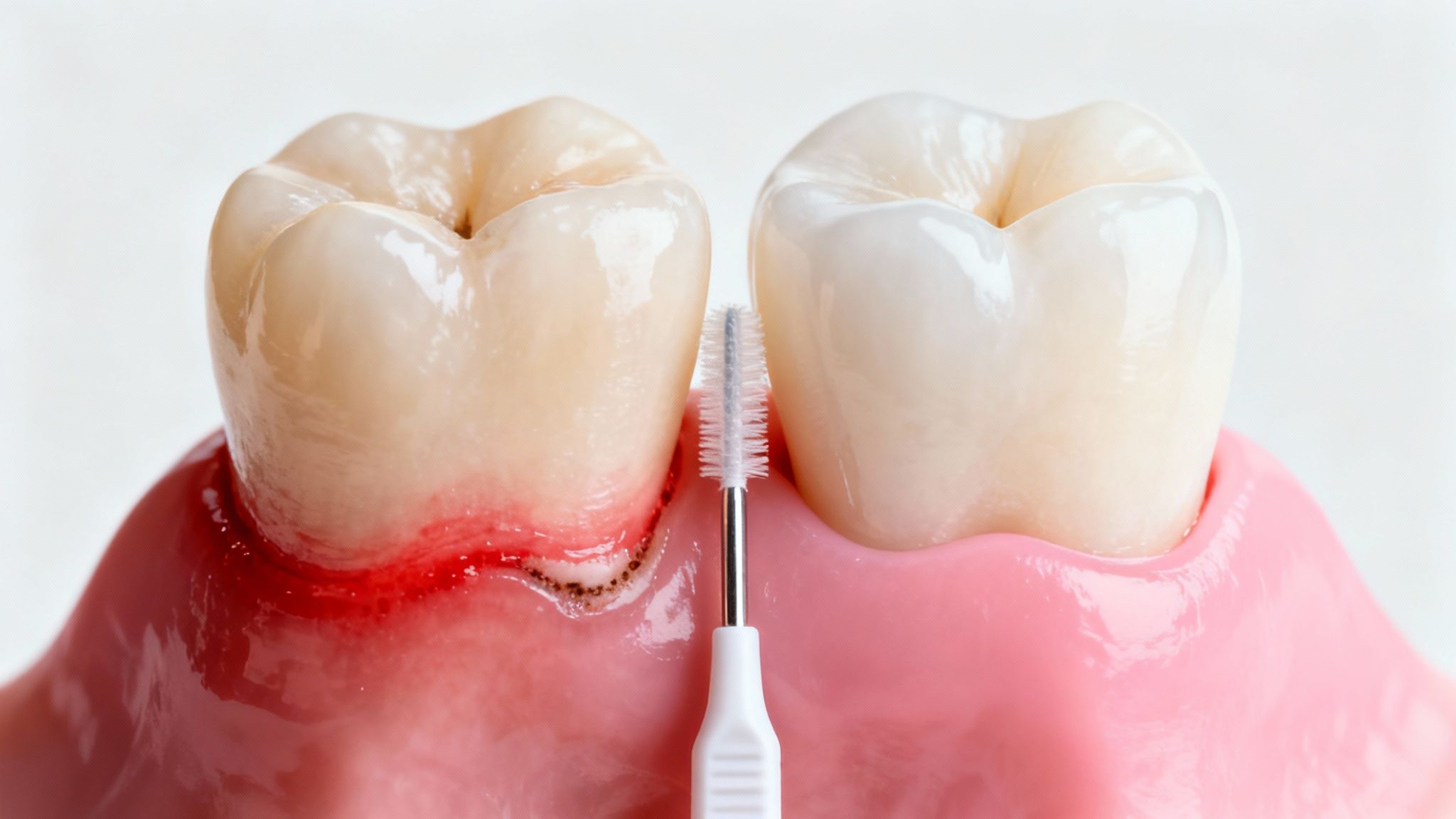
Persistent bad breath is often a red flag for gum disease, a bacterial infection affecting the gums and the bones that support your teeth. This condition ranges from gingivitis, a reversible inflammation of the gums, to periodontitis, a more severe and destructive form. As the infection progresses, bacteria create deep pockets between your teeth and gums, where they multiply and release foul-smelling volatile sulfur compounds. This ongoing infection is one of the most serious common causes of bad breath.
Actionable Tips to Combat Gum Disease
Effectively managing gum disease requires a combination of diligent home care and professional intervention. Many of our San Diego patients with early gingivitis have seen a complete reversal of their symptoms, including bad breath, after a professional cleaning and committing to a stricter oral hygiene routine.
- Upgrade Your Cleaning Tools: Use interdental brushes or a water flosser to clean effectively between teeth and below the gumline, disrupting bacterial colonies.
- Don't Ignore Bleeding Gums: If your gums bleed when you brush or floss, it's a primary sign of inflammation. Do not avoid the area; instead, clean it gently but thoroughly.
- Attend All Maintenance Appointments: If you're diagnosed with gum disease, regular periodontal maintenance cleanings are crucial to keep the infection under control.
- Avoid Smoking: Smoking dramatically worsens gum disease and hinders your body's ability to heal, making treatment less effective.
- Manage Systemic Health: Conditions like diabetes can exacerbate gum disease. Managing your overall health is key to managing your oral health.
When to See a Professional: If you notice swollen, red, or bleeding gums, persistent bad breath, or loose teeth, schedule a professional evaluation immediately. At Serena San Diego Dentist, we provide comprehensive periodontal exams to diagnose the stage of gum disease and create a tailored treatment plan, which may include scaling and root planing. We are proud to accept most PPO insurance plans and offer flexible payment options to ensure care is accessible.
3. Dry Mouth (Xerostomia)
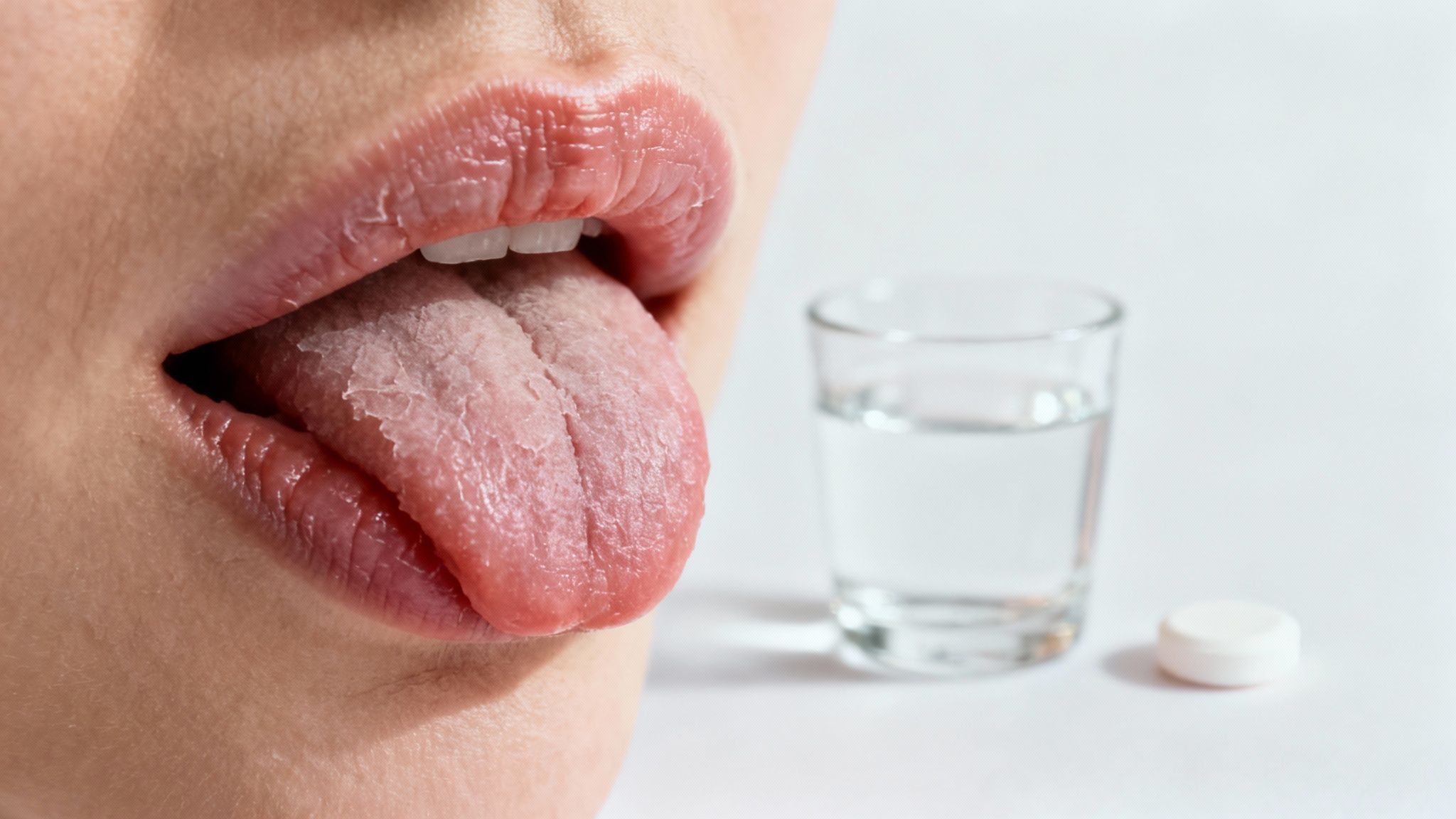
A lack of sufficient saliva, a condition known as xerostomia or dry mouth, is another major contributor to bad breath. Saliva is your mouth's natural cleaning agent; it washes away food particles, neutralizes acids produced by bacteria, and contains antimicrobial enzymes that keep odor-causing microbes in check. When saliva production decreases, this cleansing mechanism is impaired.
This creates an environment where anaerobic bacteria can multiply rapidly. These bacteria break down residual food particles and dead cells, releasing unpleasant-smelling volatile sulfur compounds (VSCs). This is why many people experience "morning breath," as saliva flow naturally slows down during sleep.
Actionable Tips for Managing Dry Mouth
Managing xerostomia is crucial for both oral comfort and fresh breath. At our La Jolla-area practice, we often help patients mitigate dry mouth symptoms through simple lifestyle changes, significantly improving their quality of life.
- Stay Hydrated: Drink plenty of water throughout the day, aiming for at least eight glasses.
- Stimulate Saliva: Use sugar-free lozenges or chewing gum, especially those containing xylitol, to encourage saliva production.
- Avoid Drying Agents: Limit or avoid caffeine, alcohol, and tobacco products, as they can all worsen dry mouth conditions.
- Use a Humidifier: Running a humidifier in your bedroom at night can help keep your mouth and nasal passages moist.
- Try Saliva Substitutes: Over-the-counter products like moisturizing oral sprays, rinses, or gels can provide temporary relief.
When to See a Professional: If you experience persistent dry mouth, it’s important to discuss it with us. The cause could be related to medications you’re taking or an underlying health condition. At Serena San Diego Dentist, we can review your medical history, recommend effective products, and explore other solutions.
4. Oral Thrush and Fungal Infections
Sometimes, bad breath isn't caused by leftover food but by an imbalance in your mouth's natural ecosystem. Oral thrush, an infection caused by an overgrowth of the fungus Candida albicans, is a prime example. This opportunistic infection can create a distinct yeasty or sour odor, often accompanied by creamy white patches on the tongue, inner cheeks, and gums.
This fungal overgrowth typically occurs when the delicate balance of oral bacteria is disrupted. Common triggers include recent antibiotic use, a weakened immune system, or even poorly maintained dentures. As the fungus proliferates, it causes inflammation and releases compounds that are another one of the common causes of bad breath, differing significantly from bacteria-related odors.
Actionable Tips for Fungal Control
Restoring your oral microbiome's balance is key to eliminating this type of bad breath. At our La Jolla-area clinic, we often guide patients through a combination of professional treatment and targeted home care to resolve the infection and prevent its return.
- Gentle but Thorough Cleaning: Continue brushing twice a day with a soft-bristled brush, but be gentle to avoid irritating inflamed tissues.
- Use a Salt Water Rinse: Rinsing your mouth with a warm salt water solution 2-3 times a day can help soothe inflammation and cleanse the area.
- Avoid Alcohol-Based Mouthwash: Alcohol can dry out the mouth and worsen the condition. Use an antifungal rinse if prescribed by your dentist instead.
- Limit Sugar and Yeast: Reduce your intake of sugar, refined carbohydrates, and yeast-containing foods, as these can fuel fungal growth.
- Clean Your Appliances: If you wear dentures or other oral appliances, ensure they are removed and cleaned thoroughly every single day.
When to See a Professional: Home remedies may help with mild cases, but a persistent fungal infection requires a professional diagnosis. At Serena San Diego Dentist, we can prescribe effective treatments like medicated rinses or tablets to eliminate the overgrowth and restore oral health. If you notice white patches or a persistent sour taste, schedule a consultation today.
5. Tonsillitis and Throat Infections
Beyond the teeth and gums, infections in the back of the throat are a frequent source of halitosis. When your tonsils, the two lymph nodes located at the rear of your throat, become infected with a virus or bacteria, it results in tonsillitis. This condition causes inflammation, swelling, and the production of pus and odorous debris.
As your body fights the infection, the bacteria and cellular debris can accumulate in the tonsillar crypts (the small pockets on the surface of your tonsils). This material, combined with the infection itself, releases potent volatile sulfur compounds, leading to a distinct and often severe bad breath that doesn't improve with brushing alone. This is why a persistent sore throat accompanied by bad breath is one of the common causes of bad breath that warrants medical attention.
Actionable Tips for Throat Health
Soothing the throat and managing the infection are key to eliminating this type of bad breath. We often see patients from Clairemont Mesa and La Jolla whose bacterial tonsillitis resolves quickly with antibiotic treatment, significantly improving their breath quality almost immediately.
- Gargle with Salt Water: Mix half a teaspoon of salt in a glass of warm water and gargle several times a day to reduce swelling and cleanse the area.
- Stay Hydrated: Drink plenty of warm liquids, such as herbal tea or broth, to soothe the throat and keep it moist.
- Use Medicated Lozenges: Choose throat lozenges with antiseptic or mild anesthetic properties to manage discomfort and reduce bacteria.
- Prioritize Rest: Allow your immune system to do its job by getting plenty of rest.
- Avoid Irritants: Steer clear of smoking and secondhand smoke, as they can severely aggravate throat infections.
When to See a Professional: If you have a persistent sore throat, fever, difficulty swallowing, or visible pus on your tonsils, it's crucial to see a physician promptly. You may require antibiotics to clear a bacterial infection. If breath issues linger after the infection has cleared, schedule a visit at Serena San Diego Dentist to ensure no related oral health problems have developed.
6. Gastroesophageal Reflux Disease (GERD)
Beyond your mouth, your digestive system can be a surprising source of halitosis, and Gastroesophageal Reflux Disease (GERD) is a prime example. This chronic condition occurs when stomach acid frequently flows back into the esophagus, sometimes reaching the mouth. This regurgitated acid carries a distinct sour, acidic odor that directly causes bad breath.
The impact of GERD, however, goes beyond just the smell of stomach contents. The acidic environment it creates in your mouth erodes tooth enamel and alters your oral microbiome, allowing odor-producing bacteria to flourish. Because GERD is a persistent medical issue, it often leads to chronic bad breath that oral hygiene alone cannot resolve, making it one of the more stubborn common causes of bad breath.
Actionable Tips for Managing GERD-Related Breath
Managing GERD requires a two-pronged approach: addressing the medical condition and protecting your oral health. Many of our La Jolla patients find that combining medical treatment with lifestyle changes significantly reduces both their reflux symptoms and the resulting bad breath.
- Modify Your Diet: Avoid common trigger foods like spicy or fatty meals, citrus, chocolate, and caffeine.
- Adjust Eating Habits: Eat smaller, more frequent meals. Avoid eating for at least 2-3 hours before lying down to give your stomach time to empty.
- Elevate Your Head: Use pillows or a wedge to elevate your head 6-8 inches while sleeping. This uses gravity to help keep stomach acid down.
- Neutralize After Reflux: If you experience a reflux episode, rinse your mouth thoroughly with water to neutralize the acid and protect your tooth enamel. While GERD is a chronic condition, other acute gastrointestinal issues can also temporarily affect your breath, influencing your overall oral health.
When to See a Professional: If you suspect GERD is causing your bad breath, it's crucial to consult both your primary care physician and your dentist. Your doctor can diagnose and recommend treatments. At Serena San Diego Dentist, we will monitor your enamel for signs of erosion and can suggest protective measures like fluoride treatments to safeguard your smile.
7. Nasal and Sinus Infections (Sinusitis and Rhinitis)
It's not just your mouth that can cause bad breath; your nasal passages and sinuses play a significant role. When you have a sinus or nasal infection, whether from a virus or bacteria, your body produces excess mucus to fight it off. This mucus can become thick and drain down the back of your throat, a condition known as postnasal drip.
This drainage carries bacteria and inflammatory cells directly into your mouth and throat. As these components break down, they release foul-smelling volatile sulfur compounds, leading to a distinct type of halitosis often described as smelling "like an infection." This is why a cold or sinus flare-up is frequently one of the most noticeable common causes of bad breath.
Actionable Tips for Managing Sinus-Related Breath
Addressing the underlying sinus issue is key to eliminating the related bad breath. At our San Diego dental clinic, we often coordinate with physicians to help patients manage both oral and sinus health, as the two are closely linked.
- Rinse and Repeat: Use a saline nasal rinse, like a neti pot or spray, once or twice daily to flush out mucus and bacteria.
- Keep it Humid: Use a humidifier, especially at night, to keep your nasal passages moist and help thin out mucus.
- Stay Hydrated: Drink plenty of water throughout the day to further thin mucus, making it easier for your body to clear.
- Elevate Your Head: Sleep with your head propped up on an extra pillow to encourage proper drainage and prevent mucus from pooling.
- Avoid Irritants: Steer clear of smoke and other environmental irritants that can worsen sinus inflammation.
When to See a Professional: If your sinus symptoms persist for more than 10 days, worsen, or are accompanied by a fever, it's time to see a physician. For your oral health, it’s crucial to maintain excellent hygiene during a sinus infection to prevent secondary issues. If you’re in the San Diego, Clairemont Mesa, or La Jolla area, the team at Serena San Diego Dentist can ensure your mouth stays healthy while you recover.
8. Tobacco and Smoking Use
The use of tobacco products, particularly smoking, is a significant and direct contributor to persistent bad breath. The chemicals found in cigarettes, cigars, and chewing tobacco not only leave a distinct, stale odor in the mouth but also create an ideal environment for odor-causing bacteria to multiply. This is because smoking severely reduces saliva flow, leading to dry mouth.
Tobacco use also damages gum tissue, compromises blood flow, and increases the risk of developing periodontal disease, a major source of chronic halitosis. The combination of chemical residue, dry mouth, and an increased risk of infection makes tobacco one of the most potent and damaging common causes of bad breath. The effects linger long after the cigarette is finished, staining teeth and trapping foul smells.
Actionable Tips for Quitting and Recovery
Quitting tobacco is the most effective step you can take to improve your breath and overall oral health. At our San Diego dental clinic, we have supported many patients through their smoking cessation journey, witnessing dramatic improvements in gum health and breath quality within just a few months.
- Seek Professional Guidance: Consult your physician or a tobacco cessation specialist to create a structured quit plan.
- Consider Quitting Aids: Discuss using FDA-approved nicotine replacement therapies like patches, gum, or lozenges with your doctor. Prescription medications can also be highly effective.
- Identify and Avoid Triggers: Recognize the situations or feelings that prompt you to smoke and develop alternative coping strategies.
- Build a Support System: Join a local or online support group. Sharing your experience can significantly increase your chances of success.
- Enhance Oral Hygiene: After quitting, be extra diligent with brushing, flossing, and tongue scraping to remove residual stains and bacteria.
When to See a Professional: The best time to see a dentist is right after you decide to quit. At Serena San Diego Dentist, we can perform a comprehensive examination to assess any damage to your gums and teeth, provide a thorough cleaning to remove tobacco stains, and support your oral health recovery. If you're ready to restore your smile's health and freshness, schedule a consultation at our Clairemont Mesa office.
9. Dietary Factors and Strong-Smelling Foods
What you eat has a direct and often immediate impact on your breath. Certain foods, particularly those rich in pungent oils and sulfur compounds like garlic, onions, and exotic spices, are notorious for causing temporary halitosis. After you digest these foods, their odorous components are absorbed into your bloodstream, carried to your lungs, and then exhaled every time you breathe.
This process explains why the scent can linger for hours, even after brushing and flossing. It’s not just about food particles left in your mouth; the smell is literally coming from inside your body until the food is fully metabolized. This is why dietary choices are one of the most noticeable common causes of bad breath, though thankfully, it's usually temporary and manageable.
Actionable Tips for Managing Food-Related Odors
While avoiding your favorite flavorful foods isn't necessary, strategic timing and a good post-meal routine can make a world of difference. At our San Diego dental practice, we advise patients that enjoying our city's diverse cuisine doesn't have to mean sacrificing fresh breath.
- Time It Right: Enjoy strong-smelling foods when you don’t have an important social or professional event immediately after.
- Rinse and Hydrate: Drink plenty of water during and after your meal to wash away food particles and stimulate saliva production.
- Chew Sugar-Free Gum: Opt for gum containing xylitol after a meal to increase saliva flow, which helps neutralize acids and wash away debris.
- Harness Nature's Fresheners: Chewing on fresh parsley or mint leaves can help temporarily mask odors due to their high chlorophyll content.
- Clean Thoroughly: After eating a pungent meal, make a point to brush, floss, and use a tongue scraper to remove as much residue as possible.
When to See a Professional: If your bad breath persists long after you've eaten aromatic foods and despite a strong hygiene routine, it may signal a different underlying issue. At Serena San Diego Dentist, we can help you distinguish between temporary dietary effects and chronic halitosis. For more tips on tackling specific culprits, you can learn how to get rid of garlic and onion breath.
10. Diabetes and Metabolic Disorders
Systemic health conditions, particularly uncontrolled diabetes, can be one of the more serious underlying common causes of bad breath. High blood sugar levels create a favorable environment for bacteria and fungi to multiply in your mouth, leading to oral infections and gum disease, which are primary sources of halitosis. An impaired immune response in diabetic patients makes fighting off these infections more difficult.
Furthermore, a specific metabolic state called diabetic ketoacidosis can produce a distinct, fruity-smelling breath due to the body burning fat for energy and producing chemicals called ketones. This is a serious condition requiring immediate medical attention, but its unique oral symptom highlights the deep connection between metabolic health and breath odor. This is why managing systemic diseases is crucial for oral wellness.
Actionable Tips for Integrated Health Management
Effectively managing diabetes is a collaborative effort between you, your endocrinologist, and your dentist. At our Clairemont Mesa-area clinic, we've seen diabetic patients achieve significant improvements in both oral health and glycemic control through integrated care.
- Maintain Blood Glucose Levels: Work closely with your medical doctor to keep your blood sugar within the target range. Regular monitoring and logging are essential.
- Prioritize Strict Oral Hygiene: Brush twice daily, floss every day without fail, and use an antiseptic mouthwash to control bacterial growth.
- Increase Dental Visits: We recommend diabetic patients visit Serena San Diego Dentist every three months, instead of the standard six, for proactive monitoring and cleanings.
- Stay Hydrated: Drink plenty of water to combat dry mouth, a common side effect of diabetes medications, and avoid sugary drinks that spike blood glucose.
- Report Symptoms Immediately: Contact your dentist right away if you notice any gum pain, swelling, sores, or changes in your mouth.
When to See a Professional: If you have diabetes, proactive dental care is non-negotiable. Periodontal disease can make it harder to control your blood sugar, creating a harmful cycle. At Serena San Diego Dentist, we specialize in providing comprehensive care for patients with systemic conditions. If you notice any changes in your breath, schedule an appointment with us and your primary care physician to investigate these common causes of bad breath.
Comparison of 10 Common Causes of Bad Breath
| Cause | Complexity 🔄 | Resources & Cost ⚡ | Expected Outcome ⭐ | Typical Impact 📊 | Key Tip 💡 |
|---|---|---|---|---|---|
| Poor Oral Hygiene and Plaque Buildup | Low — daily behavior change | Low — toothbrush, floss, occasional professional cleaning | ⭐ High — reversible within days–weeks | 📊 Major reduction in halitosis and plaque with compliance | Brush 2 min twice daily, floss, use tongue scraper |
| Gum Disease (Periodontal Disease) | Moderate–High — requires professional care | Moderate–High — scaling, possible surgery, ongoing maintenance | ⭐ Variable — gingivitis reversible; periodontitis may be permanent | 📊 Major contributor to chronic bad breath and tooth loss risk | See periodontist, stop smoking, use interdental brushes |
| Dry Mouth (Xerostomia) | Moderate — often medical evaluation needed | Low–Moderate — hydration, saliva substitutes, med review | ⭐ Moderate — symptoms controllable; underlying cause may persist | 📊 Increases caries, infections, and persistent odor risk | Hydrate, use sugar-free gum/lozenges and saliva substitutes |
| Oral Thrush and Fungal Infections | Low–Moderate — diagnosis and antifungal therapy | Low–Moderate — antifungals, denture care, hygiene | ⭐ High — rapid response to appropriate antifungal treatment | 📊 Localized yeasty odor; may recur if cause unresolved | Antifungal treatment, limit sugars, clean dentures frequently |
| Tonsillitis and Throat Infections | Moderate — ENT or medical management | Low–Moderate — supportive care or antibiotics; possible surgery | ⭐ Variable — viral self-limiting; bacterial treatable with antibiotics | 📊 Acute strong sulfurous odor; may persist during recovery | Gargle warm salt water, see physician for severe or febrile cases |
| Gastroesophageal Reflux Disease (GERD) | Moderate–High — chronic lifestyle + medical management | Moderate — lifestyle changes, meds, dental enamel care | ⭐ Moderate — symptoms manageable but often chronic | 📊 Persistent sour breath and enamel erosion if untreated | Avoid triggers, elevate head of bed, rinse after reflux episodes |
| Nasal and Sinus Infections (Sinusitis/Rhinitis) | Low–Moderate — often medical treatment | Low–Moderate — saline rinses, decongestants, antibiotics if bacterial | ⭐ Good — viral resolves; bacterial responds to antibiotics | 📊 Postnasal drip frequently causes foul breath during infection | Use saline irrigation, humidifier, seek care if >10 days or worse |
| Tobacco and Smoking Use | High — behavioral change difficult | Moderate–High — cessation programs, NRT, dental rehab | ⭐ High if quit — breath and oral health improve substantially | 📊 Chronic smoky odor and accelerated periodontal disease | Enroll in cessation support, consider NRT/medication and dental follow-up |
| Dietary Factors and Strong-Smelling Foods | Low — short-term behavioral adjustments | Low — timing changes, gum, water, dietary swaps | ⭐ High — temporary and reversible by avoiding triggers | 📊 Temporary exhaled odors; socially noticeable but not chronic | Avoid triggers before events, rinse, chew sugar-free xylitol gum |
| Diabetes and Metabolic Disorders | High — systemic medical management required | High — medical care, frequent dental visits, multidisciplinary care | ⭐ Variable — improves with glycemic control; some damage may persist | 📊 Fruity/acetone breath in ketoacidosis; higher infection risk | Optimize blood glucose, coordinate with medical team and dentist |
Your Next Step to Lasting Fresh Breath in San Diego
Navigating the landscape of oral health can feel complex, but understanding the common causes of bad breath is the most crucial step toward reclaiming your confidence and well-being. Throughout this guide, we've explored a wide spectrum of culprits, from straightforward issues like plaque buildup and dietary choices to more nuanced conditions such as dry mouth, GERD, and underlying metabolic disorders. The central theme is clear: halitosis is not just a surface-level inconvenience; it is often a direct signal from your body about your overall health.
The power to change this narrative is now in your hands. You are equipped with the knowledge to distinguish between temporary odor from a garlicky meal and the persistent signs of something more serious, like periodontal disease. This distinction is vital because it dictates your next course of action. Mastering your daily oral hygiene routine, staying hydrated, and making mindful dietary choices are your first line of defense and can resolve many of the issues we've discussed.
Key Takeaways for a Fresher Future
Let’s distill the most critical insights from our exploration:
- Oral Hygiene is Non-Negotiable: Brushing twice daily, flossing every single day, and cleaning your tongue are foundational. These simple habits are your most effective tools against the bacteria that cause plaque, gum disease, and bad breath.
- Your Mouth is a Health Barometer: Persistent bad breath, especially when accompanied by bleeding gums, a metallic taste, or a constantly dry mouth, should never be ignored. These symptoms are often early warnings for conditions like gum disease, infections, or even systemic issues like diabetes.
- Lifestyle Choices Have a Direct Impact: What you consume, from tobacco products to coffee and certain foods, directly influences your breath. Similarly, proper hydration is essential for saliva production, which is your body’s natural mouthwash.
- Professional Diagnosis is Essential for Complex Cases: While home care can solve many problems, it cannot address everything. If your efforts aren't yielding results, a professional evaluation is the only way to accurately diagnose and treat underlying causes like tonsil stones, advanced gum disease, or oral infections.
From Knowledge to Action: Your Path Forward
The true value of understanding these common causes of bad breath lies in empowerment. You are no longer guessing; you are making informed decisions. If you recognize your symptoms in our descriptions of gum disease or dry mouth, you know that waiting is not the answer. Proactive steps are essential to prevent minor issues from escalating into more severe health complications that can impact more than just your smile.
For residents of San Diego, Clairemont Mesa, and La Jolla, taking that next step is simple. At Serena San Diego Dentist, we see beyond the symptom of bad breath to uncover the root cause. Our patient-first philosophy means we listen to your concerns, use advanced diagnostic tools to get a complete picture of your oral health, and create a personalized treatment plan tailored to your specific needs. We believe in building trust and providing clear, educational guidance so you feel confident in your care. Whether it’s a deep cleaning to combat gum disease, treatment for an underlying infection, or cosmetic solutions to restore your smile’s brilliance, our team is here to support you. We proudly accept most PPO insurance plans and offer flexible payment options to ensure that exceptional dental care is accessible. Don't let uncertainty about bad breath control your social interactions or self-esteem any longer.
Ready to find a definitive solution and enjoy lasting fresh breath? The expert team at Serena San Diego Dentist specializes in comprehensive diagnostics to pinpoint the exact cause of halitosis and create an effective treatment plan just for you. Schedule your consultation today by visiting Serena San Diego Dentist and take the first step toward a healthier, more confident smile.