
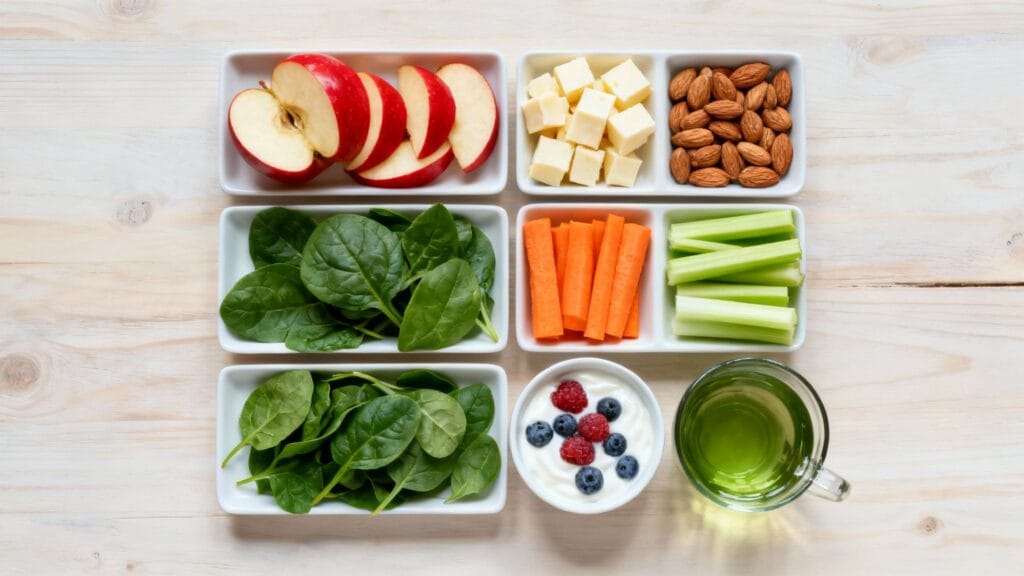
Tired of hearing about cavities and gum disease at every dental check-up? While brushing and flossing are the non-negotiable pillars of oral hygiene, the foods you consume play an equally critical role in building a strong, resilient smile. The right diet can actively fight plaque, strengthen tooth enamel, reduce harmful mouth bacteria, and even combat gum inflammation. This goes far beyond simply avoiding sugar; it’s about strategically adding powerful, tooth-friendly foods to your daily routine.
Forget generic advice. This guide dives deep into the science behind the 8 best foods for dental health, explaining not just what to eat, but precisely why each item works and how to effortlessly incorporate these smile-savers into your meals. Whether you're enjoying the sunshine in La Jolla or living in Clairemont Mesa, achieving a healthier smile starts on your plate. For residents throughout San Diego, this list provides a delicious and practical way to support the hard work you and your cosmetic dentist put into maintaining your oral wellness. Let's explore the simple, effective strategies for building a cavity-proof menu that keeps your teeth strong and your smile bright between dental visits.
1. Cheese
When considering the best foods for dental health, cheese often emerges as a surprising yet powerful contender. This dairy powerhouse does more than just please the palate; it actively works to protect and strengthen your teeth. Its primary benefit lies in its ability to combat acid, a major culprit in tooth decay. After you eat, particularly sugary or acidic foods, the pH level in your mouth drops, creating an environment where enamel can erode. Cheese helps neutralize this acid, raising the oral pH back to a safer level.
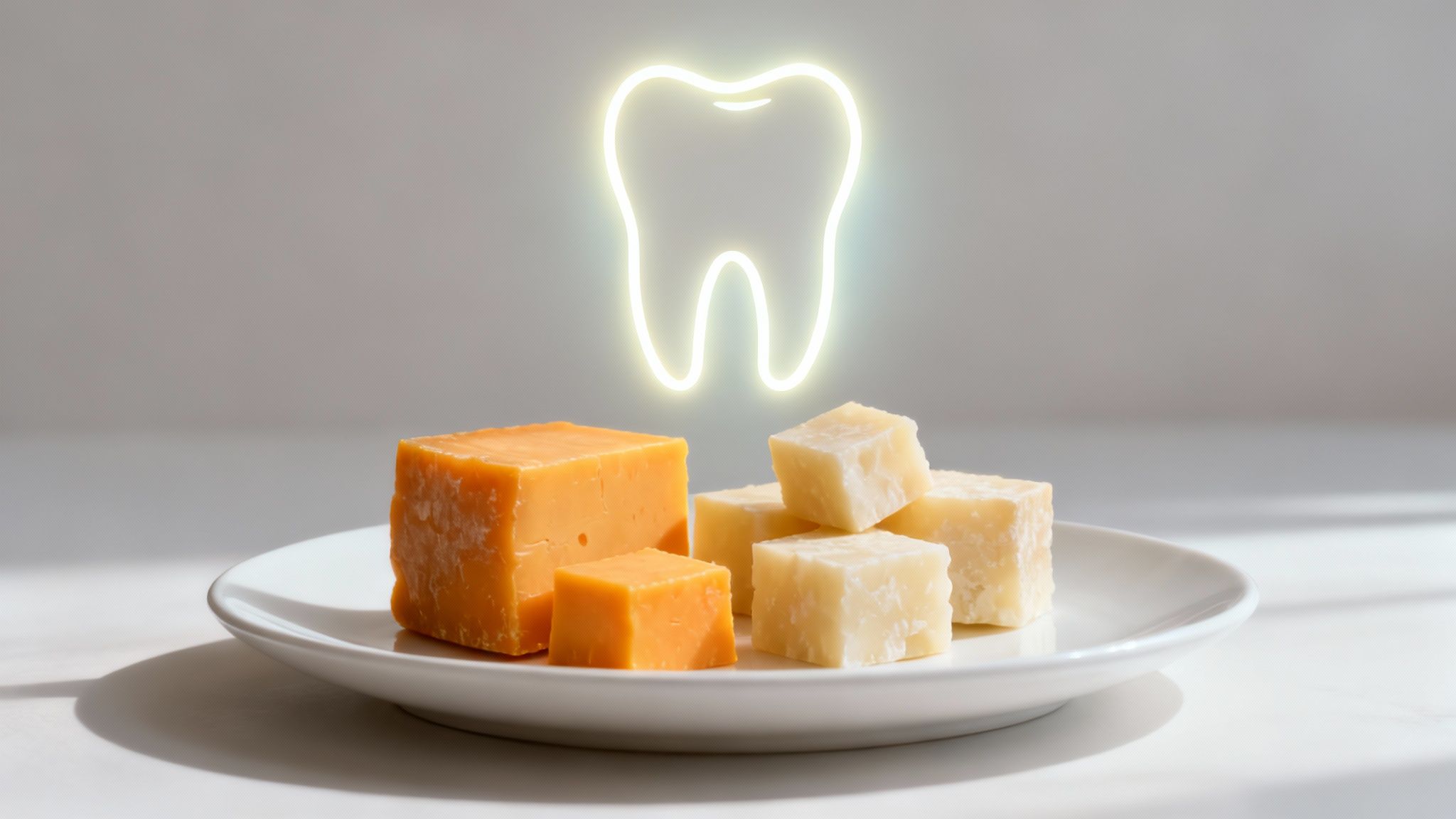
The magic behind this effect comes from several key components. Cheese is packed with calcium and phosphates, the very minerals your teeth are made of. These elements help to remineralize, or rebuild, tooth enamel that has been weakened by acid. Furthermore, a protein found in cheese called casein forms a protective film over the teeth, acting as a barrier against decay. This combination of acid neutralization and enamel fortification makes cheese a top-tier choice for oral wellness.
Practical Tips for Adding Cheese to Your Diet
Incorporating cheese for dental benefits is simple and effective. Here’s how people in San Diego can make it a part of their routine:
- Post-Meal Protector: Eat a small cube of hard, aged cheese like cheddar, Swiss, or Monterey Jack after a meal or snack. This is especially beneficial after consuming acidic items like citrus fruits or sugary drinks.
- Strategic Snacking: Keep portion-controlled cheese sticks or cubes handy for a quick afternoon snack. This can help curb cravings for less tooth-friendly options and stabilize your mouth's pH between meals.
- Balance Your Plate: When enjoying a fruit platter or a glass of wine, pair it with cheese. The cheese will help counteract the acidity of the fruit and wine, minimizing potential enamel erosion.
"Studies from the Academy of General Dentistry have shown that chewing cheese stimulates saliva flow. Saliva is the mouth's natural cleaning agent, helping to wash away food particles and neutralize harmful acids."
For residents of Clairemont Mesa or La Jolla looking for proactive dental care, adding cheese to your diet is a simple, delicious, and evidence-backed strategy. It's a method endorsed by organizations like the American Dental Association, proving that caring for your smile can be an enjoyable part of your daily life.
2. Crunchy Vegetables (Carrots, Celery, Broccoli)
Among the best foods for dental health, raw, crunchy vegetables like carrots, celery, and broccoli serve as nature's toothbrushes. Their firm, fibrous texture works mechanically to scrub plaque and food particles from tooth surfaces with every bite. This natural cleaning action is a simple yet highly effective way to maintain oral hygiene between brushing sessions. Chewing these vegetables also stimulates the gums, promoting healthy blood flow and tissue resilience.
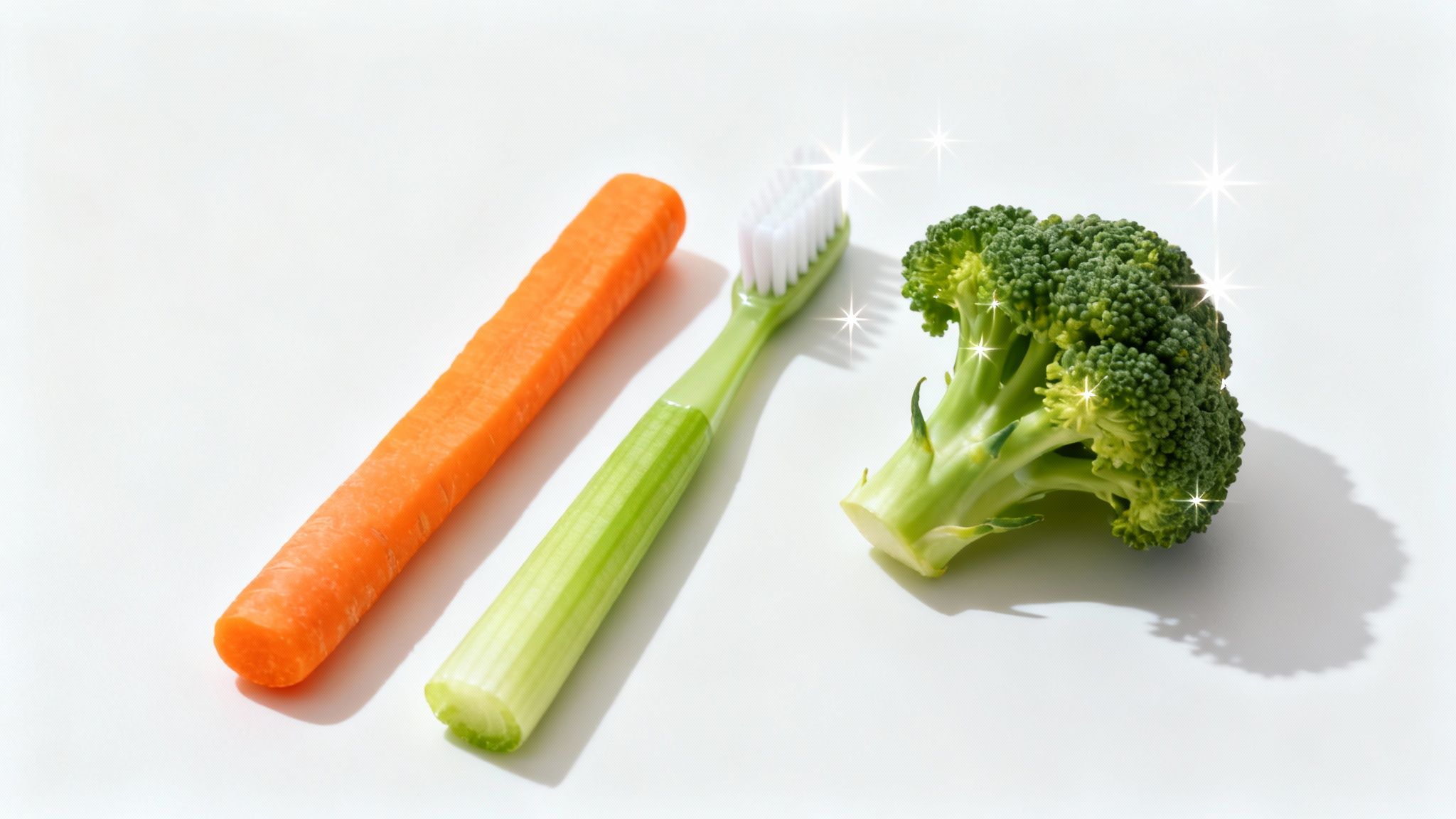
The dental benefits of these vegetables extend beyond their abrasive quality. Their high water content helps dilute sugars and rinse away debris, while the act of vigorous chewing significantly increases saliva production. Saliva is your mouth's primary defense mechanism, containing enzymes that break down food and minerals like calcium and phosphate that help rebuild tooth enamel. This dual-action cleaning and remineralizing process makes crunchy vegetables a cornerstone of a tooth-friendly diet, as advocated by experts like the American Dental Association.
Practical Tips for Adding Crunchy Vegetables to Your Diet
Incorporating these natural plaque-fighters into your daily routine is easy. Here’s how residents in San Diego can make it a consistent habit for better oral health:
- End-of-Meal Cleanse: Finish your lunch or dinner with a few carrot or celery sticks. This helps to clean your teeth naturally before you have a chance to brush.
- Accessible Snacking: Cut up a batch of carrots, celery, and broccoli at the beginning of the week. Store them in water in the fridge to keep them crisp and ready for a quick, healthy snack that benefits your smile.
- Smarter Dipping: Pair your raw veggies with tooth-friendly dips like hummus or a plain yogurt-based dip. This adds flavor and nutrients without introducing harmful sugars that can lead to cavities.
"The mechanical action of chewing fibrous vegetables is like a mini-brushing session. It not only removes plaque but also stimulates saliva, our body's natural rinse cycle, to neutralize acids and wash away bacteria."
For those in Clairemont Mesa and La Jolla seeking simple yet powerful ways to step up your oral hygiene routine, making crunchy vegetables a go-to snack is a smart, affordable strategy. It’s a delicious way to support the health of your teeth and gums every single day.
3. Leafy Greens (Spinach, Kale, Lettuce)
Leafy greens are nutritional powerhouses that stand as some of the best foods for dental health. Far more than just a base for salads, vegetables like spinach, kale, and lettuce are loaded with vitamins and minerals that directly fortify your teeth and gums. Their primary advantage comes from their high calcium content, which helps build and maintain strong tooth enamel. They also contain folic acid, a B vitamin that supports gum health.
The benefits extend deep into your oral structures. Leafy greens are rich in folic acid, a B vitamin that has been linked to healthier gums and a lower risk of periodontal disease. Additionally, their high concentration of vitamin K supports bone density in the jaw, providing a solid foundation for your teeth. The vitamin C found in many greens is also crucial for producing collagen, a key protein that keeps your gums firm and resilient against bacteria.
Practical Tips for Adding Leafy Greens to Your Diet
Making leafy greens a consistent part of your routine is easier than you think. Here are some simple ways for San Diego residents to boost their intake for better dental health:
- Blend into Smoothies: Add a handful of fresh spinach to your morning smoothie. The flavor is easily masked by fruit, and it’s a simple way to get a nutrient boost without dealing with the texture.
- Create Healthier Snacks: Bake kale with a little olive oil and sea salt to create crispy, tooth-friendly kale chips. This is a great alternative to starchy, sugary snacks.
- Incorporate into Every Meal: Aim to include leafy greens in at least two meals daily. Wilt spinach into your morning eggs, add romaine lettuce to your lunch sandwich, or serve dinner with a side of sautéed Swiss chard.
"A study from Boston University highlighted a direct correlation between regular spinach consumption and a notable reduction in gum bleeding. This underscores the potent role that nutrients in leafy greens play in combating inflammation and supporting periodontal health."
For anyone in San Diego, from Clairemont Mesa to La Jolla, looking to proactively improve their oral wellness, leafy greens are a non-negotiable part of a healthy diet. Embraced by dental nutrition experts, these vegetables offer a natural, delicious way to protect your smile from the inside out.
4. Apples
Often called "nature's toothbrush," apples are a fantastic food choice for maintaining excellent dental health. This crunchy fruit works mechanically to help clean your teeth as you eat. The firm, fibrous texture scrubs away plaque and food debris from tooth surfaces, while also stimulating your gums. This natural cleaning action makes apples one of the best foods for dental health, offering benefits that go beyond simple nutrition.
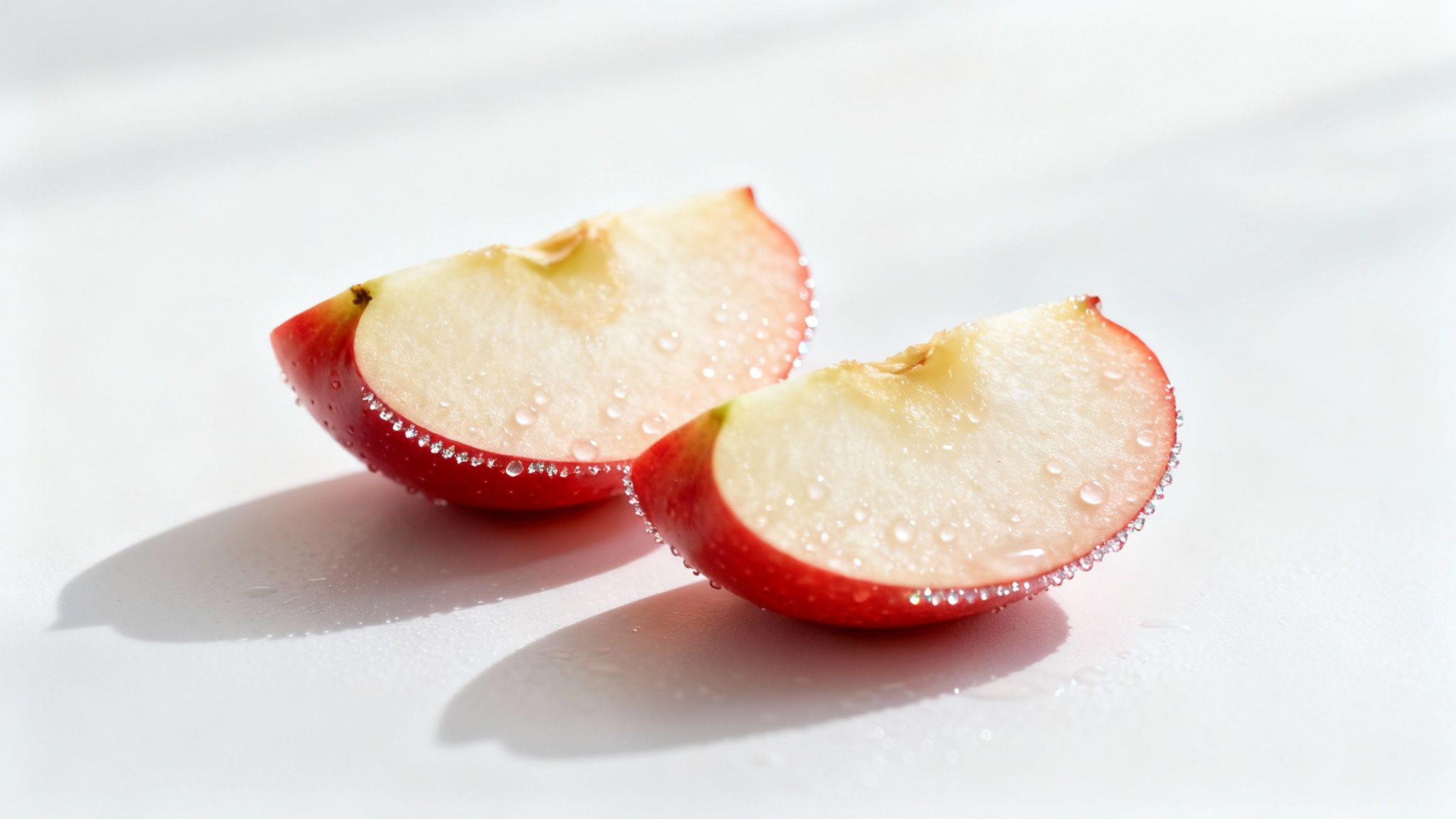
The benefits don't stop at their texture. Apples have a high water content which, when combined with the act of chewing, promotes saliva production. Increased saliva flow is crucial as it rinses away bacteria and food particles, helping to neutralize the oral environment. While apples do contain natural sugars and are acidic, their powerful cleaning properties and ability to generate saliva generally outweigh these factors when eaten in moderation as part of a balanced diet. You can learn more about how acidic foods can affect your teeth and how to manage them.
Practical Tips for Adding Apples to Your Diet
Making apples a regular part of your routine is an easy way for anyone in San Diego to boost their oral hygiene. Here are a few practical tips:
- As a Natural Mouthwash: Eat an apple at the end of a meal to help clean your teeth naturally, especially when you can't brush right away.
- Choose Crisp Varieties: Opt for firm, crisp apples like Fuji, Honeycrisp, or Granny Smith. Their denser texture provides the most effective cleaning action.
- Chew Thoroughly: Take your time chewing each bite. This maximizes the scrubbing effect and stimulates the most saliva production for a cleaner mouth.
- Rinse After Eating: Swish your mouth with water after finishing an apple to help wash away any lingering sugars and acids from the fruit.
"The American Dental Association often highlights apples in dental health campaigns. Their spokesperson, Dr. Matthew Messina, frequently advocates for their role in stimulating gums and increasing saliva flow, which are key to defending against cavities."
For those in Clairemont Mesa or La Jolla seeking simple, effective ways to care for their smiles between dental visits, incorporating an apple into your daily diet is a proven strategy. It’s a convenient, healthy, and delicious method for supporting long-term oral wellness.
5. Yogurt (Plain, Unsweetened)
As a staple in many health-conscious diets, plain, unsweetened yogurt stands out as a formidable ally in the quest for optimal dental health. This dairy product goes beyond being a simple source of calcium; its primary strength lies in its probiotic content. The beneficial bacteria, or "live and active cultures," in yogurt help to rebalance your oral microbiome by crowding out the harmful, acid-producing bacteria responsible for cavities and gum inflammation.
Like cheese, yogurt is rich in calcium and phosphates, essential minerals for rebuilding and strengthening tooth enamel. The protein casein is also present, forming a protective layer over your teeth to shield them from acid attacks. By promoting a healthier balance of oral bacteria and fortifying your teeth with vital minerals, yogurt actively contributes to a stronger, more resilient smile. Its slightly alkaline nature also helps neutralize damaging acids left behind after meals.
Practical Tips for Adding Yogurt to Your Diet
Making yogurt a regular part of your routine is an easy and delicious way to boost your oral wellness. Here’s how residents in San Diego can integrate it effectively:
- Choose Wisely: Always opt for plain, unsweetened yogurt. Flavored varieties are often loaded with sugar, which feeds the very bacteria you're trying to combat. Look for the "live and active cultures" seal to ensure you're getting the probiotic benefits.
- Morning Boost: Start your day with a bowl of yogurt. This helps establish a healthy oral environment early on. Mix in tooth-friendly additions like fresh berries, nuts, or seeds for flavor and texture.
- Post-Antibiotic Recovery: If you've recently taken antibiotics, which can disrupt your oral microbiome, consuming probiotic-rich yogurt can help restore a healthy balance of bacteria. Greek yogurt is an excellent choice due to its higher protein and calcium content.
"A landmark Japanese study found that daily consumption of yogurt was linked to a significant reduction in the markers for periodontal disease. The probiotics in yogurt are believed to reduce inflammation in the gums and inhibit the growth of pathogenic bacteria."
For those in Clairemont Mesa or La Jolla, incorporating yogurt is a proactive step toward maintaining healthy gums and strong teeth. It’s a strategy that complements the foundational care you receive during a professional dental cleaning, ensuring your at-home efforts support your in-office treatments. Learn more about the importance of routine oral hygiene on serenasandiegodentist.com to see how diet and professional care work together.
6. Almonds
When searching for the best foods for dental health, almonds stand out as a crunchy, nutrient-packed choice. These versatile nuts offer a host of benefits that go far beyond simple snacking, actively contributing to stronger teeth and healthier gums. Their primary advantage is their unique combination of minerals and texture. As a low-sugar, high-protein food, almonds don't contribute to the acid attacks that fuel cavities, making them a safe and satisfying option.
The dental benefits of almonds are rooted in their rich nutritional profile. They are an excellent source of calcium and phosphorus, two essential minerals that work together to build and maintain strong tooth enamel. Their fibrous, crunchy texture also acts as a natural scrub, helping to dislodge plaque and food particles from tooth surfaces with every chew. Furthermore, almonds are a good source of magnesium, a mineral vital for maintaining the health of both jawbones and gums, which provide the foundation for your teeth.
Practical Tips for Adding Almonds to Your Diet
Incorporating almonds into your daily routine is a simple way to boost your oral hygiene. Here are a few practical ideas for residents in San Diego to get started:
- The Perfect Snack: Keep a small container with a one-ounce serving (about 23 almonds) at your desk or in your bag. This provides a tooth-friendly alternative to sugary snacks that can curb hunger between meals.
- Boost Your Breakfast: Add sliced or slivered almonds to your morning oatmeal, yogurt, or cereal. This not only enhances flavor and texture but also starts your day with a dose of tooth-strengthening minerals.
- Smart Pairings: Combine almonds with other tooth-healthy foods like apple slices or celery sticks. The combined crunch provides a powerful mechanical cleaning action for your teeth.
"The California Almond Board has funded research highlighting the dental benefits of almonds. Their low sugar content and high concentration of calcium and protein make them a prime choice for preventing cavities and supporting overall oral structure."
Whether you live in Clairemont Mesa or La Jolla, adding almonds to your diet is a smart and easy strategy for maintaining a healthy smile. Almonds are recognized as a key component of a nutrition plan designed for optimal oral wellness.
7. Fatty Fish (Salmon, Mackerel, Sardines)
While leafy greens and dairy often take the spotlight, fatty fish like salmon, mackerel, and sardines offer a unique and powerful combination of nutrients essential for oral health. Their primary benefit comes from a high concentration of omega-3 fatty acids, which are renowned for their anti-inflammatory properties. This is crucial for combating gingivitis and periodontitis, as inflammation is a key driver of gum disease. By reducing inflammation in the gums, fatty fish help maintain the foundational support for your teeth.
Beyond omega-3s, these fish are one of the best natural sources of vitamin D. This vitamin plays a critical role in oral health by enabling your body to absorb calcium and phosphorus, two minerals that are fundamental to building and maintaining strong tooth enamel and jawbone density. Without adequate vitamin D, the calcium you consume from other sources can't be effectively utilized. This dual-action approach of fighting gum inflammation and reinforcing tooth structure makes fatty fish one of the best foods for comprehensive dental health.
Practical Tips for Adding Fatty Fish to Your Diet
Incorporating fatty fish into your meals is a smart strategy for anyone in San Diego looking to boost their oral wellness. Here are a few simple ways to do it:
- Aim for Two Servings: The American Heart Association recommends at least two servings of fatty fish per week. This consistency provides a steady supply of omega-3s and vitamin D for your teeth and gums.
- Embrace Canned Options: Don't overlook canned sardines or salmon. They are affordable, convenient, and often packed with their small, edible bones, providing an extra dose of calcium.
- Smart Cooking Methods: To preserve the delicate omega-3s, choose cooking methods like baking, poaching, or grilling instead of deep-frying. Add a squeeze of lemon for flavor and a bonus of gum-friendly vitamin C.
"A study from the Harvard School of Public Health found that regular intake of omega-3s from fish was linked to a significant reduction in the risk of periodontitis. This highlights a direct connection between diet and gum health."
For residents in Clairemont Mesa or La Jolla, adding fatty fish to your diet is a proactive measure against gum disease and enamel erosion. This dietary choice supports the work of your dental team, helping you build a resilient smile from the inside out.
8. Green and Black Tea
While many beverages are notorious for staining teeth or containing high sugar content, green and black tea stand out as excellent choices for promoting dental health. These popular drinks are rich in powerful compounds called polyphenols and catechins, which actively combat cavity-causing bacteria and reduce inflammation in gum tissue. Their natural antibacterial properties can inhibit the growth of harmful oral microbes, significantly reducing plaque formation and even helping to prevent bad breath.
The benefits don't stop there. Research has shown that black tea can reduce plaque buildup. The polyphenols in tea disrupt the bacteria's ability to stick to tooth surfaces and produce the acid that erodes enamel. Additionally, tea leaves are a natural source of fluoride, a mineral renowned for strengthening tooth enamel and making it more resistant to decay. To reap these rewards, however, it's crucial to consume the tea without added sugar or acidic lemon.
Practical Tips for Adding Tea to Your Diet
Making green and black tea a part of your daily routine is a simple way to boost your oral hygiene. Here’s how residents in San Diego can effectively incorporate it:
- Daily Dental Dose: Aim to drink 2-3 cups of unsweetened green or black tea daily to maximize its antibacterial and anti-inflammatory benefits.
- Proper Steeping: To extract the highest concentration of polyphenols, steep your tea for 3-5 minutes. Let it cool to a lukewarm temperature to protect your enamel from extreme heat.
- Rinse and Protect: Use tea as an antibacterial mouth rinse between brushings. After drinking, rinse your mouth with water or consider using a straw to minimize potential staining.
"The Japanese Dental Association has long recommended green tea, correlating its regular consumption with some of the world's lowest cavity rates. The catechins in green tea are particularly effective at killing the bacteria responsible for tooth decay and gum disease."
For anyone in Clairemont Mesa or La Jolla interested in fluoride's protective qualities, tea offers a natural dietary source. Embracing a simple cup of tea is an evidence-backed strategy for maintaining a healthier, stronger smile.
Top 8 Foods for Dental Health Comparison
| Item | Key Advantages ⭐ | Ideal Use Cases 💡 |
|---|---|---|
| Cheese | High in calcium & casein, raises mouth pH | After meals to neutralize acids, strategic snacking |
| Crunchy Vegetables | Natural scrubbing, low calorie, rich in vitamins | Between meals for natural cleaning, gum stimulation |
| Leafy Greens | High in calcium & vitamins, anti-inflammatory | Daily meals for a nutrient-dense diet |
| Apples | Fibrous texture, saliva stimulator | Snack replacement, on-the-go cleaning |
| Yogurt (Plain, Unsweetened) | Probiotics, calcium, inflammation reduction | Breakfast or snack for microbiome balance |
| Almonds | High in calcium & protein, low sugar | Portable snack, meal enhancement |
| Fatty Fish | Rich in Omega-3s & vitamin D | Regular meals to fight gum inflammation and support bone health |
| Green and Black Tea | Polyphenols, fluoride, plaque reduction | Daily drinking habit, oral rinse alternative |
Turn Your Plate into Your Partner in Oral Health
Integrating the right foods into your daily meals is one of the most proactive and effective strategies for maintaining excellent dental health. As we've explored, your diet is a powerful tool that works in tandem with your brushing and flossing routine. Moving beyond mere avoidance of sugary snacks, you can actively harness the nutritional power of specific foods to fortify your teeth, protect your gums, and cultivate a truly resilient smile that lasts a lifetime. The journey to optimal oral wellness is not about drastic restrictions; it is about making smart, consistent additions to your plate.
Key Takeaways for a Tooth-Friendly Diet
The foods detailed in this guide each play a unique and crucial role in your oral ecosystem. Let's recap the core principles:
- Enamel Fortification: Foods rich in calcium and phosphorus, like cheese, yogurt, almonds, and fatty fish, are the building blocks of strong enamel. They actively help to remineralize your teeth, repairing the microscopic weak spots caused by acid exposure.
- Natural Oral Cleansing: The fibrous, crunchy texture of foods like apples, carrots, and celery acts like a natural toothbrush. As you chew, they scrub away plaque and food particles, while also stimulating saliva production, your body’s primary defense against decay.
- Gum Health and Inflammation Reduction: Nutrients found in leafy greens (Vitamin C) and fatty fish (Omega-3s) are essential for healthy gum tissue and fighting inflammation, a key factor in periodontal disease. Likewise, the polyphenols in green and black tea help to suppress harmful oral bacteria.
Embracing these principles means you are not just eating; you are actively investing in your dental future. A diet rich in these best foods for dental health doesn't just prevent cavities; it contributes to stronger teeth, healthier gums, and even fresher breath.
Your Next Steps Toward a Healthier Smile
Transforming your diet can feel daunting, but starting small is the key to long-term success. Begin by choosing one or two items from this list to incorporate into your weekly routine. Swap a sugary afternoon snack for a handful of almonds, add spinach to your morning smoothie, or enjoy a piece of cheese after a meal to help neutralize acids.
Remember, a brilliant smile, especially one here in sunny San Diego, is a reflection of overall well-being. At Serena San Diego Dentist, we champion a holistic approach that pairs our expert clinical care with personalized patient education. While these nutritional powerhouses are fantastic for maintaining your natural teeth and protecting cosmetic work like veneers and crowns, they are most effective as part of a comprehensive oral health strategy. This strategy must include regular professional cleanings and check-ups to address issues that diet alone cannot.
Our team, serving the Clairemont Mesa, La Jolla, and greater San Diego communities, is here to guide you. We can provide tailored advice on how your diet can support your unique dental needs. We proudly accept most major PPO insurance plans and provide transparent, flexible out-of-pocket payment options to ensure that world-class dental care is always within reach. By pairing smart dietary choices with expert professional care, you create an unbeatable defense for your smile.
Ready to align your diet with professional dental care for a truly radiant smile? Schedule a consultation at Serena San Diego Dentist today. Let us help you build a comprehensive plan that protects your teeth from the inside out and keeps you smiling confidently for years to come.